Sales Tax vs. Use Tax: What Businesses Need to Know
When it comes to state taxes, many businesses are familiar with sales tax but often overlook use tax. While the two are closely related, misunderstanding the difference can lead to unexpected compliance issues and possibly penalties and audits. Understanding how each tax works is essential for businesses that buy, sell, or use taxable goods and services.
What Is Sales Tax?
Sales tax is a tax imposed on the sale of taxable goods and services. It is typically collected by the seller at the point of sale and remitted to the state or local taxing authority.
For example, when a retailer sells office furniture to a customer in California, the retailer charges sales tax on the transaction and sends that tax to the state.
Key Features of Sales Tax
Collected by the seller
Paid by the customer
Applied at the time of purchase
Commonly charged on retail sales of tangible personal property
Businesses that make taxable sales are generally required to:
Register for a sales tax permit
Collect the correct amount of tax
File sales tax returns
Remit collected taxes on time
What Is Use Tax?
Use tax complements sales tax. It applies when sales tax was not collected on a taxable purchase, but the item is still used, stored, or consumed in a state where tax is due.
In simple terms, if you purchase a taxable item without paying sales tax, you may owe use tax directly to the state. This is why proactive tax compliance planning matters for every business.
Common Use Tax Scenarios
Businesses often trigger use tax obligations when they:
Purchase equipment online from an out-of-state vendor
Buy items from sellers who do not collect sales tax
Withdraw inventory for internal business use
Purchase software, supplies, or furniture tax-free for use in their home state
For example, if a California business purchases machinery from an Oregon supplier that does not charge California sales tax, the California business may owe California use tax on that purchase. For a broader overview, you can also refer to the IRS guidance on sales and use tax for businesses.
The Main Difference Between Sales Tax and Use Tax
The primary distinction comes down to who remits the tax.
Sales Tax
Use Tax
Collected by the seller
Self-assessed by the buyer
Charged at the point of sale
Paid after purchase if tax was not collected
Common in retail transactions
Common in out-of-state or untaxed purchases
Seller remits to the state
Buyer remits directly to the state
Why Use Tax Is Often Overlooked
Many businesses mistakenly assume that if a vendor does not charge sales tax, no tax is due. However, states are increasingly enforcing use tax compliance, especially as interstate e-commerce continues to grow.
State tax agencies routinely identify unpaid use tax during audits by reviewing:
Fixed asset purchases
Vendor invoices
Expense accounts
Accounts payable records
Failure to report use tax can result in interest charges, penalties, and increased audit exposure.
Interest charges
Penalties
Additional audit exposure
Staying Compliant
To reduce risk, businesses should implement processes to identify untaxed purchases and properly accrue use tax at the time of purchase.
Best Practices Include:
Reviewing vendor invoices regularly
Tracking out-of-state purchases
Training accounting staff on use tax rules
Automating tax calculations when possible
Performing periodic sales and use tax reviews
Businesses operating in multiple states should also monitor nexus rules and changing tax laws, as requirements vary by jurisdiction. Learn more about staying ahead of regulations as a contractor.
Sales tax and use tax are two sides of the same coin. While sales tax is collected by sellers during a transaction, use tax ensures states still receive tax revenue when sales tax is not charged.
For businesses, understanding both taxes is critical to avoiding potential, and sometimes costly compliance issues. A proactive approach to sales and use tax management can help minimize audit risk and encourage accurate reporting.
If you need assistance with sales and use tax compliance, we are happy to help you navigate complex state requirements and stay ahead of changing regulations.
~ the addtech crew
*The information provided in this blog post is for general informational purposes only and does not constitute accounting, tax, financial, or legal advice. It is not intended as a substitute for professional consultation tailored to your specific circumstances.*
Accounting Software for Contractors Contractors have accounting needs that go beyond simply tracking income and expenses. Between job costs, subcontractors, payroll, materials, change orders, and multiple projects happening at once,…
Strengthen your construction company with financial controls for builders. Learn governance best practices to prevent fraud and improve accountability.
In today’s competitive business environment, managing job costs effectively is one of the most important factors in maintaining profitability. Whether you are a contractor, construction company, or specialty trade business,…
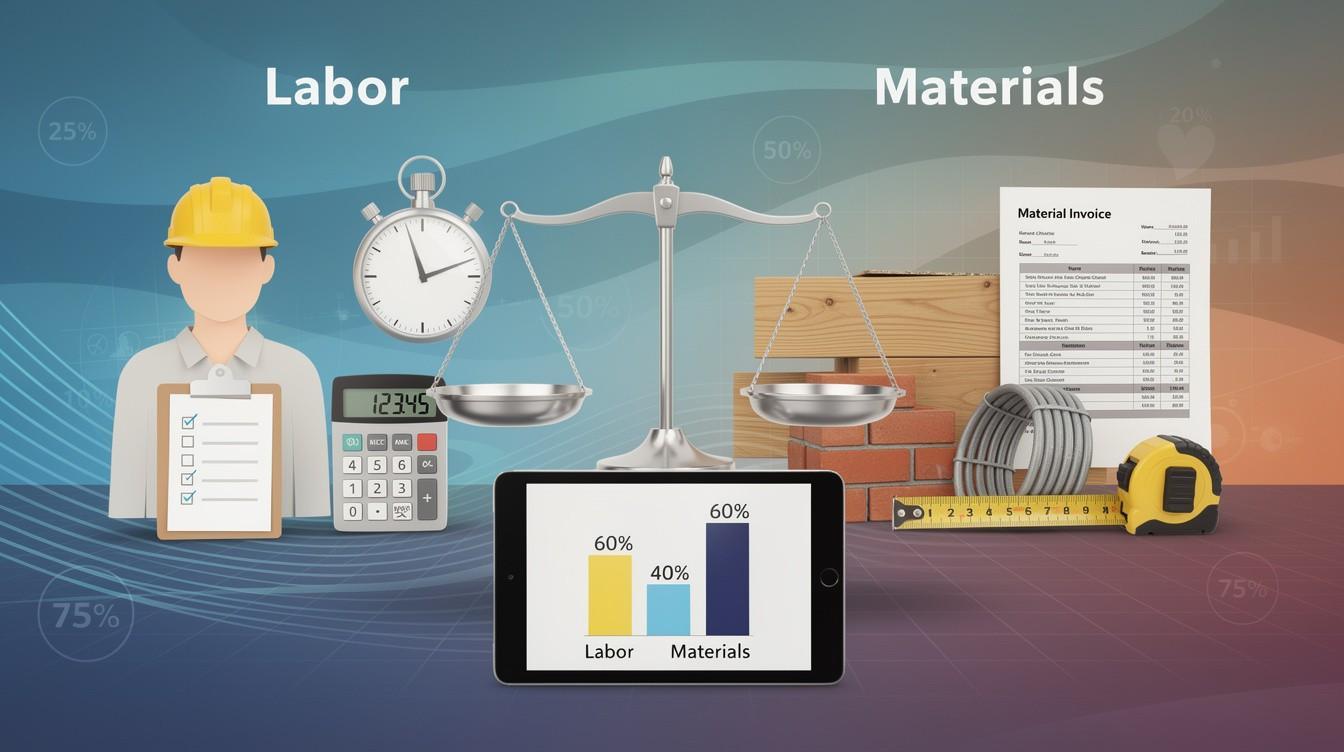
Manage labor vs material costs effectively with strategies to control your biggest project expenses and boost profitability.
ready to run your business with the same confidence you have on the job site?
at adding technology, we know you want to focus on what you do best as a contractor. in order to do that, you need a proactive back office crew who has financial expertise in your industry.
the problem is that managing and understanding key financial compliance details for your business is a distraction when you want to spend your time focused on building your business (and our collective future).
our vision is a future where every contractor has the financial stability, tools and knowledge to grow their business with confidence so that they can focus on building projects in our communities.
Ready to run your business with the same confidence you have on the job site?
At adding technology, we know you want to focus on what you do best as a contractor. In order to do that, you need a proactive back office crew who has financial expertise in your industry.
The problem is that managing and understanding key financial compliance details for your business is a distraction when you want to spend your time focused on building your business (and our collective future).
We understand that there is an art to what contractors do, and financial worries can disrupt the creative process and quality of work. We know that many contractors struggle with messy books, lack of realtime financial visibility, and the stress of compliance issues. These challenges can lead to frustration, overwhelm, and fear that distracts from their core business.
That's where we come in. We're not just accountants; we're part of your crew. We renovate your books, implement cutting-edge technology, and provide you with the real-time job costing and financial insights you need to make informed decisions. Our services are designed to give you peace of mind, allowing you to focus on what you do best - creating and building.
Here’s how we do it:
Schedule a conversation. Let’s break ground on your financial renovation.
We work through an assessment together that leads to a plan based on your specific needs. Then, we execute, and you have the opportunity to evaluate us on progress from day 1.