Financial Controls for Builders: Strengthening Governance
Strengthen your construction company with financial controls for builders. Learn governance best practices to prevent fraud and improve accountability.

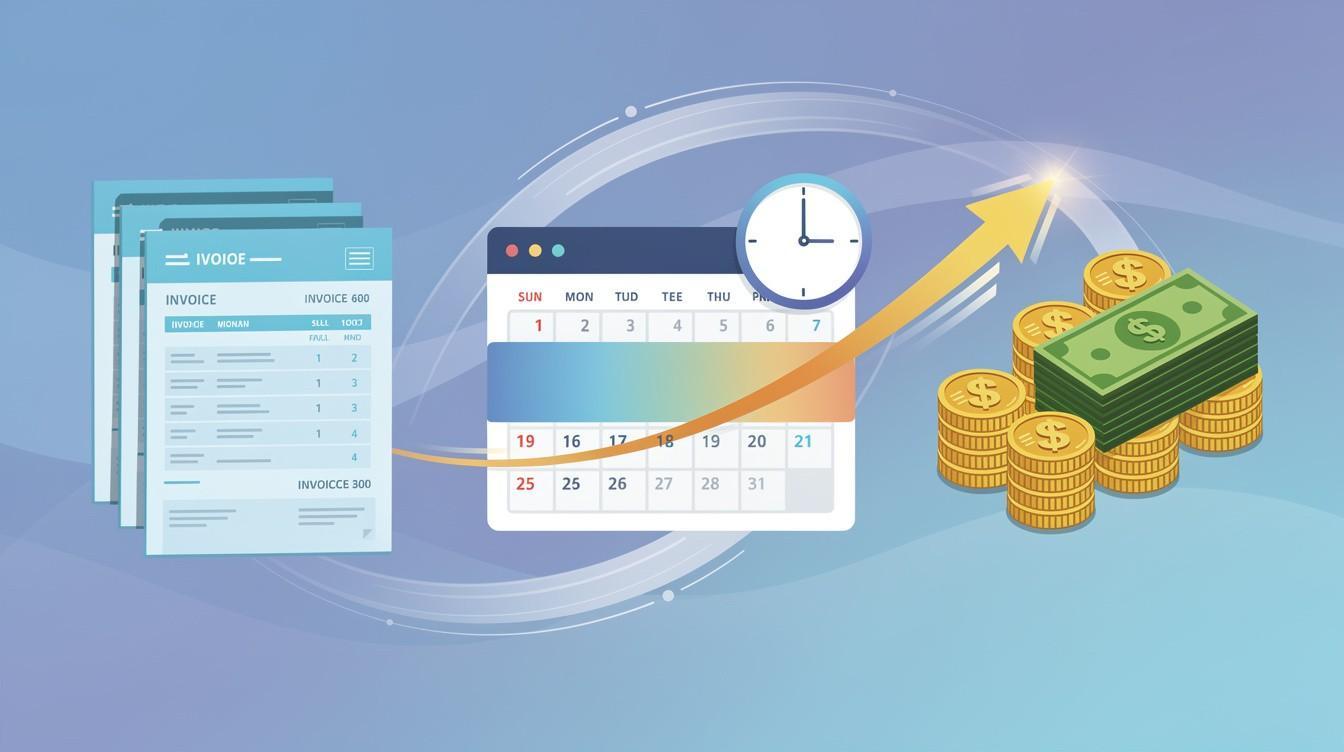
Construction contractors lose thousands every month to slow billing cycles. When invoices lag behind work completion, cash flow suffers-and so does your ability to pay crews and suppliers on time.
At adding technology, we’ve seen firsthand how billing cycle optimization transforms contractor finances. The fix isn’t complicated: streamline your invoicing process, and watch your cash flow improve almost immediately.
Construction payment structures force you into a cash flow disadvantage from day one. Unlike retail or service businesses that invoice immediately after delivery, construction projects operate on progress billing cycles that stretch payments across months or years. Most projects withhold 5 to 10 percent as retainage until completion, meaning you finance the owner’s project while waiting for final payment.

State lien laws add another layer of complexity, requiring specific documentation and timelines that vary by jurisdiction. Miss a single requirement, and you lose your right to collect or file a lien.
The AIA G702 Application and Certificate for Payment has become the industry standard, but many contractors still don’t know what must be included to avoid rejection and payment delays. This isn’t just paperwork-it’s the difference between paying your crews on time and scrambling for working capital. Construction-specific accounting software that pulls real-time job cost data eliminates manual delays and keeps billing aligned with actual work completed, ensuring you invoice the moment you’ve earned the revenue.
Slow invoicing directly erodes your profitability and forces you to absorb costs that should pass to the owner. Research shows that Days Sales Outstanding over 60 days means money sits in accounts receivable for two months or longer. For contractors operating on thin margins, a 60-day collection cycle means taking loans to cover payroll and material costs. Manual invoice creation and data entry introduce errors that trigger payment holds, rejections, and disputes.
Fort Point IT, a technology services contractor, reduced overdue payments by 65 percent after automating their billing process and bringing past-due receivables below 5 percent. That result demonstrates what becomes possible when you eliminate manual bottlenecks. When you delay invoicing until project completion, you’ve already paid your crew and suppliers weeks or months earlier.
Progress billing-invoicing as work reaches defined milestones-changes everything. The Schedule of Values becomes your cash flow blueprint; structure it strategically to front-load lower-cost items and capture overhead and profit earlier in the project timeline. This approach lets you collect payment before you’ve fully depleted your working capital, transforming how you manage cash throughout the project lifecycle. The next section shows you exactly how to build these systems into your operation.
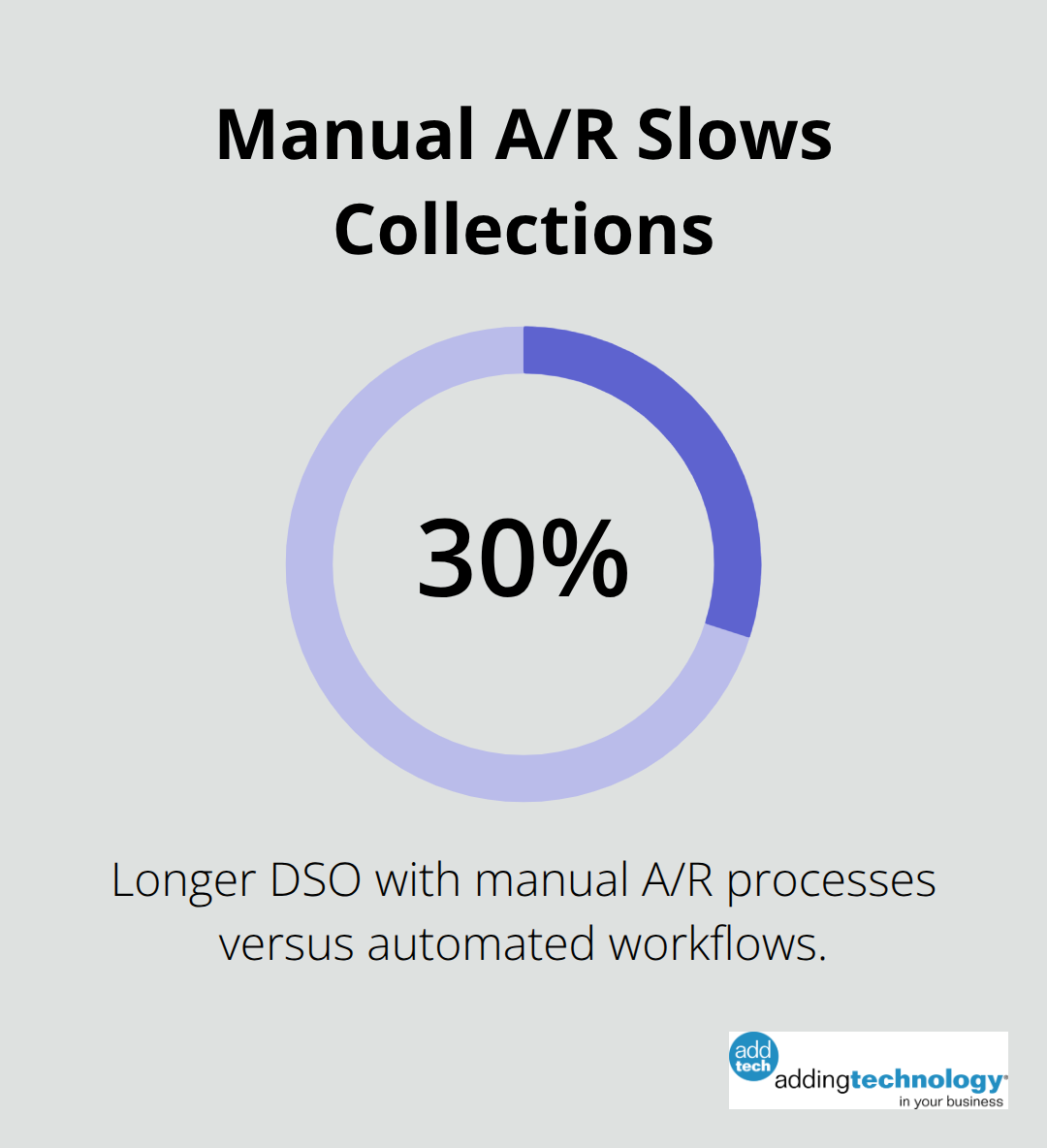
Manual data entry remains the silent killer of contractor cash flow. You pull time sheets from one system, material costs from another, and subcontractor invoices from a third-errors multiply fast. A single mismatched cost code or forgotten expense triggers invoice rejection, payment delay, and hours spent explaining discrepancies instead of collecting money. PYMNTS research found that manual accounts receivable processes result in Days Sales Outstanding roughly 30 percent longer than automated workflows. That gap isn’t minor-it’s the difference between meeting payroll and scrambling for a line of credit.
The AIA G702 standard requires specific line items and supporting documentation. When you assemble this from scattered spreadsheets, compliance gaps happen. State lien law requirements compound the problem. Each state enforces different documentation deadlines, notice requirements, and invoice specifications to preserve lien rights. Miss a deadline in one state, and you lose your ability to file a lien on that project entirely. Managing invoicing manually across multiple jurisdictions makes missing one requirement inevitable.
Waiting until project completion to invoice is worse than slow invoicing-it’s financial self-sabotage. You’ve already paid your crews and suppliers weeks or months before you send an invoice, meaning you finance the owner’s project with your own working capital. Construction projects using progress billing can invoice at defined milestones, yet many contractors still batch invoicing at the end, leaving cash stranded in accounts receivable.
Real-time job costing systems that automatically generate invoices from your project data eliminate these delays entirely. When your accounting software pulls actual labor hours and material costs directly from your job site data, you invoice the moment work is completed and documented. This approach cuts the time between work completion and payment approval from days down to hours.
Fort Point IT achieved exactly this transformation-they reduced overdue payments by 65 percent and brought past-due receivables below 5 percent after automating their billing process. Construction-specific accounting software that integrates with your project management tools becomes the single source of truth, removing data entry errors and compliance gaps simultaneously.
The tools exist to solve this problem. Your billing process either uses them or it doesn’t. When you move from manual invoicing to automated systems that pull real-time project data, you shift from reactive billing to proactive cash collection. Your next step involves identifying which specific bottlenecks cost you the most time and money-and that’s where streamlining your process begins.
The difference between contractors who struggle with cash flow and those who don’t comes down to one thing: when they invoice. Contractors who move from invoicing at project completion to invoicing as work progresses see dramatic results. Construction-specific accounting software that pulls real-time job cost data transforms invoicing from a monthly scramble into an automated process that runs continuously. Start by connecting your time tracking, material purchases, and subcontractor invoices to a single platform that feeds directly into your accounting system. When your crew logs hours on a job site, that data flows into job costing. When materials arrive, the invoice gets captured automatically. When a subcontractor submits their bill, it gets categorized by project and cost code. This real-time visibility means you know exactly what you’ve earned and what you’re owed the moment work is completed.
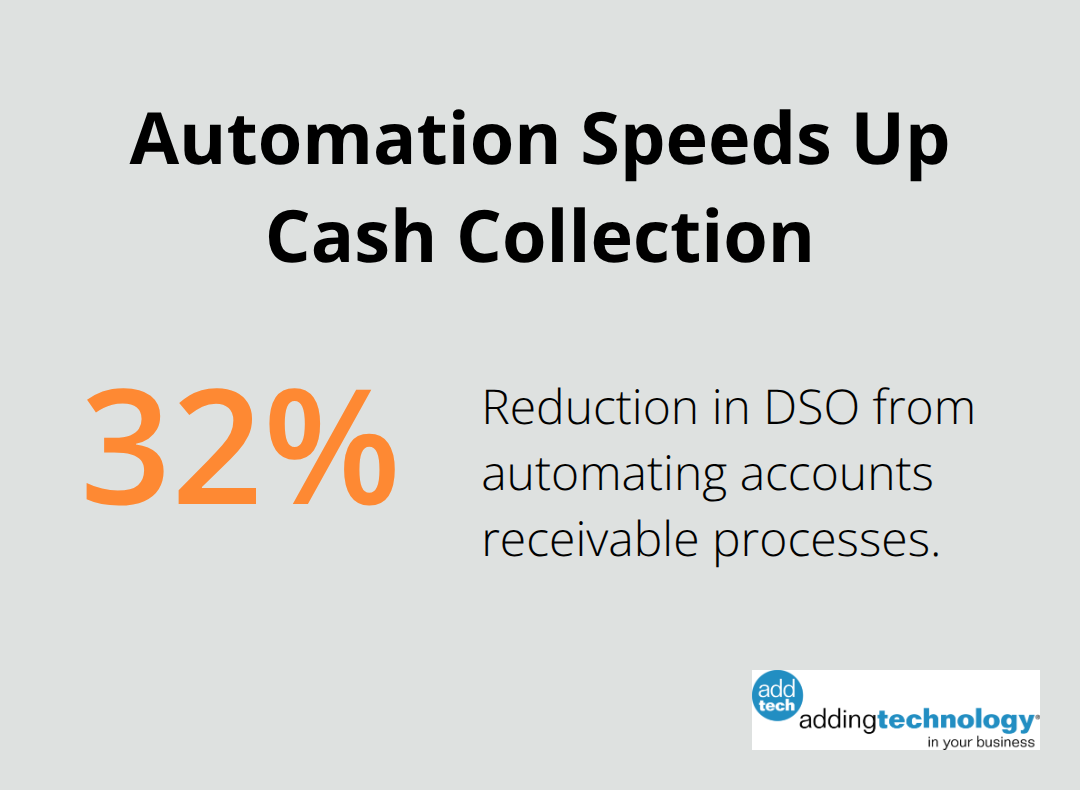
Progress billing requires you to structure your Schedule of Values strategically before the project starts. Front-load lower-cost line items in early phases so you capture cash faster, even if the bulk of the work happens later. Research from PYMNTS shows that automating accounts receivable processes can reduce Days Sales Outstanding by 32 percent, which translates to weeks of faster cash collection on every project. Set invoice submission dates that align with your project milestones, not your accounting calendar.
If your crew completes framing work on the 15th, your invoice should go out on the 16th, not wait until the end of the month.
Construction-specific software like QuickBooks Online and Xero (when integrated with your project management tools) eliminate the manual work of pulling data from multiple sources. The AIA G702 standard requires specific documentation, but modern accounting systems auto-populate these fields from your job cost data, reducing errors and rejection rates. When you move from manual invoice creation to automated generation, you also eliminate compliance gaps because the system enforces your state’s lien law requirements automatically (something that manual processes consistently fail to do). Your accounts receivable improves not because you’re more aggressive in collections, but because invoices arrive faster and payment approvals happen on schedule instead of after weeks of back-and-forth over missing documentation.
Billing cycle optimization separates contractors who struggle with cash flow from those who consistently pay crews on time and grow profitably. The data proves it: automating your invoicing process reduces Days Sales Outstanding by weeks, eliminates compliance errors that trigger payment holds, and transforms how quickly cash flows back into your business. Fort Point IT cut overdue payments by 65 percent and brought past-due receivables below 5 percent after automating their billing process, demonstrating what happens when you connect job costing data to invoicing and let technology handle repetitive work.
Construction-specific accounting software integrates with your project management systems, pulls real-time job cost data, and generates compliant invoices automatically (something manual processes consistently fail to do). Your Schedule of Values becomes a strategic cash flow tool instead of a compliance checkbox. Progress billing happens on schedule instead of whenever someone remembers to create an invoice.
Starting today doesn’t require overhauling your entire operation-it means identifying your biggest bottleneck and implementing one system that solves it. Adding Technology specializes in streamlining financial processes and implementing real-time job costing that transforms how you invoice and collect payment.








At adding technology, we know you want to focus on what you do best as a contractor. In order to do that, you need a proactive back office crew who has financial expertise in your industry.
The problem is that managing and understanding key financial compliance details for your business is a distraction when you want to spend your time focused on building your business (and our collective future).
We understand that there is an art to what contractors do, and financial worries can disrupt the creative process and quality of work. We know that many contractors struggle with messy books, lack of realtime financial visibility, and the stress of compliance issues. These challenges can lead to frustration, overwhelm, and fear that distracts from their core business.
That's where we come in. We're not just accountants; we're part of your crew. We renovate your books, implement cutting-edge technology, and provide you with the real-time job costing and financial insights you need to make informed decisions. Our services are designed to give you peace of mind, allowing you to focus on what you do best - creating and building.
Here’s how we do it:
Schedule a conversation today, and in the meantime, download the Contractor’s Blueprint for Financial Success: A Step by-Step Guide to Maximizing Profits in Construction.” So you can stop worrying about accounting, technology, and compliance details and be free to hammer out success in the field.