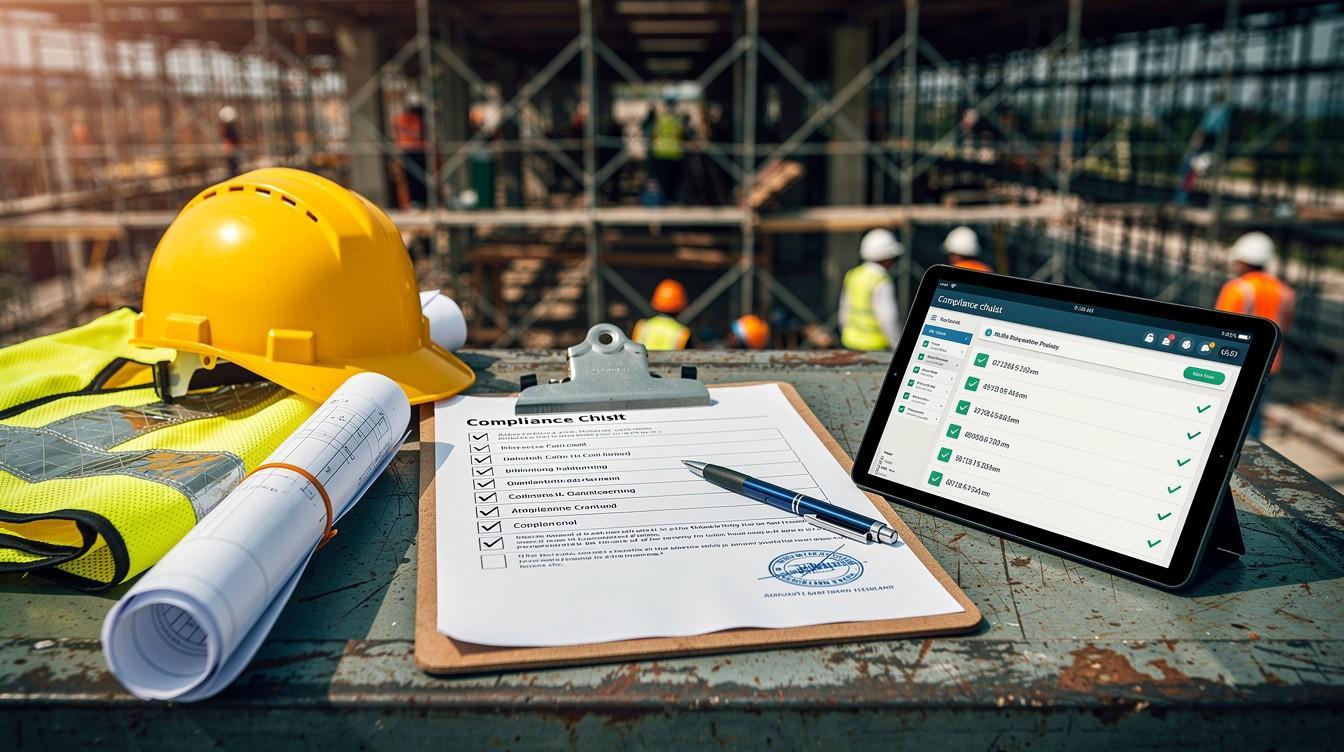
Construction companies lose thousands every year to cost overruns, weak approval processes, and poor visibility into project profitability. Financial controls for builders aren’t optional-they’re the backbone of a sustainable business.
At adding technology, we’ve seen firsthand how contractors who implement strong financial controls reduce project losses, gain lender confidence, and actually know whether their jobs are making money. This post walks you through the controls that matter most.
Why Financial Controls Matter
Cost overruns in construction happen fast. A subcontractor invoice arrives higher than expected, a change order gets approved without proper documentation, or labor costs drift upward week after week. Without financial controls in place, these issues compound quietly until year-end when you realize a project you thought was profitable actually lost money. The pattern is clear: contractors without robust controls don’t know their true job profitability until it’s too late to act.
Cost Overruns Spiral Without Real-Time Visibility
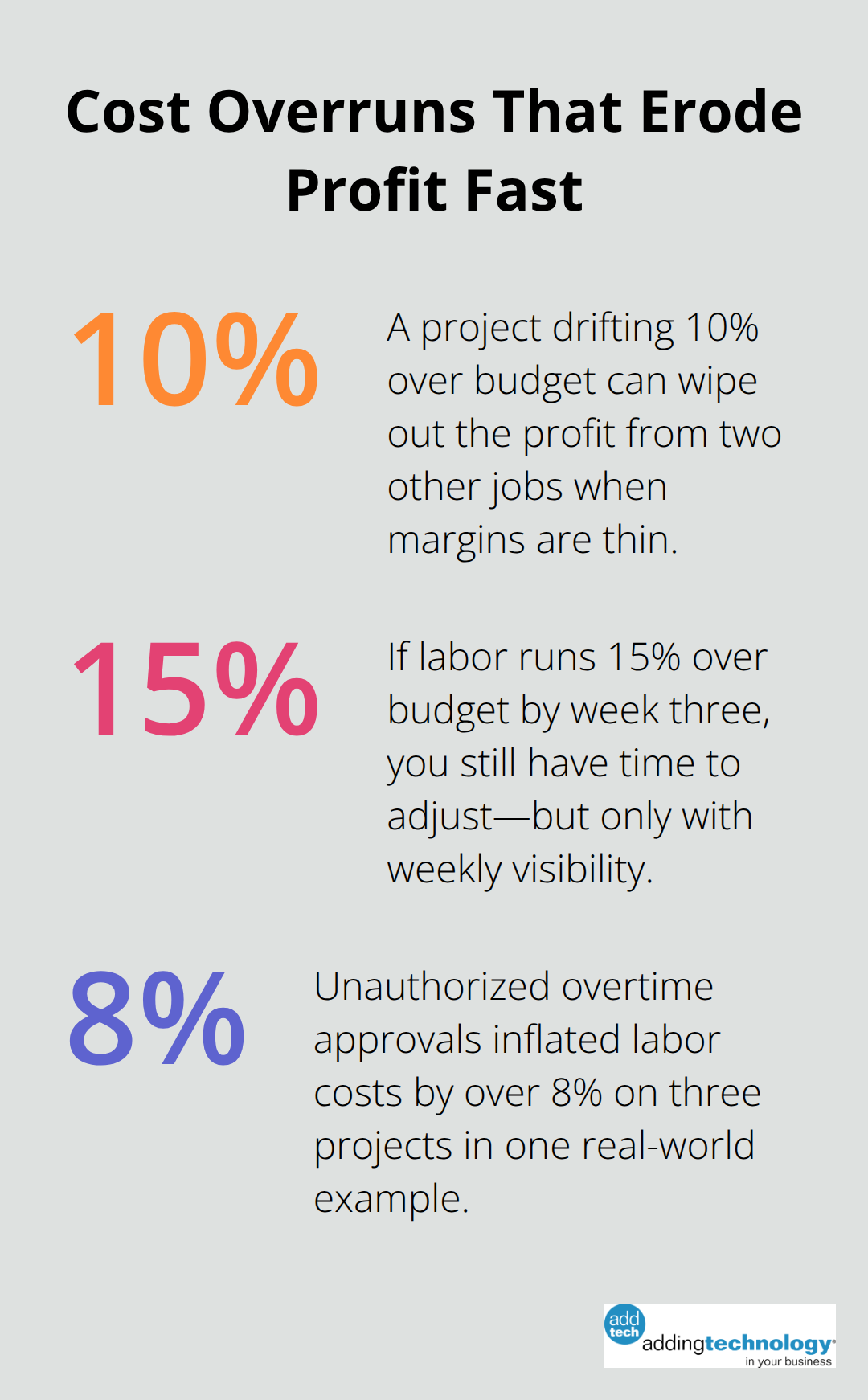
Late identification of project cost overruns occurs when internal controls fail, leading to misstated financials and strained relationships with lenders and sureties. The COSO Internal Control Framework identifies five components that guard against this, and the most practical one for builders is regular job cost reporting with variance analysis. When you review job costs weekly or bi-weekly, you catch deviations before they become disasters. Construction margins are thin, often between 5 and 15 percent. A single project that drifts just 10 percent over budget wipes out the profit from two other jobs.
Real-time job costing dashboards with variance tracking surface deviations as soon as they occur, giving you time to adjust staffing, renegotiate supplier contracts, or communicate with clients about scope changes. Without this visibility, you manage blind.
Fraud and Mismanagement Thrive in Weak Approval Processes
Segregation of duties across costing approval and accounting is not bureaucracy; it’s your defense against both intentional fraud and honest mistakes. When one person approves a purchase order, receives materials, and processes the payment, the risk of duplicate payments, inflated invoices, or theft increases significantly. Implement formal change order governance with documented approvals and tracking to prevent unauthorized scope changes and cost escalation. A standardized change order log with clear owner sign-off, dated approvals, and links to project budgets prevents scope creep from silently eroding profitability. Enforce role-based access controls and conduct periodic access reviews to protect sensitive financial data and transactions. When field staff, foremen, project managers, and accounting teams all see the same job cost data in one system, accountability improves and discrepancies surface faster.
Lenders and Sureties Demand Proof of Control
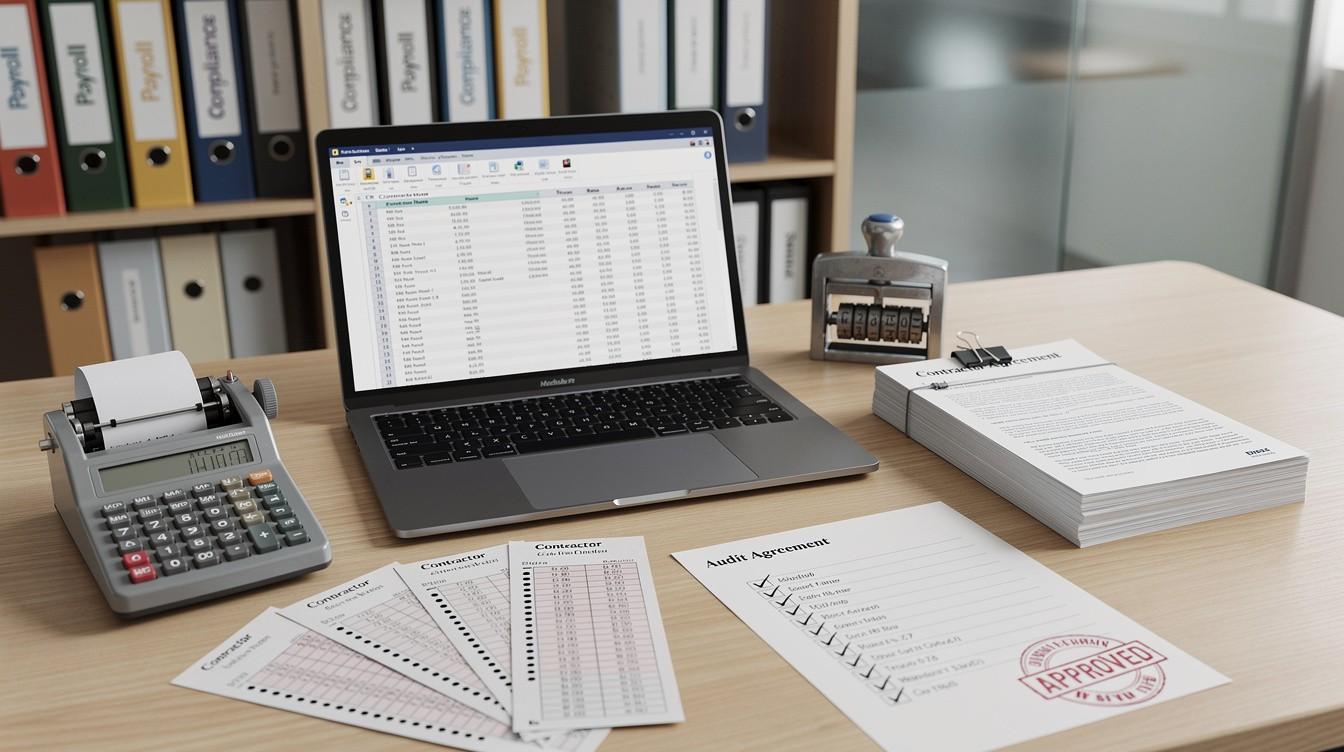
Lenders and sureties evaluate your financial health based on how well you control projects. When you demonstrate regular financial reviews comparing actuals to budgets, complete documentation of transactions, and a clear audit trail, you sustain favorable financing terms and bonding capacity. Contractors who proactively communicate governance improvements to lenders and sureties strengthen those relationships during both good times and downturns. A construction ERP platform that centralizes costs, revenue, payroll, equipment, and procurement enables accurate job costing, work-in-progress reporting, and billing that auditors and lenders trust. This isn’t just about compliance; it’s about having the credibility to secure capital when you need it most.
These three pillars-visibility, approval discipline, and stakeholder confidence-form the foundation of strong financial controls. The next section walks you through the specific controls that builders need to put in place to protect profitability and build a sustainable operation.
The Three Controls That Stop Money from Disappearing
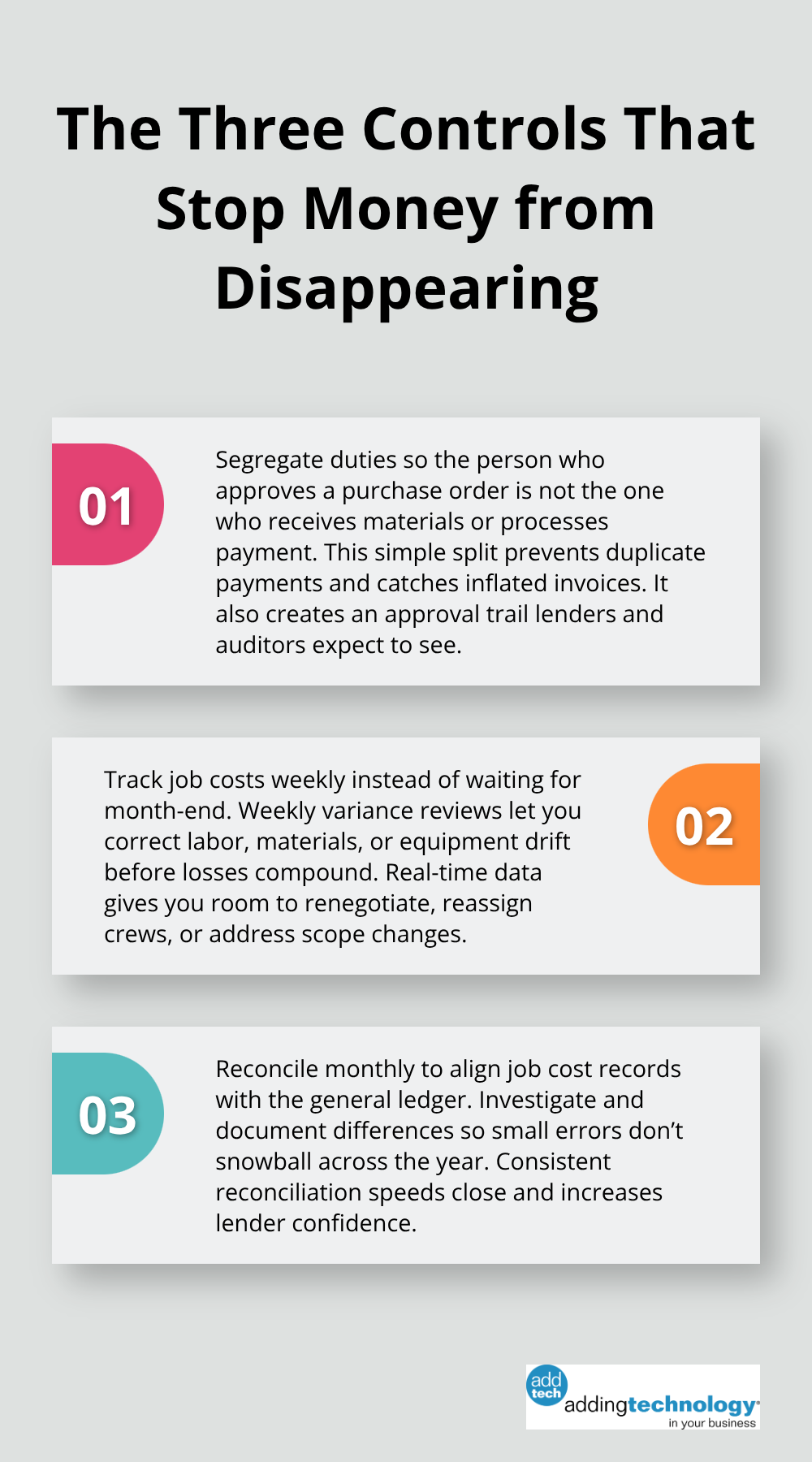
Strong financial controls rest on three practices that separate contractors who know their numbers from those who face problems too late. The first splits payment responsibilities so no single person approves, receives, and pays for the same transaction. The second tracks job costs in real time instead of waiting for month-end reports. The third reconciles accounts regularly so discrepancies surface while you can still act.
These aren’t optional steps; they’re the difference between a project that makes money and one that doesn’t.
Separate the People Who Approve, Receive, and Pay
One person should never approve a purchase order, receive materials, and process the payment. Segregation of duties stops both intentional fraud and accidental duplicate payments. When a subcontractor invoice arrives, the project manager confirms the work is complete, accounting verifies the invoice matches the purchase order, and a different person approves payment. This three-step process takes minutes and catches errors that cost thousands. If your team is small, assign these roles across whoever you have: a project manager reviews scope, the office manager checks the invoice, and the owner or bookkeeper approves payment. Document each step in writing so a clear trail exists. Your accounting software enforces approval workflows with role-based access controls. When someone tries to pay an invoice twice or overpay a subcontractor, the system flags it because the approval chain shows the discrepancy. Construction ERP platforms like Trimble Construction One or Viewpoint automate these approvals and create audit trails that lenders and auditors expect to see.
Track Job Costs Weekly, Not Monthly
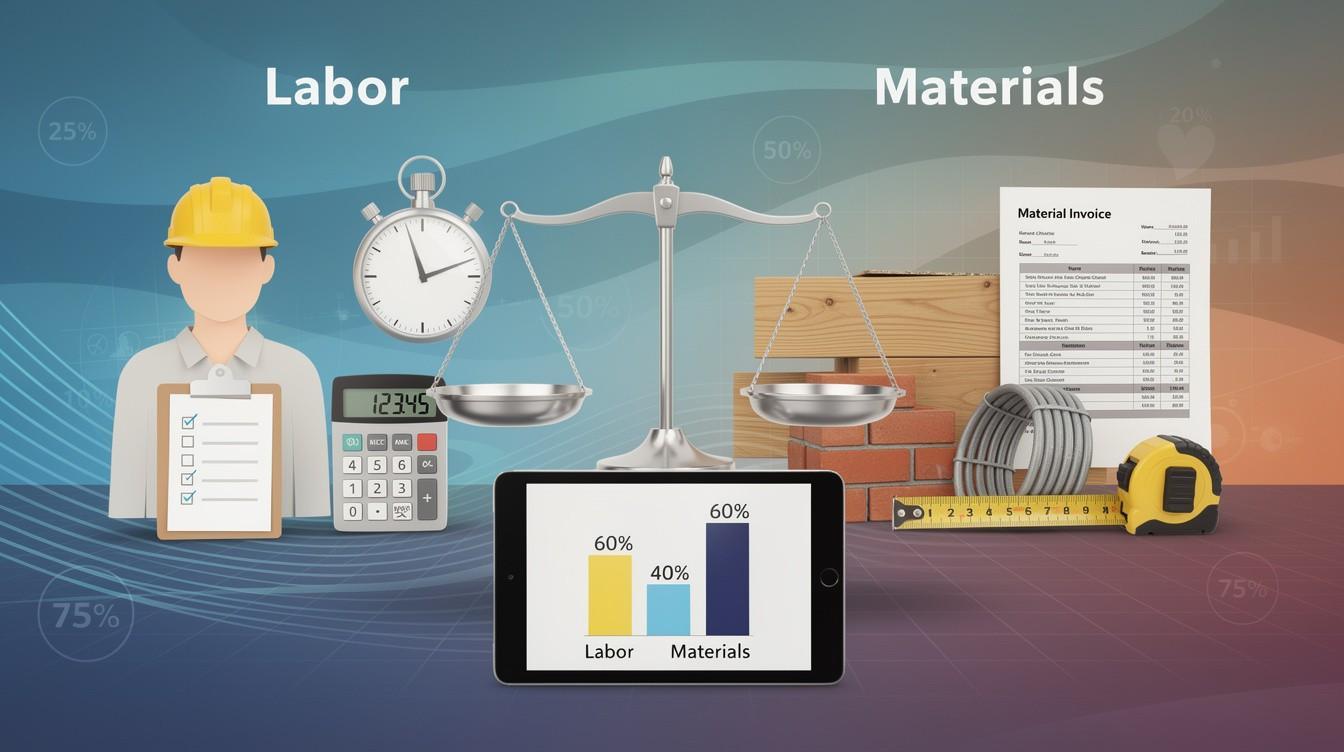
Monthly job cost reports tell you what happened after the damage is done. Weekly job cost tracking lets you adjust before a project bleeds money. Pull your job costs every Friday and compare actual labor, materials, and equipment costs against your budget. If labor runs 15 percent over budget in week three, you still have time to adjust staffing or work methods. If materials jumped because of price volatility, you can communicate with the client about cost impacts before the project ends. Mobile timekeeping apps feed directly into your accounting system so labor costs capture the same day work happens. Record material costs at the purchase order amount before invoicing arrives, not after, so your forecasts stay accurate. Set up cost codes that match your estimate so you compare apples to apples. Indirect costs like equipment repairs, depreciation, and supplies belong in job costing too; ignoring them inflates your perceived profitability by 10 to 20 percent on many projects. A construction ERP platform centralizes payroll, materials, equipment, and procurement so all cost data flows into one job cost dashboard without manual entry or reconciliation.
Reconcile Monthly to Catch Drift Before Year-End
Reconciliation means comparing what your job costs say to what your general ledger says and explaining any differences. Do this monthly for every job. If your job cost system shows materials at eight thousand dollars but your general ledger shows nine thousand, find out why. The difference might be a purchase order recorded but not yet invoiced, or it might be a data entry error. Small unexplained differences compound across twelve months and hide real profitability problems. Assign one person to own reconciliation and give them time to do it properly. Use a simple spreadsheet or your accounting software’s reconciliation feature to document the process. When you reconcile, you also catch missing transactions: a subcontractor payment that was approved but never entered, a change order that wasn’t coded to the right job, or materials ordered but forgotten in the system. Quarterly financial audits comparing actuals to budgets across all jobs reveal patterns too. If three jobs in a row over-ran on labor, that’s a signal to revisit your estimating or crew productivity. Contractors who reconcile monthly close their books faster, respond to problems sooner, and give lenders confidence that their financial statements are accurate.
These three controls work together to create visibility and accountability across your operation. The next section shows you how to recognize when these controls break down and what that breakdown costs your business.
Where Financial Controls Break Down
Most contractors don’t wake up one day and decide to ignore their finances. Controls break down gradually, often because the team stretches thin or systems lack connection. A project manager approves a subcontractor invoice without checking it against the original quote because the paperwork sits in three different places. The accounting department skips job cost reconciliation to the general ledger because nobody owns that responsibility. Field staff enter time into one system, materials log into another, and nobody connects the data back to the job cost report that tells you whether the project actually makes money. These failures aren’t character flaws; they’re process failures. Without a solid financial management system, these variables can lead to cash flow issues, project delays, or even business failure. The cost compounds fast. A missing change order here, an unapproved subcontractor payment there, and by month three you manage a project blind.
Documentation Failures Hide Cost Overruns Until It’s Too Late
When a change order receives approval verbally or through an email thread nobody files, it never makes it into the job cost forecast. The budget stays at the original amount while the actual scope and cost shift. Six weeks later, the project sits underwater and nobody can explain why because the approval trail doesn’t exist. Contractors who rely on email, text messages, or handshakes instead of a centralized system can’t prove what was approved, when, or by whom. Auditors flag this immediately. Lenders see it as a red flag for financial control risk.
The fix is straightforward: use your accounting software or a construction ERP platform to log every change order with owner sign-off, date, and amount linked directly to the project budget. When materials arrive on site, scan the purchase order so the receiving record matches what was ordered. When invoices come in, attach them to the purchase order in your system so you have a complete transaction trail. Mobile timekeeping apps eliminate the clipboard and spreadsheet approach; labor gets recorded the same day work happens and flows straight into job costs. Small contractors often think documentation is bureaucracy, but it’s actually your defense. It proves to lenders you control your projects. It speeds your month-end close. It protects you if a dispute arises with a client or subcontractor.
Approval Workflows Fail When Authority Stays Unclear
Approval workflows fail when nobody has clear authority and nobody says no. Some contractors place all approvals with the owner, creating a bottleneck that delays decisions and leaves gaps when the owner is on site or traveling. Other contractors have no approval process at all; any project manager can commit the company to spending money without oversight. The result is unauthorized change orders, payments to subcontractors who aren’t on the approved list, or materials ordered that don’t match the project scope.
One contractor discovered that a field supervisor had been approving overtime payments that weren’t authorized, inflating labor costs on three projects by over eight percent each. Nobody caught it because there was no approval chain. The standard practice is to define spending thresholds: project managers approve changes under five hundred dollars, the estimator or operations manager approves five hundred to two thousand, and the owner approves anything above two thousand. Document these approvals in writing with dates and signatures so you have evidence. Your accounting software enforces this through role-based access controls; if a project manager tries to approve a payment above their limit, the system blocks it and routes it to the right person. This takes discipline but it works.
Fragmented Systems Hide True Project Profitability
Visibility into project profitability evaporates when cost data lives in separate systems. A contractor might have timekeeping in one platform, materials in the accounting software, equipment costs scattered across spreadsheets, and subcontractor invoices in email. When it’s time to calculate job profitability, someone spends two days pulling numbers from five different sources, and the final report is three weeks old. The project is halfway done and it’s too late to adjust.
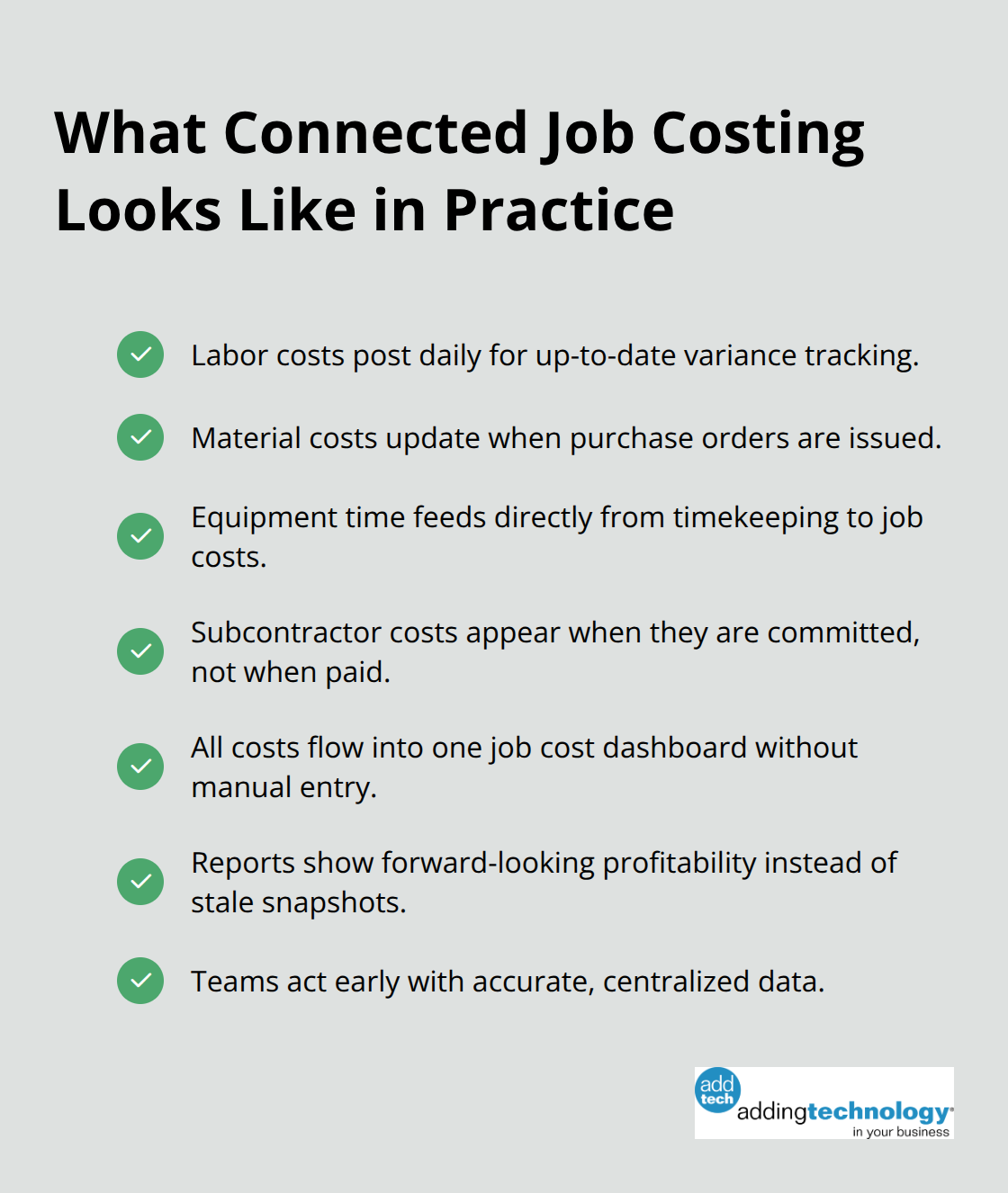
Accurate job costing helps contractors track all project expenses in real time, ensuring better budget control and profitability. A construction ERP platform that connects payroll, procurement, and accounting into one system solves this. Labor costs post daily. Material costs update when purchase orders are issued, not when invoices arrive. Equipment time feeds directly from timekeeping.
Subcontractor costs appear when they’re committed, not when they’re paid. This gives you a forward-looking view of profitability, not a backward-looking one. Contractors discover a project heads toward a loss in week four instead of week twelve because they have real-time job costs. That’s two months to adjust staffing, renegotiate supplier contracts, or work with the client on scope. Without it, you manage surprises instead of preventing them.
Final Thoughts
Financial controls for builders protect your margins, build credibility with lenders, and give you visibility to act before problems spiral. The three core controls-segregation of duties, weekly job cost tracking, and monthly reconciliation-form the foundation that stops cost overruns early, reduces fraud risk, and makes your financial statements trustworthy. Lenders and sureties notice when you implement these practices, and your team gains confidence in the numbers.
Start by identifying your biggest control gaps. Do you have a clear approval process for change orders and subcontractor payments, or does authority stay unclear? Are your job costs visible weekly or do you wait until month-end to see what happened? Can you reconcile your job cost system to your general ledger without spending days hunting discrepancies? Pick one gap and close it first-if change orders are your weakness, implement a standardized log with documented approvals; if job cost visibility is the problem, set up weekly cost reviews with your team.
A construction ERP platform accelerates this work by connecting payroll, procurement, and accounting so labor, materials, and equipment costs flow into job costing automatically. Mobile timekeeping eliminates manual entry, approval workflows enforce your spending thresholds, and real-time dashboards show you project profitability as work happens. Adding Technology helps contractors build this foundation through expert accounting services and technology integration tailored to your operation, so you focus on projects while your numbers stay accurate and compliant.