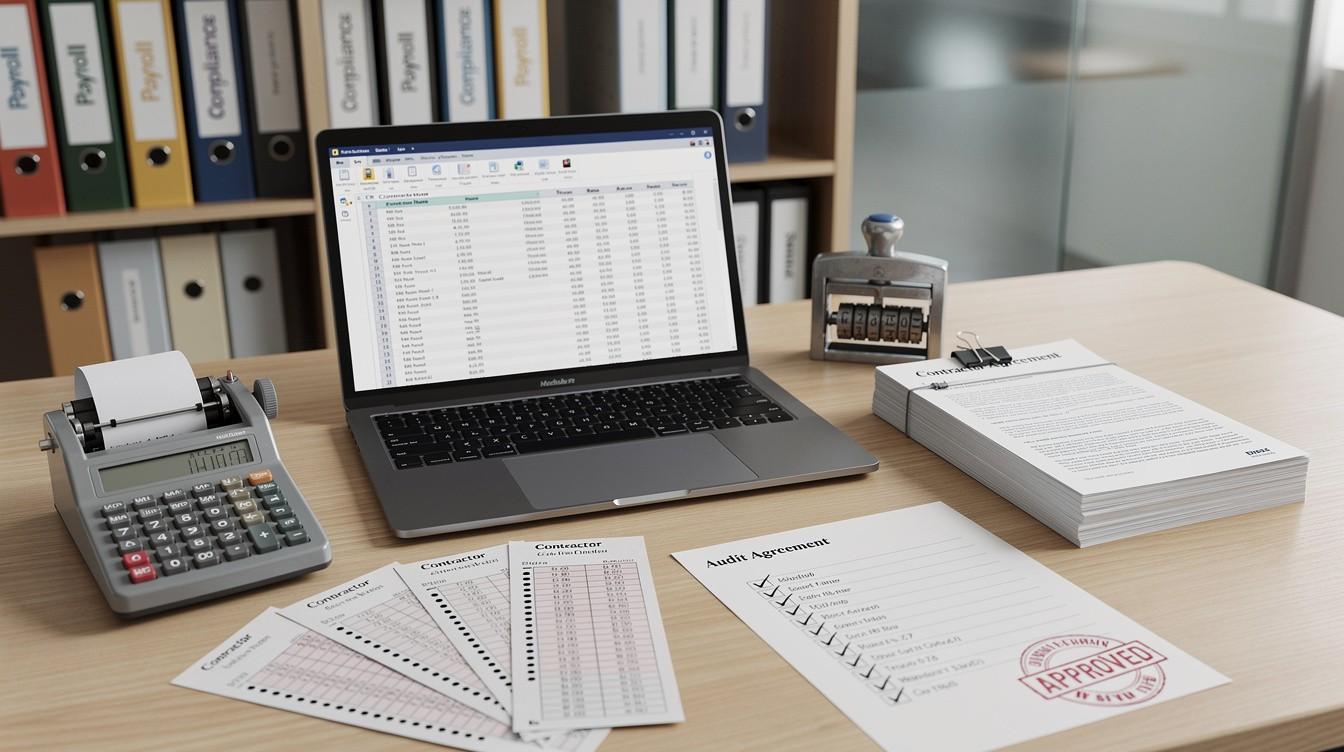
Construction audits don’t have to be stressful. When you follow a solid construction compliance checklist and keep your records organized, you’re already halfway there.
At adding technology, we’ve seen firsthand how contractors who stay on top of compliance avoid costly penalties and keep their operations running smoothly. This guide walks you through the key requirements, documentation essentials, and common mistakes that could derail your business.
What Compliance Rules Actually Apply to Your Jobs
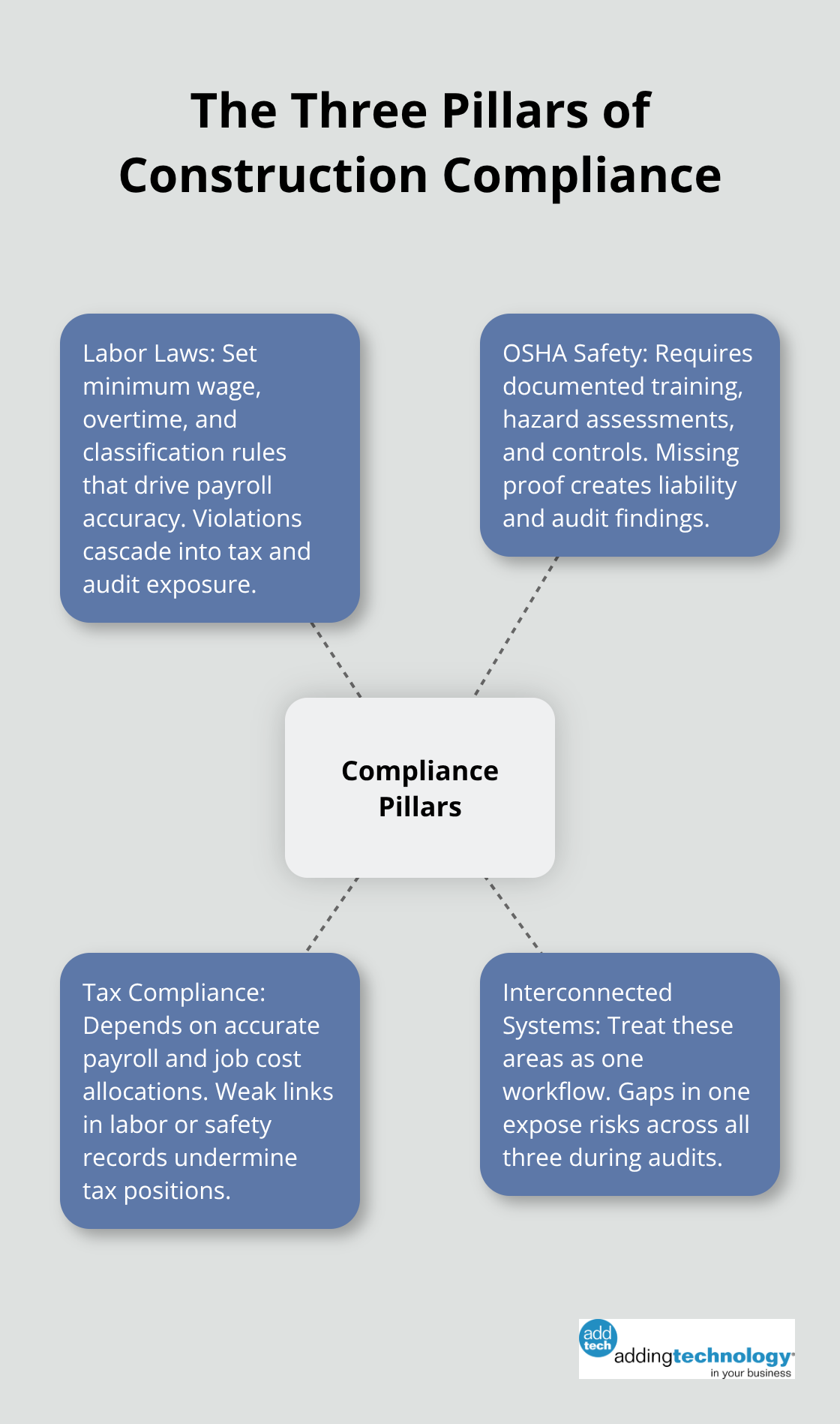
Labor laws, safety standards, and tax requirements form the backbone of construction compliance, but most contractors treat them as separate silos rather than interconnected systems. We at adding technology see this repeatedly: companies nail their OSHA paperwork but miss wage-and-hour violations, or they track payroll perfectly while their subcontractor documentation falls apart. The truth is these three areas feed into each other, and gaps in one expose you in all three during an audit.
Federal and State Labor Laws Set the Foundation
Federal and state labor laws like the Fair Labor Standards Act set minimum wage and overtime rules at 40 hours per week, but state laws often impose stricter requirements. California requires overtime after 8 hours daily, while other states follow the federal 40-hour threshold. Misclassifying workers as independent contractors to avoid payroll taxes is one of the fastest ways to trigger IRS audits and Department of Labor investigations, with penalties ranging from back wages plus 100% penalties to criminal liability depending on the violation severity.
OSHA Standards Demand Documented Proof
OSHA standards require documented hazard assessments, daily toolbox talks, and written Job Hazard Analyses for every task. You need timestamped records showing who received training, what hazards the team discussed, and what controls you implemented. States add their own layers: Washington State requires fall protection documentation for any work over 10 feet, while New York mandates specific scaffolding certifications.
Tax Compliance Extends Beyond Payroll
Tax compliance goes beyond payroll withholding. You must track prevailing wage on public projects, manage lien waivers and payment documentation for bonding purposes, and maintain records proving you paid workers the wages you claimed on job cost reports.
Auditors Verify What You Can Prove
Auditors and regulators do not care what you intended to do; they care what you can prove you did. A safety checklist without a signature and date holds no weight, a wage record without the hours worked means you cannot defend your payroll, and equipment purchase records without job codes make it impossible to allocate costs correctly during a construction audit. Digital tools that timestamp entries automatically eliminate the excuse that records were lost or forgotten.
Link Your Records Across Systems
Organize your documentation so labor records link to job codes, subcontractor payments connect to signed contracts and lien waivers, and safety records tie directly to the tasks performed that day. If a crew member worked on three different jobs in one week, your time tracking must show exactly which hours went to which job, because this directly impacts your job costing accuracy and your ability to defend prevailing wage compliance on public work. Equipment records should include purchase date, cost, depreciation method, and which jobs used that equipment (since tax audits often challenge equipment deductions and construction audits verify that equipment costs are allocated fairly across projects rather than dumped onto a single contract).
With your compliance foundation in place, the next step is building the documentation systems that actually hold up during an audit.
The Records That Actually Matter in Audits
Your time tracking system fails if it does not connect to specific jobs. Contractors often maintain pristine timesheets but cannot answer a basic audit question: which hours belong to which project?
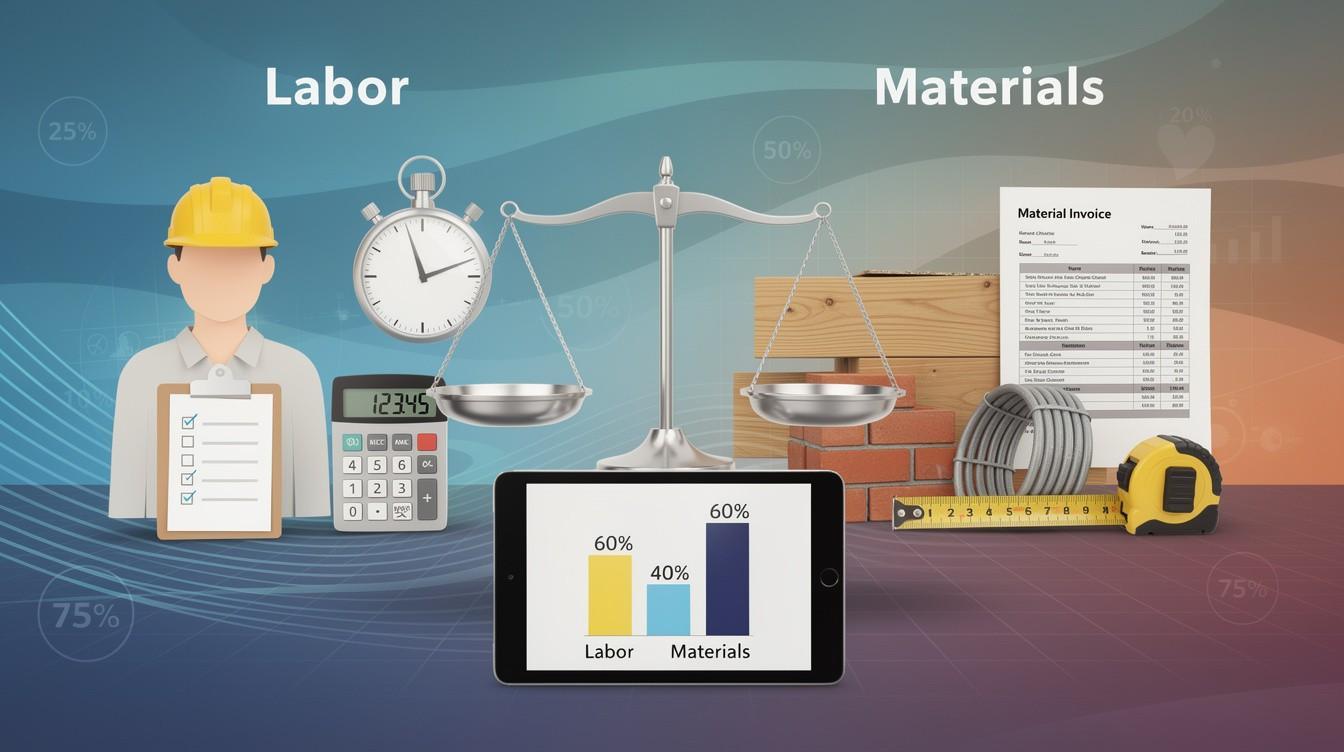
The auditor then assumes the worst and starts digging into every payroll record. Job costing requires that every labor hour, every equipment use, and every material cost ties directly to a job code. If a crew member worked Monday through Friday on three different projects, your system must show exactly how many hours went to each job, because this number feeds directly into your job profit margins, your prevailing wage compliance on public work, and your ability to defend labor costs if a client disputes your invoice.
Time Tracking Must Connect to Job Codes
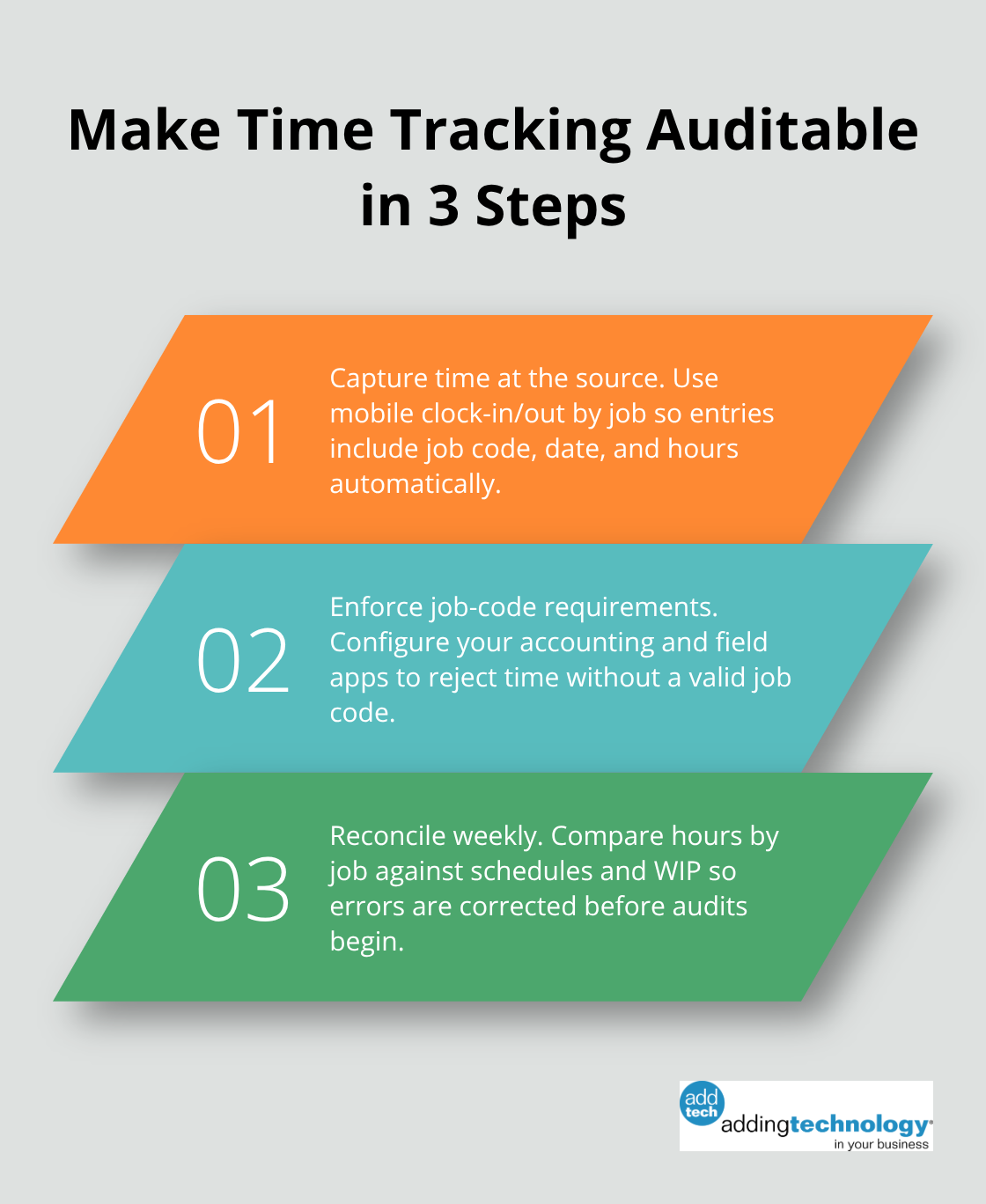
Most contractors use spreadsheets or generic accounting software that forces them to enter job codes manually after the fact, which creates delays and errors. Digital time tracking with mobile apps lets workers clock in and out by job, eliminating this problem instantly. When workers enter their time on the jobsite using a mobile device, the system captures the exact job code, date, and hours in real time. This approach removes the manual step that introduces mistakes and makes your records auditable from day one.
Equipment Records Need Allocation Details
Equipment records must include the purchase date, original cost, depreciation method, and useful life. Tax auditors challenge equipment deductions constantly because contractors often claim full depreciation without allocating costs fairly across projects. If you own a concrete saw and use it on five jobs in one year, construction firms allocate expenses based on actual hours used, spreading costs across multiple projects that utilize the same equipment. This level of detail protects you during tax audits and construction audits alike.
Subcontractor Documentation Requires Discipline
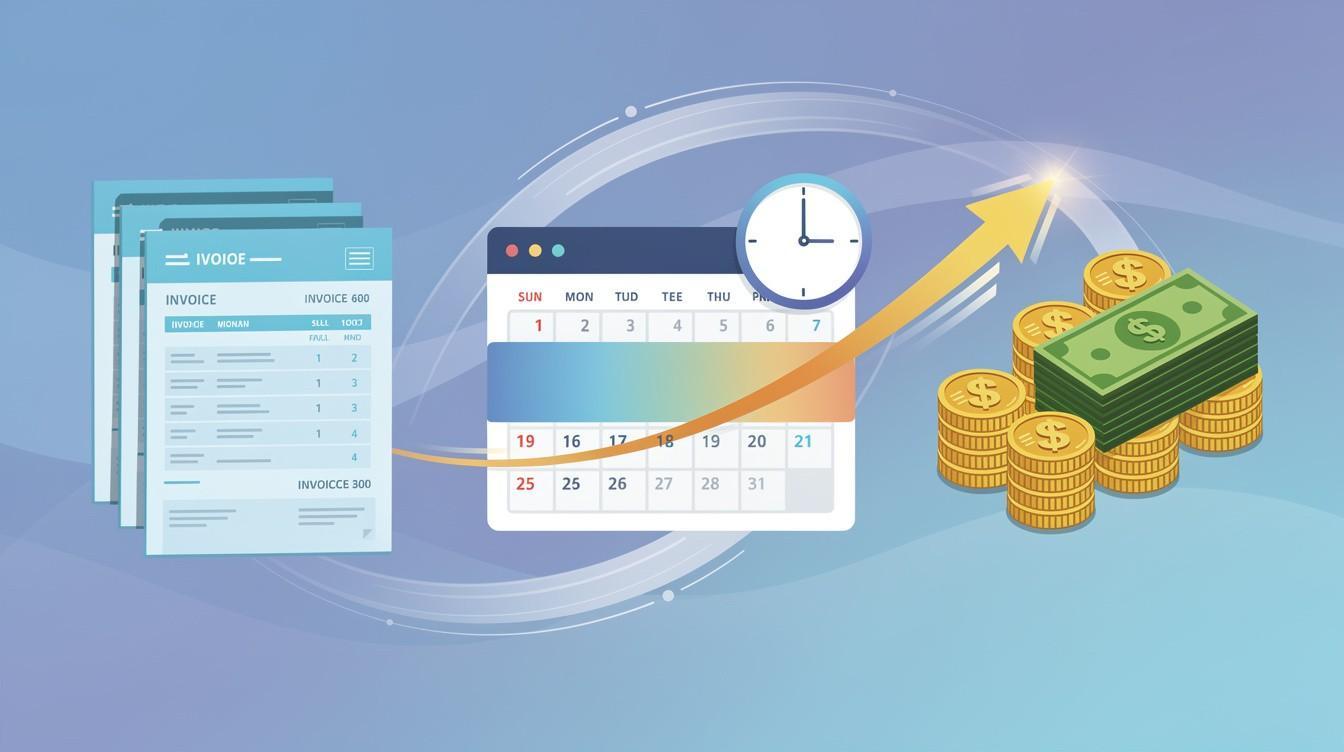
Subcontractor and vendor payments require a different discipline entirely. You need signed contracts that specify the scope of work, the price, payment terms, and insurance requirements before work starts. Lien waivers must be collected and filed with your accounting records, not stored in a random folder or lost after the job ends. When a subcontractor invoices you, that invoice must reference the contract, show the work completed, and include their license number and insurance certificate on file. Many contractors pay subcontractors without verifying that insurance is current, which exposes them to massive liability if an injury occurs on site.
Material Tracking and Vendor Records
Your vendor documentation should include purchase orders that match the invoice amount, delivery receipts that confirm materials arrived, and job codes that show where those materials were used. If you bought 500 pounds of rebar and your records do not show which jobs received that material, you cannot allocate costs correctly during job closeout. Centralizing all of this documentation in a cloud-based system where contracts, invoices, lien waivers, and payment records live in one place with version control and audit trails transforms how you manage compliance. When an auditor requests subcontractor documentation, you pull a complete file in minutes, not hours.
Building an Auditable Documentation System
This approach transforms compliance from a painful scramble into a routine process that actually improves your ability to manage project profitability in real time. The foundation is in place-you understand what records matter and why auditors scrutinize them. The next step is identifying which specific compliance mistakes contractors make most often and how to avoid them before they cost you money.
Common Compliance Mistakes Contractors Make
Worker misclassification happens because it feels faster and cheaper than proper payroll setup. A contractor hires someone as a 1099 independent contractor, avoids withholding taxes and payroll processing, and moves on. The IRS disagrees. The agency uses the ABC test in many states, which asks: Does the worker operate independently, work outside the usual business operations, and actively market their services? Most construction crews fail this test because they work under direct supervision, use company equipment, and follow company procedures. Worker misclassification penalties can include back wages and payroll taxes. Classify workers correctly from hire date one, run payroll through your accounting system, and keep records showing hours worked and wages paid by job code.
Safety Records Require Daily Documentation
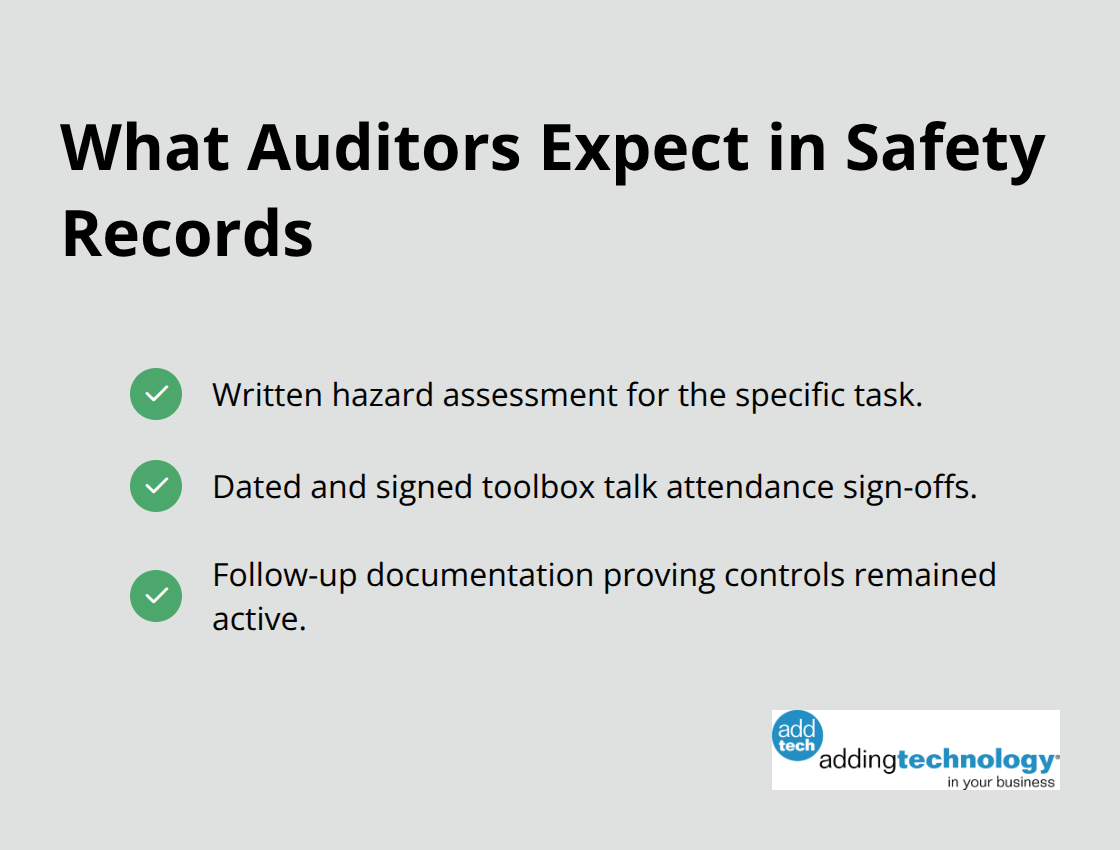
Job Hazard Analyses and safety checklists mean nothing if they sit unsigned in a file or never get completed at all. OSHA expects documented proof that you identified hazards before work started, trained workers on those hazards, and verified controls stayed in place. Auditors and owners reviewing your safety records look for three things: a written hazard assessment for the specific task, dated and signed sign-offs showing workers attended the toolbox talk, and follow-up documentation proving controls remained active throughout the job. Most contractors fail on the signature piece because crews rush through morning safety meetings without formal documentation. Digital safety tools timestamp entries automatically when a supervisor completes a JHA on a mobile device, creating an auditable trail that holds up under scrutiny.
When an owner or auditor requests your safety records for a specific date, you pull a complete file in seconds showing who attended, what hazards the team discussed, and what controls you assigned. Paper forms stored in a jobsite trailer or email threads scattered across multiple inboxes guarantee you will miss something during an audit.
Financial Records Must Connect to Specific Jobs
Poor financial documentation happens when contractors separate their accounting system from their project reality. A general ledger shows labor costs and material expenses, but if those costs do not tie back to specific jobs with clear allocations, an auditor cannot verify accuracy. Construction audits focus heavily on work-in-progress reporting and revenue recognition under ASC 606 revenue recognition, which requires you to prove that costs charged to a project actually relate to that project. If your accounting software does not require a job code when you record expenses, costs end up in the wrong place or get allocated manually after the fact, introducing errors. Equipment purchases without depreciation schedules create another red flag because tax auditors assume contractors are trying to hide equipment costs. Subcontractor invoices without signed contracts or lien waivers on file make it impossible to defend payment amounts if a dispute arises. Force every financial entry through your accounting system with mandatory job codes, link all vendor contracts and lien waivers to invoices in a centralized platform, and run monthly job costing reports that show exactly where money went. This approach transforms your financial records from a compliance liability into a tool that prevents cost overruns and identifies unprofitable work early.
Subcontractor Documentation Gaps Create Exposure
Subcontractor payments require a different discipline entirely. You need signed contracts that specify the scope of work, the price, payment terms, and insurance requirements before work starts. Lien waivers must be collected and filed with your accounting records, not stored in a random folder or lost after the job ends. When a subcontractor invoices you, that invoice must reference the contract, show the work completed, and include their license number and insurance certificate on file. Many contractors pay subcontractors without verifying that insurance remains current, which exposes them to massive liability if an injury occurs on site. Your vendor documentation should include purchase orders that match the invoice amount, delivery receipts that confirm materials arrived, and job codes that show where those materials went. If you bought 500 pounds of rebar and your records do not show which jobs received that material, you cannot allocate costs correctly during job closeout. Centralizing all of this documentation in a cloud-based system where contracts, invoices, lien waivers, and payment records live in one place with version control and audit trails transforms how you manage compliance. When an auditor requests subcontractor documentation, you pull a complete file in minutes, not hours.
Final Thoughts
Compliance directly impacts your profitability, your ability to win bids, and your protection against costly penalties. Contractors who treat compliance as a separate burden from their core business operations scramble during audits, miss deductions, and lose money on jobs they thought were profitable. The ones who build compliance into their daily workflows discover something unexpected: better records actually make you more profitable because you catch cost overruns early, allocate expenses accurately, and defend your invoices confidently.
A sustainable construction compliance checklist starts with one principle: every financial entry, every safety record, and every vendor payment flows through a single organized process. Your time tracking connects to job codes, your accounting software requires a job code before recording an expense, and your safety supervisor completes a JHA on a tablet that timestamps the entry automatically. This approach transforms compliance into routine instead of stressful, and your crew clocks in on a mobile device to select their job code without extra steps or manual corrections.
Assess where your records fall short right now and pick one area to strengthen first. Many contractors find that moving from spreadsheets to a system that enforces job codes and timestamps entries eliminates half their audit stress immediately. We at adding technology help construction companies build this foundation through streamlined accounting systems and real-time job costing that connects your financial records to your project reality.