One unexpected cost overrun or schedule delay can threaten your entire project’s profitability. At adding technology, we’ve seen contractors lose thousands because they didn’t catch financial problems early enough.
Contractor risk management isn’t just about avoiding disasters-it’s about building systems that catch problems before they become expensive. This guide walks you through the financial and operational strategies that keep projects on track.
What Risks Actually Cost Your Projects
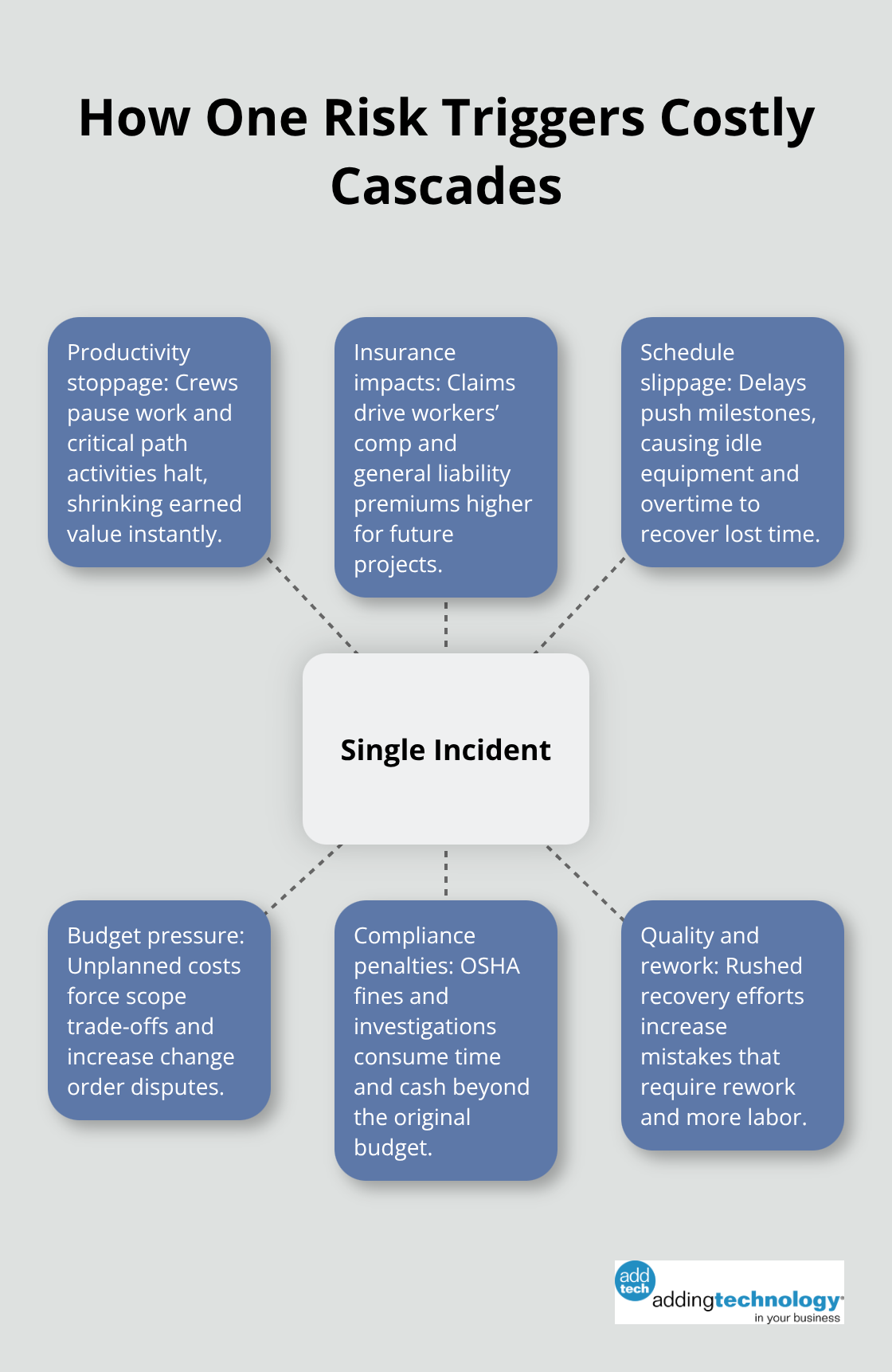
The Interconnected Threat: How One Problem Triggers Another
Safety incidents, budget overruns, and schedule delays don’t happen in isolation-they’re interconnected threats that compound each other. According to data from the Bureau of Labor Statistics, construction experiences roughly 150,000 site injuries annually, and OSHA penalties for serious violations reach $16,550 per incident, with willful violations climbing to $165,514. But the financial damage extends far beyond fines. When a worker gets injured, productivity stops, insurance premiums rise, and project timelines slip.
A single safety event triggers a cascade of costs that weren’t in the original budget. The connection is direct: poor safety culture leads to delays, delays create budget pressure, and budget pressure forces contractors to cut corners elsewhere.
The Real Cost of Schedule Delays
Industry data shows more than 70% of construction projects experience delays, and when delays happen, your labor costs climb while your equipment sits idle. A two-week schedule slip on a mid-sized commercial project can easily add $50,000 to $100,000 in overhead alone. Cost control failures compound this problem. Inaccurate estimates, untracked change orders, and poor job costing visibility mean you don’t know you’re over budget until it’s too late. The construction industry reports that 38% of disputes stem from design-related issues and cost ambiguities.
The Cash Flow Crisis That Stops Projects
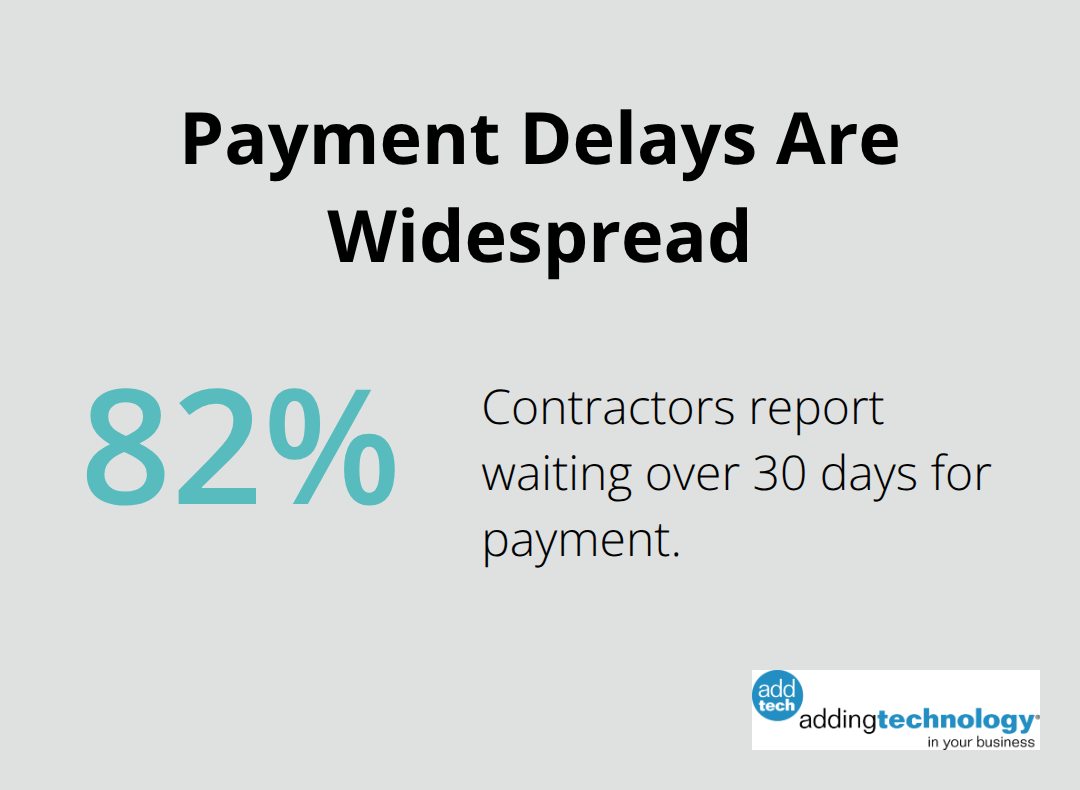
Contractors facing payment delays in the construction industry represent 82% of the industry-a cash flow crisis that forces many to take on debt just to keep projects moving. Without cash flow visibility, you can’t pay your crews or suppliers on time, which damages relationships and forces you to absorb financing costs that eat into margins.
Why Early Detection Matters More Than Heroics
Catching financial problems early fundamentally changes the outcome. Real-time job costing systems let you see labor, material, and equipment costs as they happen, not weeks later when corrections become expensive. If you spot a $15,000 steel price overrun in week three instead of week twelve, you have time to negotiate with suppliers or adjust scope. Without visibility, you manage by crisis.
Schedule slippage works the same way-hyperlocal weather intelligence and AI-driven delay forecasting assess labor availability, material deliveries, and site conditions in near real-time to estimate delay likelihood weeks in advance. This gives you time to bring in additional crews or adjust your sequencing rather than discovering mid-project that your concrete pour is impossible due to weather conditions you could have planned around.
Safety requires the same proactive mindset. ML-based safety management evaluates task profiles, worker experience, site conditions, and incident history to identify elevated risk zones before people get hurt. Wearables and computer vision systems monitor environmental exposure and unsafe behavior in real-time, delivering location-based alerts so supervisors intervene immediately. This transforms safety from a compliance checkbox into an operational discipline that protects your people and your bottom line simultaneously.
The financial systems you put in place determine whether you spot these problems early or discover them too late. Real-time visibility across costs, schedules, and safety metrics gives you the control you need to respond before small problems become expensive ones.
How to Protect Cash Flow and Control Costs Before Problems Escalate
Map Your Cash Position Week by Week
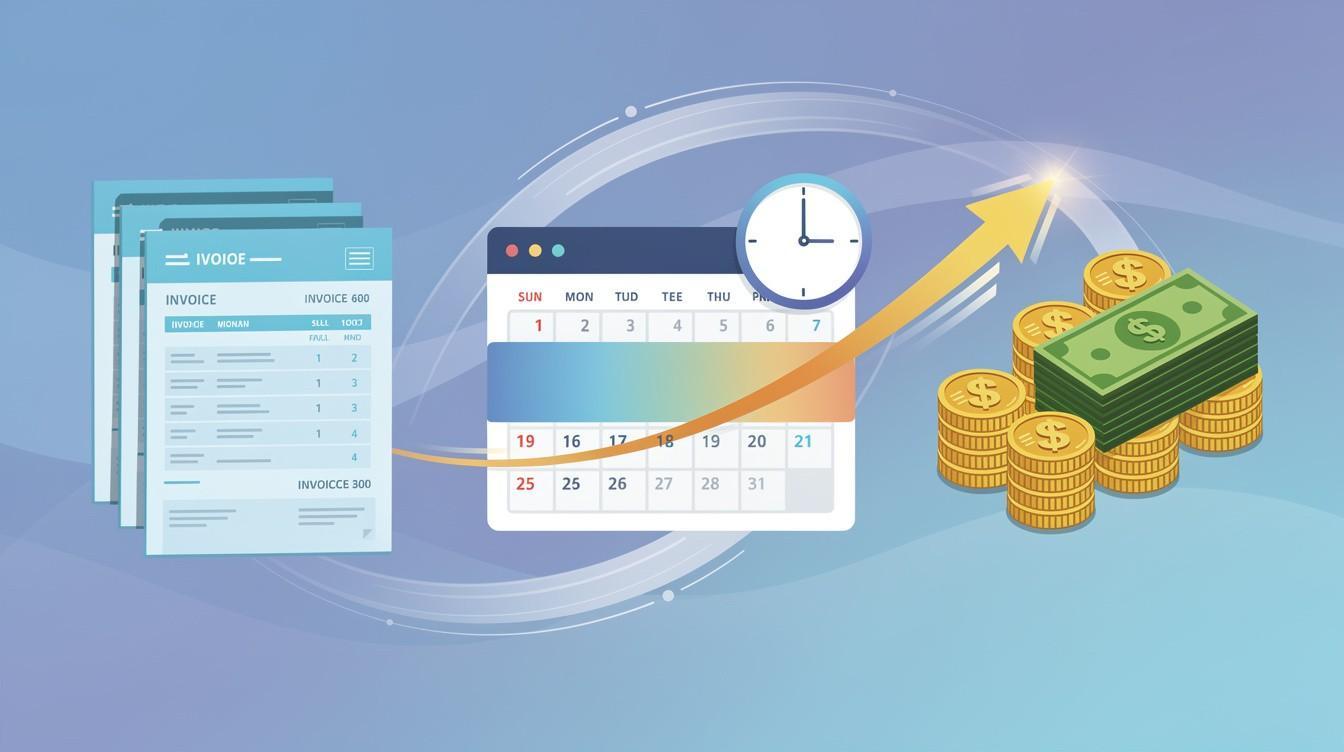
Real-time visibility into your cash position separates contractors who survive payment delays from those who don’t. The construction industry reports that 82% of contractors wait over 30 days for payment. Without a cash flow plan, you borrow money just to meet payroll, which means paying interest on capital that should already be yours. Forecast cash inflows and outflows week by week, not month by month.
Know exactly when invoices go out, when you expect payment, and when your major expenses hit. This granular view lets you identify cash gaps before they force you to tap a line of credit.
Many contractors discover they’re short on cash only after missing a supplier payment, which damages relationships and triggers late fees. Instead, map your cash position across your active projects so you can see which jobs generate cash and which consume it. If a project with slow payment terms starves your cash position, you have time to negotiate faster payment, adjust your billing schedule, or secure a bond to bridge the gap.
Treat Supplier Relationships as Financial Tools
Working capital management means you treat supplier relationships and payment terms as financial tools, not afterthoughts. Negotiate extended payment terms with suppliers for commodity items while you maintain buffers for long-lead materials that carry schedule risk. A multi-hub supplier model reduces concentration risk and stabilizes deliveries, which means you face less likelihood of emergency expediting costs that blow your budget.
For materials with volatile pricing (like steel and lumber), use escalation clauses in your contracts so cost increases don’t automatically become your problem. This approach protects your margin when market conditions shift unexpectedly.
Track Costs in Real-Time, Not in Arrears
Cost tracking must happen in real-time, not in monthly reconciliations. When you wait until month-end to review costs, a $15,000 labor overrun becomes a $45,000 problem by the time you notice it three weeks later. Real-time job costing systems show you labor hours, material consumption, and equipment costs as they accumulate, which means you catch scope creep and inefficiencies while you can still correct them. This visibility transforms how you manage projects-you respond to problems while solutions still exist.
Secure Insurance and Bonding Coverage
Insurance and bonding are non-negotiable protections that guard against catastrophic losses. General liability, workers compensation, and builders risk coverage protect your business, but most contractors underestimate their actual exposure. Collect and annually update subcontractor certificates of insurance to confirm they carry adequate coverage. Performance bonds and payment bonds protect your clients and give them confidence in your ability to deliver, which strengthens your reputation and win rate.
Understand that bonds are not insurance-when a bond claim happens, you must repay the surety, so bonds function as a contingency tool, not a replacement for solid project execution.
Negotiate Contract Terms That Protect Your Margin
Negotiate contract terms that support risk transfer, specifically avoiding pay-if-paid clauses that shift cash flow risk onto you. Pay-when-paid terms work better, but clear change order procedures and material price adjustment clauses protect you further. These aren’t legal formalities-they’re financial safeguards that prevent scope creep from silently eroding your margin. When you control these variables, you create the foundation for predictable project outcomes and stronger financial performance across your portfolio.
How to Build Monitoring Systems That Actually Work
Resilience comes from systems that surface problems before they become expensive. Contractors who move from reactive firefighting to proactive problem-solving invest in monitoring systems that show real-time visibility into costs, schedules, safety, and cash flow. The most effective contractors don’t wait for monthly reports to discover they’re over budget or behind schedule. They monitor daily metrics that flag issues within hours, not weeks.
Track Daily Metrics That Reveal Hidden Problems
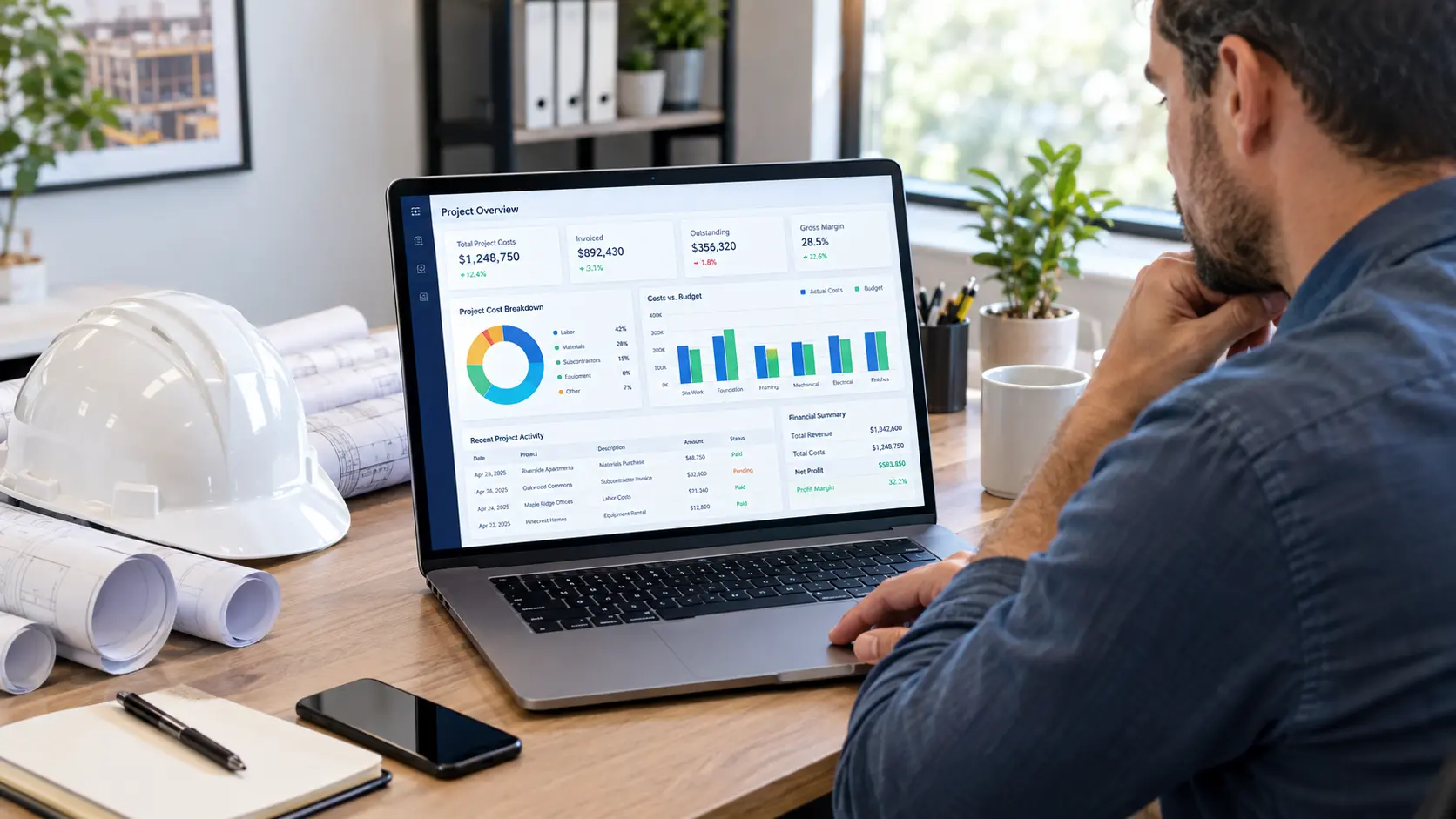
Set up dashboards that track cost performance index (your actual costs versus planned costs), schedule performance index (your actual progress versus planned progress), and defect rates that signal quality problems early. When your CPI drops from 1.0 to 0.92 mid-week, you know labor productivity is slipping and you can adjust crew assignments or sequencing immediately. Without these metrics visible, you discover the same problem at month-end when correction becomes exponentially more expensive.
Real-time visibility also means integrating your accounting system with your field data so material costs, labor hours, and equipment usage feed directly into your job cost reports without manual entry delays. This eliminates the three-week lag that turns a small $5,000 overage into a $20,000 problem by the time you notice it.
Weather Intelligence Prevents Schedule Disasters
Hyperlocal weather forecasting translates weather patterns into activity-level impact, which means you know weeks in advance if conditions will prevent concrete pours, exterior work, or crane operations. This isn’t general weather data-it’s site-specific intelligence that assesses labor availability, material deliveries, and site conditions in near-real-time to estimate delay likelihood. If your schedule shows a critical concrete pour scheduled for week six but hyperlocal forecasting shows a 70% chance of rain during that window, you adjust sequencing now rather than discovering mid-project that you’re stalled.

The cost of a two-week delay on labor and equipment easily exceeds the cost of schedule acceleration or negotiating weather windows with your general contractor. Many contractors treat weather as an uncontrollable variable when it’s actually predictable with enough lead time. Contingency plans should identify which activities face weather risk and establish alternative sequences before you’re forced to improvise under pressure. For example, if your critical path includes exterior finishing work in November, your contingency plan identifies interior work that can absorb crews if weather shuts down exterior operations.
Safety Monitoring Catches Cost Problems Simultaneously
ML-based safety management evaluates task profiles, worker experience, and site conditions to identify elevated risk zones before incidents happen. Wearables like smart helmets and connected vests monitor environmental exposure and movement in real-time, while computer vision analyzes site video for unsafe behavior and missing PPE. This continuous monitoring delivers location-based alerts so supervisors intervene immediately.
Safety incidents and cost overruns are symptoms of the same problem: poor visibility and weak execution discipline. When you implement monitoring systems that catch safety violations in real-time, you simultaneously catch the inefficiencies, rework, and scope creep that drive cost overruns. A worker not wearing fall protection is a safety problem, but the supervision breakdown that allows it also allows labor inefficiency to go undetected. The actual cost impact is far higher when you account for productivity loss, rework, and delayed schedules.
Allocate Contingency Reserves for Real Disruptions
Your contingency budget should allocate 5-10% of total project cost for unforeseen events, with specific reserve pools for safety incidents, design changes, and material price volatility. Contingency plans should account for the fact that safety incidents directly trigger cost impacts through lost productivity, incident investigation time, and potential insurance premium increases. Technology streamlines this monitoring by automating data collection so your team spends time responding to problems rather than gathering information. Digital platforms that integrate scheduling, procurement, cost tracking, and field reporting create a single system of record where all roles see the same data, which eliminates the coordination delays that turn small problems into large ones.
Final Thoughts
Contractor risk management runs through every decision you make, not as a one-time project but as an operational discipline. The contractors who build resilience across their projects catch problems early through real-time visibility, protect cash flow through deliberate planning, and respond to disruptions before small issues become expensive ones. Safety incidents, budget overruns, and schedule delays compound each other, but you can prevent them when you have systems in place to see them coming.
Strong financial systems form the backbone of project resilience. When you track costs in real-time, forecast cash flow week by week, and monitor daily performance metrics, you transform how you respond to risk. You move from discovering problems in monthly reports to catching them within hours, shifting from managing by crisis to managing by data. This visibility gives you the control you need to protect your margin and deliver projects predictably.
Look at your last three projects and identify where problems emerged-cost overruns you didn’t catch until month-end, cash flow gaps that forced you to borrow, or schedule delays that cascaded through your timeline. These patterns reveal where your systems are weak, and adding technology helps you build monitoring systems that address those specific vulnerabilities. Real-time job costing, cash flow forecasting, and performance dashboards separate contractors who grow from those who struggle.