Most contractors don’t know if a job is profitable until weeks after it’s done. By then, cost overruns have already eaten into your margins, and there’s nothing you can do about it.
Real-time project costing changes that. At adding technology, we’ve seen contractors cut surprises by tracking labor, materials, and equipment costs as work happens. When you see costs in real time, you can make smarter decisions before problems spiral out of control.
Why Real-Time Project Costing Matters
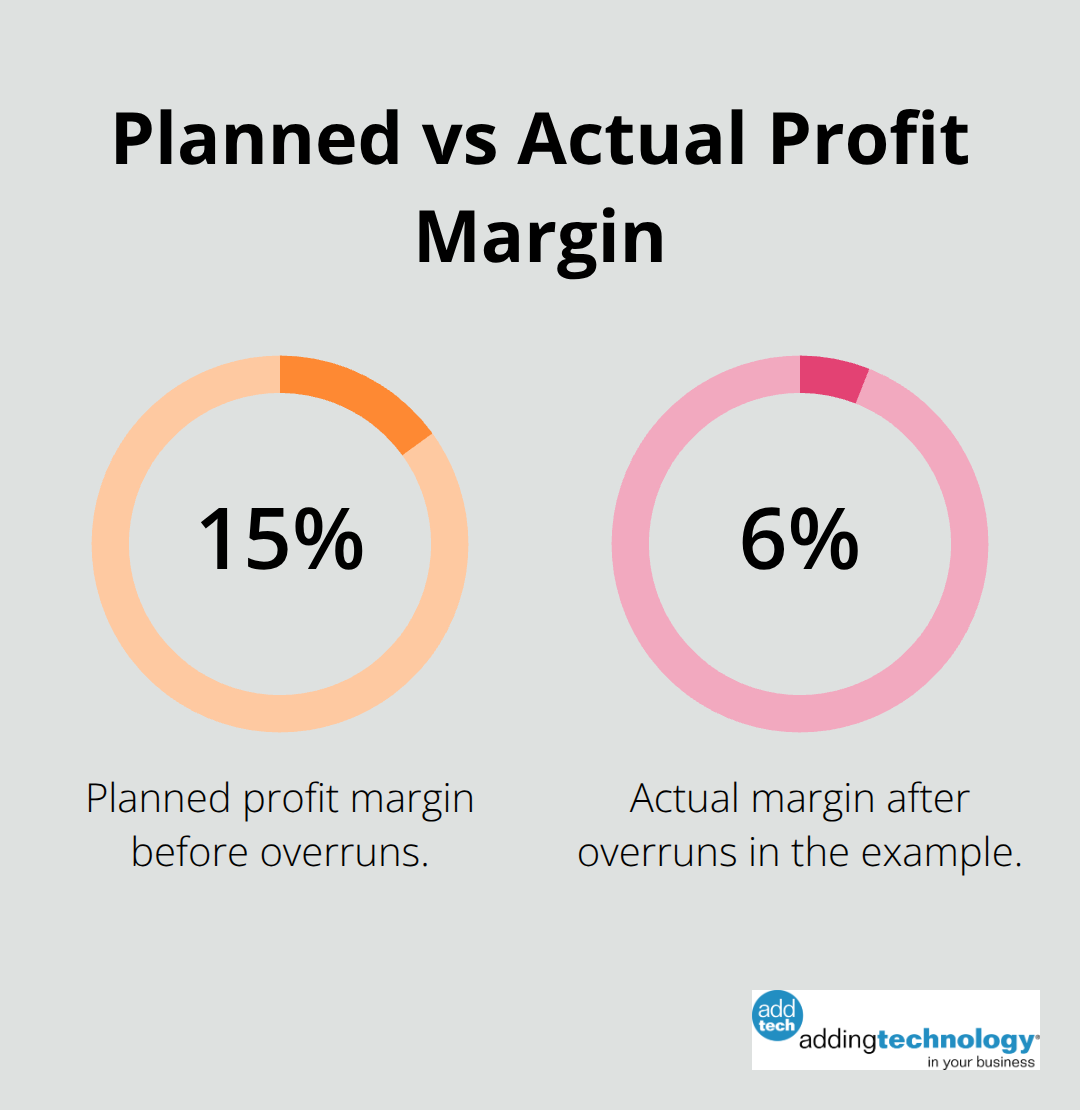
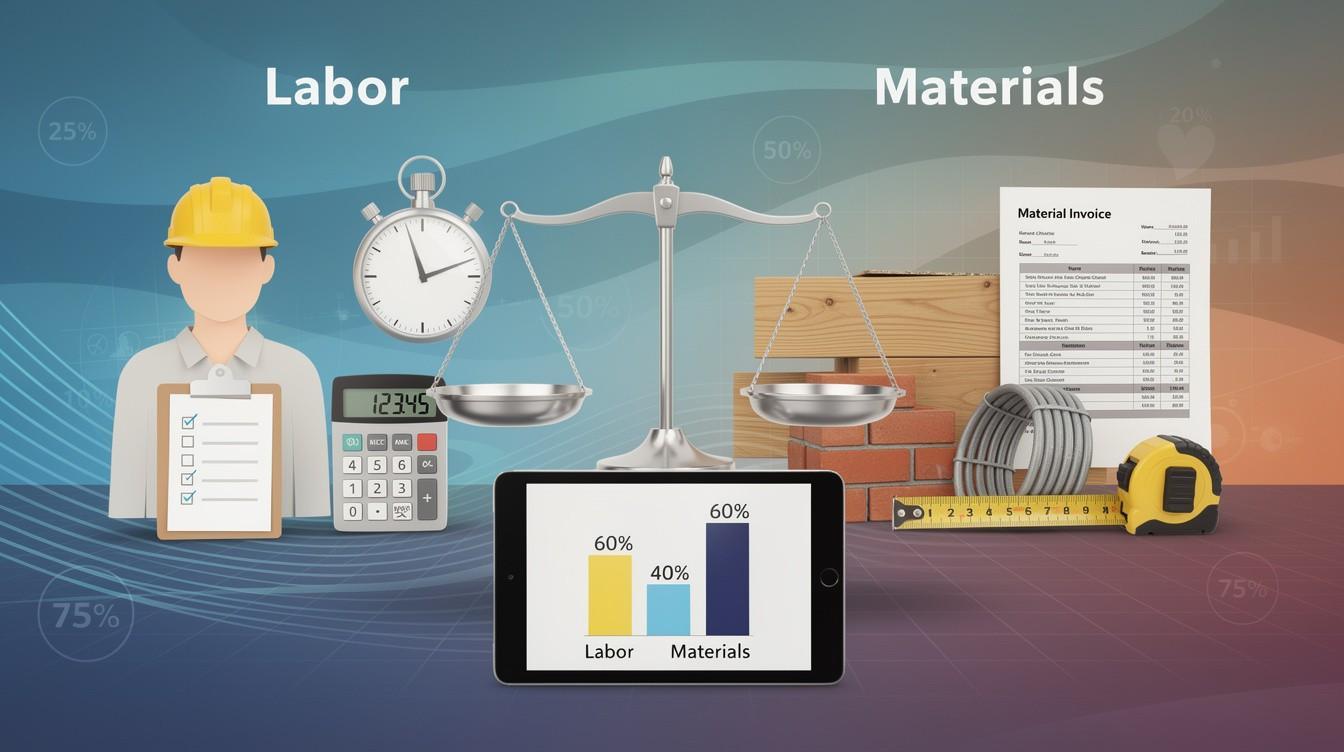
Most contractors operate blind until the invoice goes out. You estimate labor at 200 hours, materials at $15,000, and equipment rental at $8,000. Three weeks later, the job finishes and you pull the numbers. Labor actually ran 240 hours. Materials topped $18,500. Equipment costs climbed to $10,200. Your 15% profit margin just became 6%. This isn’t unusual-it’s standard practice in construction, and it’s why so many contractors struggle with cash flow and profitability.
Real-time project costing eliminates this guessing game. When you track costs as they happen, you see exactly where your money goes the moment it leaves your pocket. Research shows that firms using real-time profitability tracking can enhance the accuracy of cost management. That’s not incremental improvement-that’s the difference between a healthy business and one that bleeds money on every job.
Stop Surprises Before They Start
Cost overruns don’t happen overnight. They creep in through small decisions: a crew works two extra days, material prices spike, equipment sits idle waiting for inspections, or a subcontractor’s invoice arrives higher than quoted. Without real-time visibility, you don’t see these problems until the job closes. With real-time tracking, you spot budget drift within days, not weeks. One contractor using real-time dashboards caught a labor overrun on day five of a ten-day job and adjusted staffing the next morning, saving $4,200. Another identified that a material supplier was consistently delivering above quoted prices and switched vendors before the next job started. These aren’t hypothetical wins-they’re the direct result of seeing your numbers when they matter. Real-time cost control systems help anticipate actual costs and prevent budget overruns through identifying underperforming work early.
Make Decisions With Actual Data
Job site decisions happen fast. A foreman asks whether to bring in extra labor to finish on schedule. A project manager wonders if you can absorb a client change order without killing profitability. An estimator needs to price the next similar job accurately. Without real-time data, these decisions rely on memory, assumptions, or gut feel. With it, you have facts. You know exactly what labor costs have run so far this week, what your material spend is tracking toward, and whether scope creep is eating your margin. This matters because construction margins are thin. A 5% overrun on a $500,000 job costs $25,000. Real-time costing lets you catch that overrun at 1% and course-correct before it becomes a disaster.
Track the Metrics That Matter
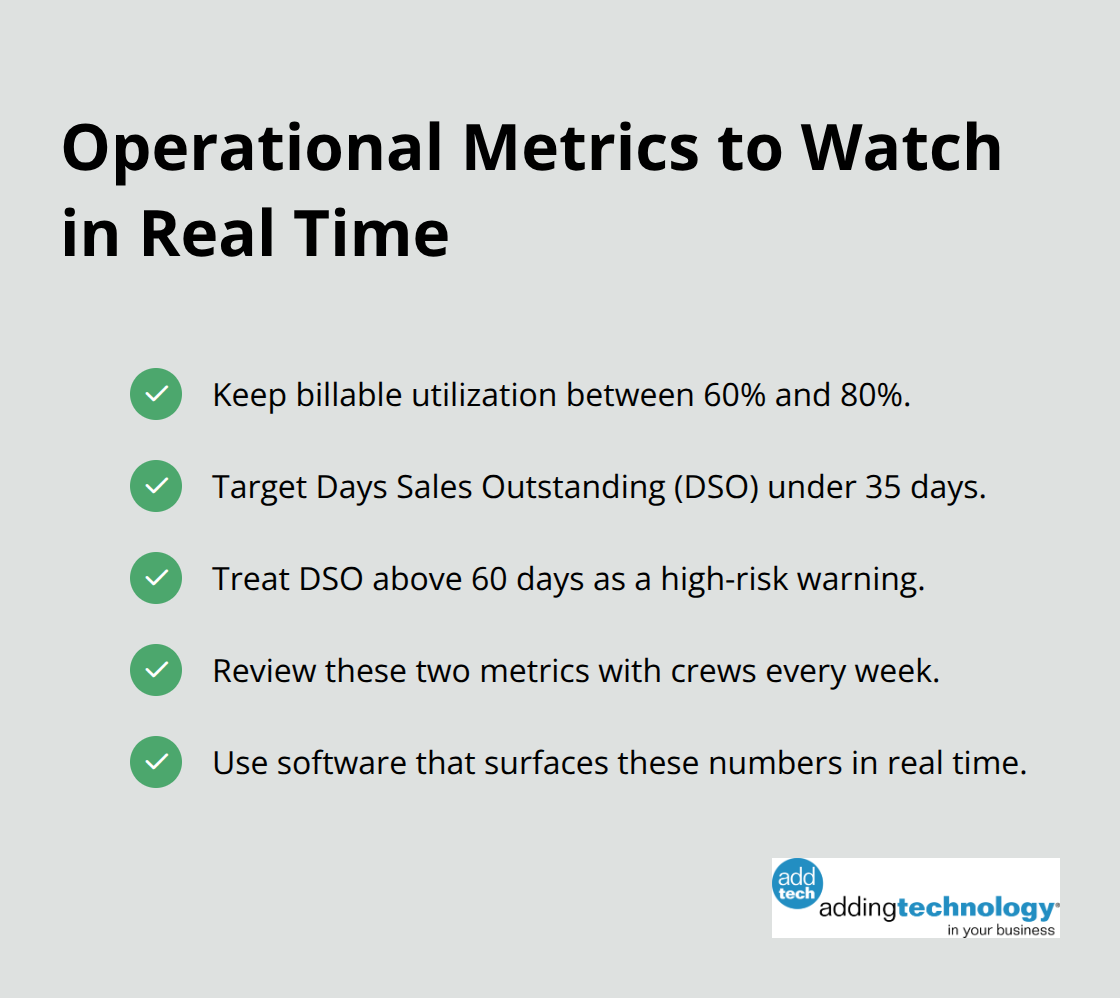
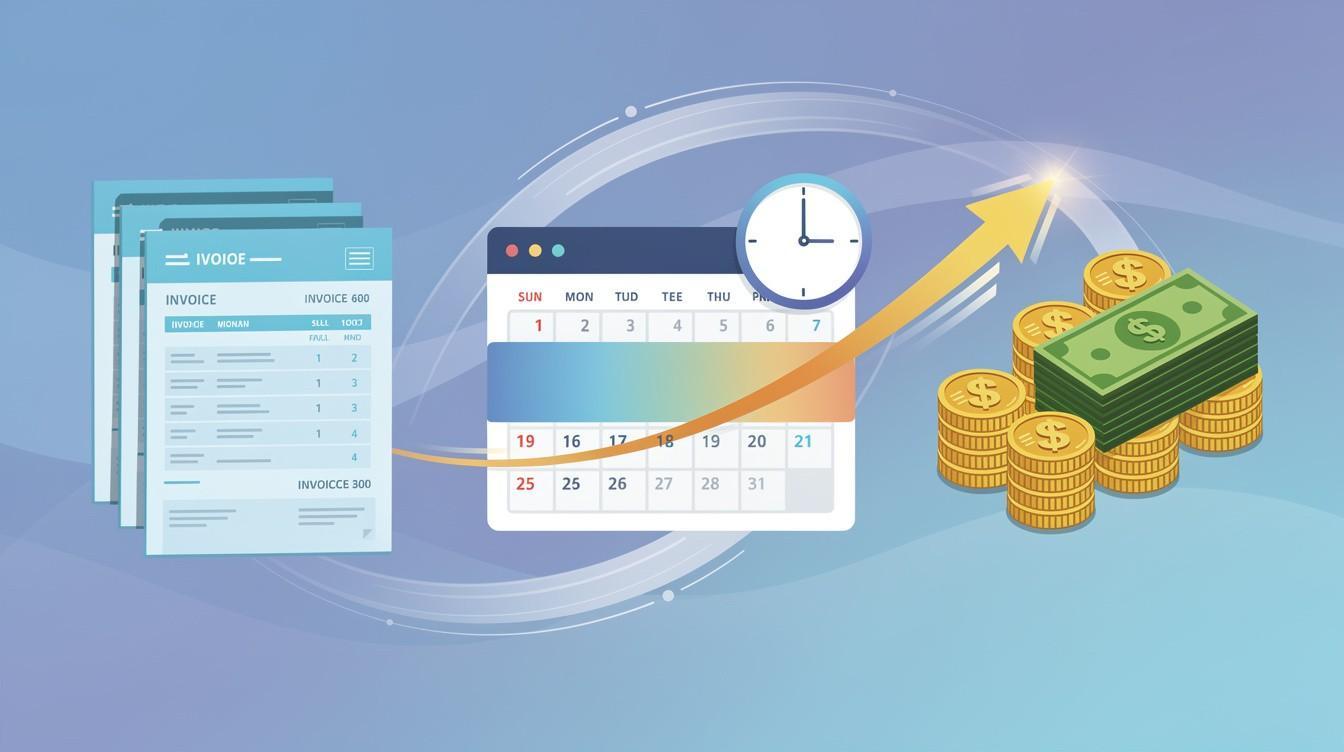
Try to keep your billable utilization in the 60% to 80% range. This balance keeps teams focused on revenue work while maintaining capacity for necessary non-billable tasks. Watch your Days Sales Outstanding metric closely-keep it under 35 days, because anything above 60 days signals serious operational friction and cash flow risk.
These two metrics alone tell you whether your projects are actually making money or just keeping you busy. When you see them in real time, you shift from reacting to problems to preventing them. The next step is choosing the right software to capture this data and put it in your hands.
How Real-Time Project Costing Works
Real-time project costing connects three essential systems: your time tracking, your accounting software, and your job data. When a crew member logs hours, when you receive a material invoice, or when equipment rental charges post, these costs flow directly into your job costing system. Instead of waiting for month-end reconciliation, you see the numbers update within hours or even minutes.
Electronic Timesheets Eliminate Double Work
Electronic timesheets eliminate double data entry that wastes time and creates errors. Your accounting system talks to your job costing tool, pulling in labor costs, material purchases, and equipment expenses the moment they’re recorded. This creates a single source of truth.
Integration Creates Automatic Updates
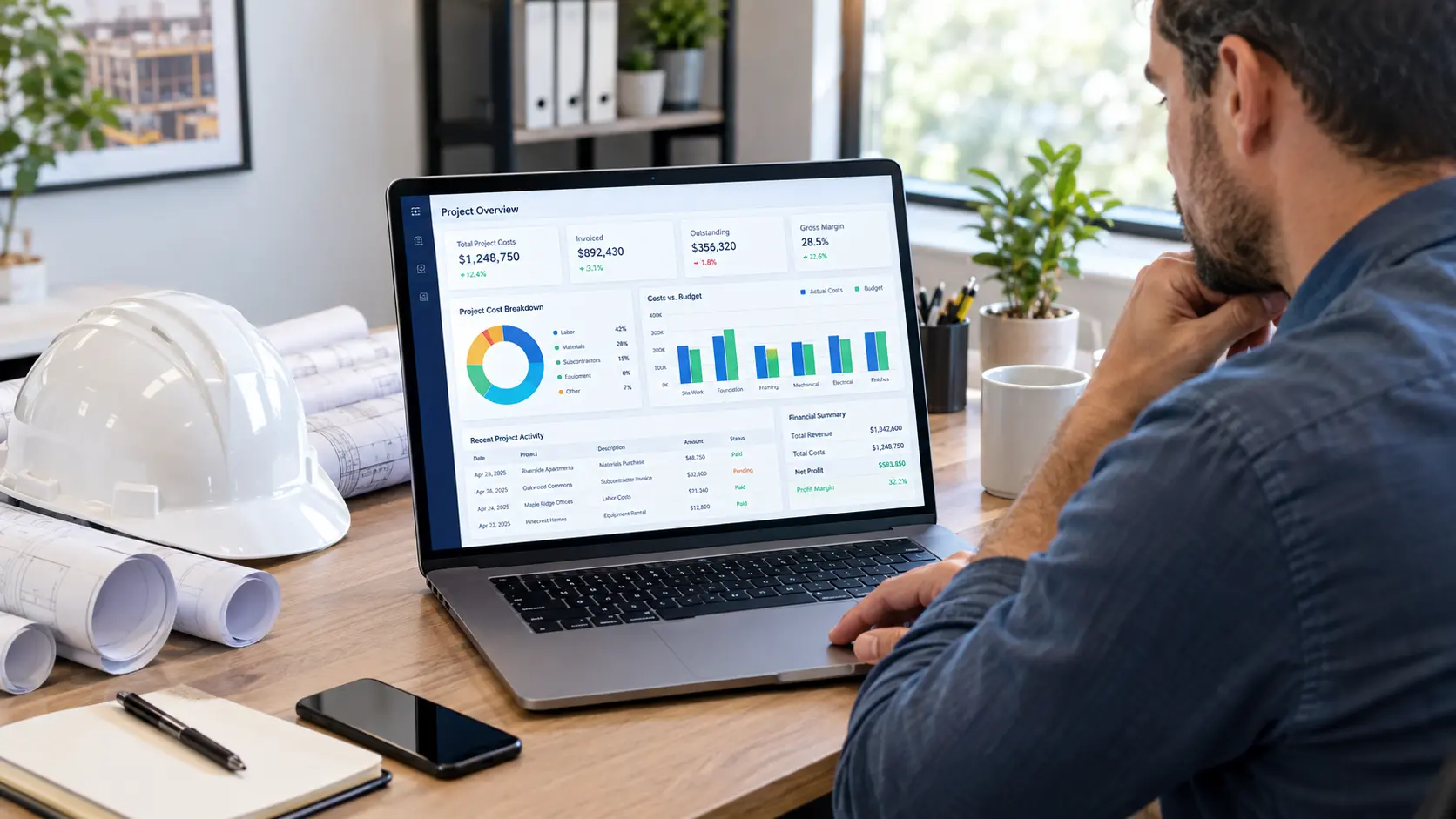
The technical foundation matters here. Real-time systems require your accounting software, time tracking platform, and job management tool to communicate automatically. When they’re properly integrated, labor costs and expenses update automatically, giving you instant visibility into whether each project tracks toward budget or drifts off course. You access this data through dashboards that show your project margin, billable utilization, and cost variances in seconds.
Mobile Access Keeps You Connected
Mobile access is essential because your cost data needs to be available on tablets and phones, not just office computers. Real-time cost tracking for construction projects captures all elements-purchases, stock, labor, and subcontractor invoices-in real time, so nothing slips through the cracks. The system also lets you compare estimates versus actuals at any point in the project, not just at the end. If you estimated 200 hours and you’re already at 180 with two weeks left, you adjust staffing immediately instead of discovering the overrun after the job closes.
This real-time visibility transforms how you respond to cost changes. The next step is choosing the right software to capture this data and put it in your hands.
Implementing Real-Time Project Costing in Your Business
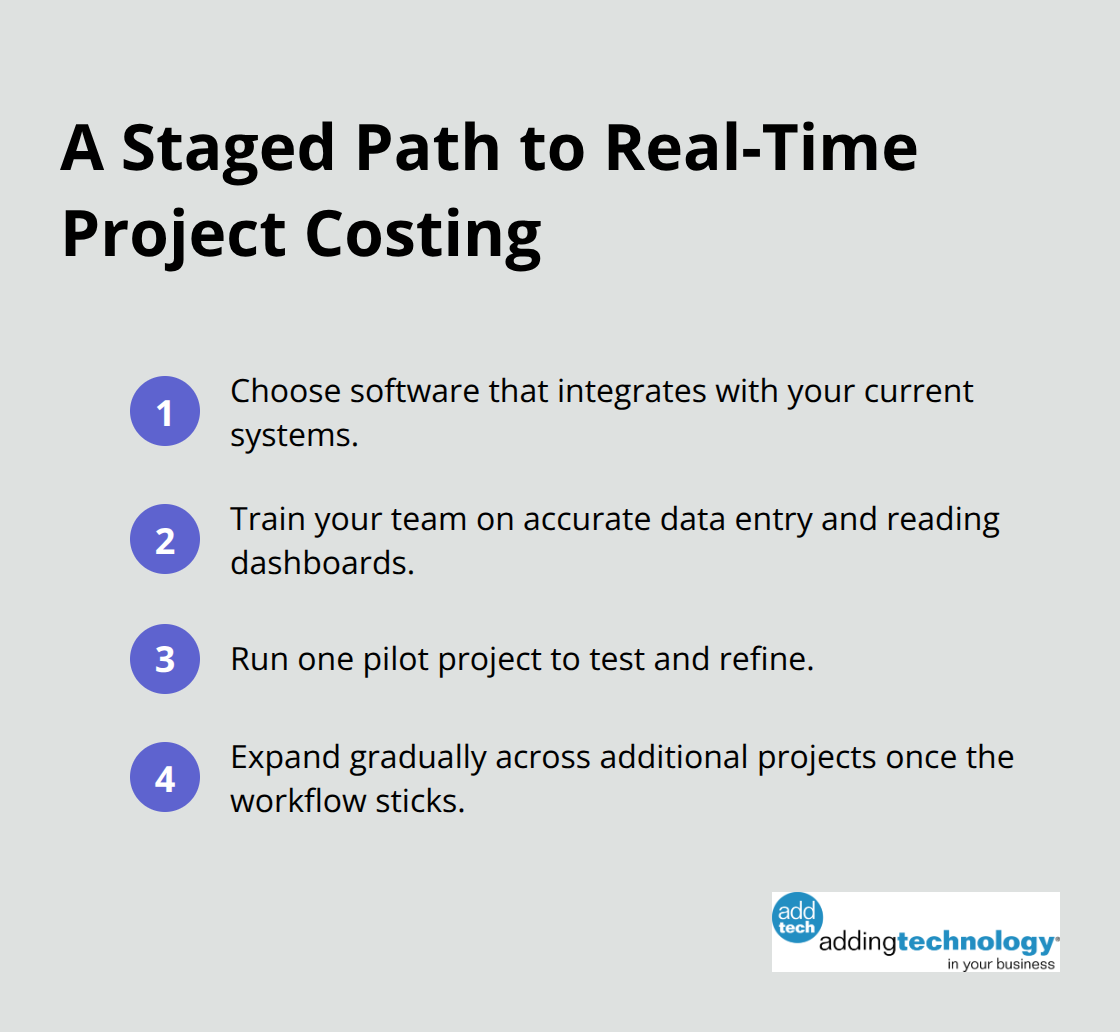
Real-time project costing requires three things: the right software, team buy-in, and a practical testing approach. Most contractors fail because they try to overhaul everything at once instead of building momentum with a single project. A staged approach reduces risk and proves value before you scale across all jobs.
Choose Software That Integrates With Your Existing Systems
The software you select must integrate directly with your existing accounting system and time tracking tools. If your team logs hours in one system and those hours don’t automatically flow to your job costing dashboard, you’ve created more work, not less. Look for platforms that sync labor data, material purchases, and equipment costs without manual intervention.
Electronic timesheets should post directly to both payroll and job costing simultaneously. Your accounting software should feed real-time cost data into dashboards you can access from the job site. Software integration eliminates data entry bottleneck that slows most contractors down. Many construction accounting platforms now include job costing built in, so check whether your current software already has this capability before you purchase something new. If you use QuickBooks Online, for example, job costing is available in the Plus and Advanced plans but not Essentials, so your plan level matters.
Train Your Team on Data Accuracy
Your crew needs to understand that accurate data entry directly impacts your visibility into project profitability. Hold a brief training session before you start, showing foremen and project managers how to review timesheets before they post and how to read the cost dashboards that matter to their jobs. Focus on the two metrics that drive construction profitability: billable utilization and Days Sales Outstanding.
Crews should see these numbers weekly so they understand how their work affects the business. This weekly visibility shifts your team from reactive problem-solving to proactive cost management. When people see their impact on profitability in real time, they make better decisions on the job site.
Start With One Project to Test and Refine
Select one project that’s large enough to matter but small enough to manage without disrupting your operations. A mid-sized job running three to four weeks gives you enough data to test the system without betting your business on it. Run this pilot project while your team still uses your old method in parallel. This way you can compare the old approach to the new one and catch any integration gaps before they cost you money.
During this pilot, watch for three things: whether cost data flows automatically from your time tracking system, whether the dashboards actually show you the information you need to make decisions, and whether your team uses the system or reverts to spreadsheets. If any of these three breaks down, you’ve identified a real problem before scaling.
Expand Gradually Across Your Projects
Most contractors complete their first pilot project and immediately want to expand to all active jobs. Resist that urge. Run two or three pilot projects and refine your process based on what you learned. The third project will show you whether your team has internalized the workflow and your software integration is dialed in. Only then should you commit to real-time project costing across your entire business.
Final Thoughts
Real-time project costing transforms how you operate by showing cost drift the moment it occurs instead of weeks later. Firms using real-time cost tracking recover 15% to 40% more billable hours and achieve 3% to 5% higher project margins-these gains come from seeing your numbers when they matter and acting before problems spiral. Your team makes smarter decisions because they receive instant feedback on how their work affects profitability.
Taking control of your project economics starts with selecting software that integrates with your existing systems, training your team on accurate data entry, and testing the approach on one project before scaling across all jobs. This staged method reduces risk and builds internal momentum while you prove the value before committing to real-time project costing across your entire business. You shift from reacting to problems to preventing them.
We at adding technology help contractors build the financial foundation that supports growth. Contact us to implement real-time project costing and gain the visibility you need to protect your margins and operate with confidence.