Project budgets fail for one reason: teams skip the planning phase. At adding technology, we’ve seen countless projects derail because stakeholders didn’t define project budget parameters upfront.
Getting your budget right from the start prevents costly mistakes later. This guide walks you through the exact steps to build a realistic budget that actually works.
Understanding Your Project Scope and Requirements
Your project scope defines everything that costs money. The difference between projects that stay on budget and those that spiral comes down to one thing: knowing exactly what you’re delivering. Start by listing every single deliverable, not in vague terms but in concrete outputs. If you’re renovating a building section, that means specific square footage, material grades, labor hours, and equipment rentals. If you’re developing software, that means defined features, integration points, and testing phases. The more granular you get here, the fewer surprises hit your budget later. Teams that document deliverables in a work breakdown structure reduce cost overruns by clarifying what work actually needs to happen and preventing scope creep before it starts.
Break Down All Project Deliverables
Your project scope defines everything that costs money. The difference between projects that stay on budget and those that spiral comes down to one thing: knowing exactly what you’re delivering. Start by listing every single deliverable, not in vague terms but in concrete outputs. If you’re renovating a building section, that means specific square footage, material grades, labor hours, and equipment rentals. If you’re developing software, that means defined features, integration points, and testing phases. The more granular you get here, the fewer surprises hit your budget later. Teams that document deliverables in a work breakdown structure reduce cost overruns by clarifying what work actually needs to happen and preventing scope creep before it starts.
Identify Resource Needs and Labor Costs
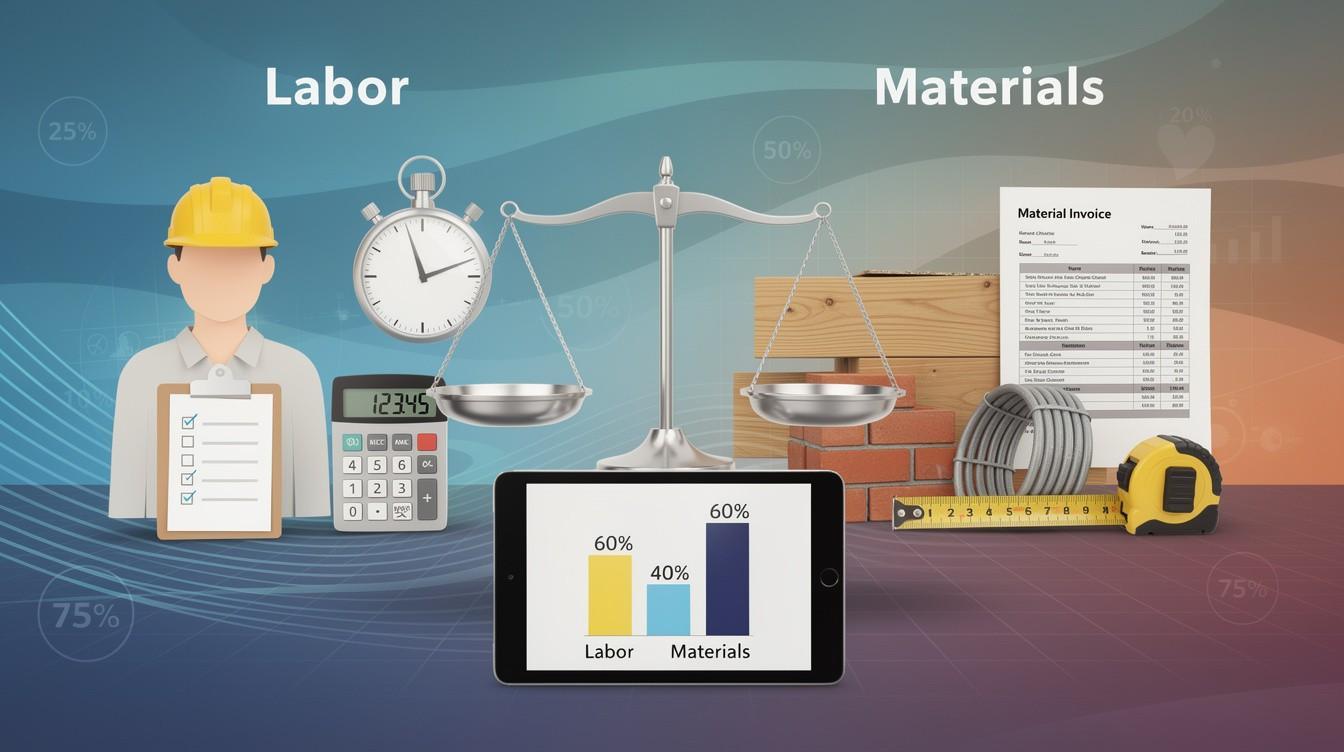
Labor is a significant component of project budgets in construction and skilled trades. Don’t estimate labor costs through guessing; instead, break down tasks by skill level and hourly rate. A project manager costs differently than a laborer, and both differ from specialized trades. Calculate not just wages but also payroll taxes, benefits, overtime premiums, and training time. Onboarding new crew members or cross-training staff adds real cost that many teams overlook. Equipment and materials come next. If you rent versus buy equipment, the math changes based on project duration; a two-week rental differs from owning something outright. Get actual quotes from suppliers rather than using industry averages, because material prices shift monthly and regional differences matter.
Account for Material and Equipment Expenses
Overhead gets ignored too often. Office space allocation, utility costs, software subscriptions, and administrative staff supporting the project all belong in your budget. If your team operates from a shared workspace, allocate a proportional cost. These indirect expenses typically add 15 to 25 percent to direct costs, and missing them creates a false picture of project profitability. Hidden expenses live in two places: things you forgot to include and things that change after planning starts. Most projects experience scope changes, and without a clear change order process, those changes silently inflate costs.
Market fluctuations hit hard in construction and materials sourcing. Steel, lumber, and labor rates move monthly, sometimes weekly. If your project runs six months or longer, lock in supplier contracts early and build a contingency buffer of 5 to 15 percent depending on market volatility and project complexity. Document every assumption you made during budgeting so you can spot what actually changed versus what you miscalculated. This transparency helps you negotiate with stakeholders when adjustments become necessary and sets the stage for the estimation strategies that follow.
Building Estimates That Survive Reality
Anchor Estimates to Historical Project Data
Historical project data is your most reliable tool, yet most teams treat it like an afterthought. Pull data from three to five similar past projects completed within the last two years, then adjust for inflation and scope differences. If a crew framed 2,400 square feet in 40 labor hours on a residential project eighteen months ago, and material costs have risen 8 percent since then, you have a concrete anchor for your current estimate. This approach works because it grounds your numbers in what actually happened, not what you hope will happen.
Parametric estimating uses mathematical models and statistical relationships to calculate project costs, duration, and resource requirements. Construction firms using parametric data reduce estimate variance by 10 to 20 percent compared to gut-feel estimates because the math is repeatable and transparent. Document your assumptions explicitly: labor rates, material unit costs, crew productivity, and weather delays. When actuals diverge from estimates, you’ll know whether the problem was a bad assumption or a genuine change.
Set Contingency Reserves as Required Mathematics
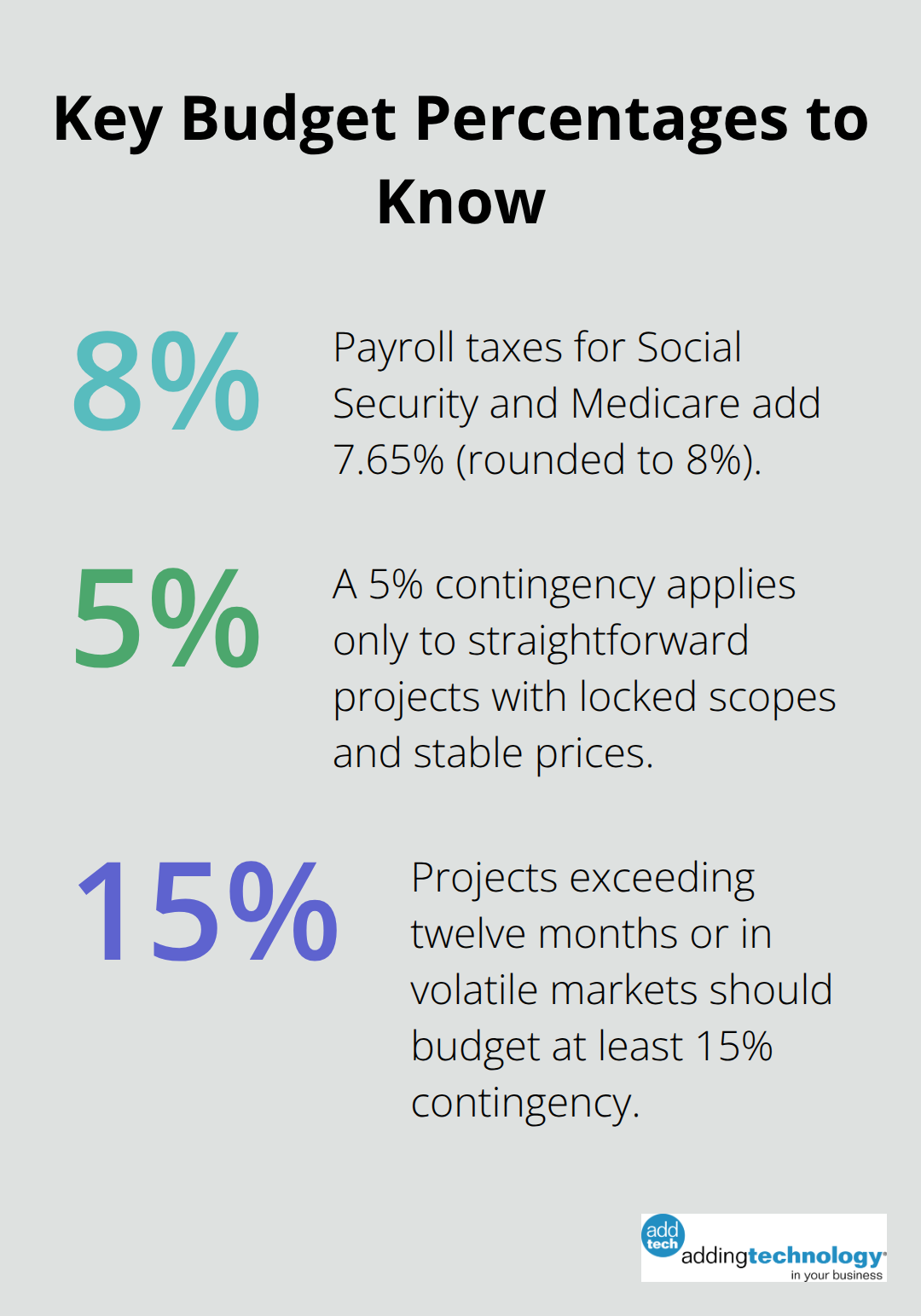
Contingency reserves are not optional insurance; they’re required mathematics. A 5 percent contingency works only for straightforward projects with locked scopes and stable material prices. Most construction projects face market swings, unforeseen conditions, or minor scope adjustments, demanding 10 to 15 percent contingency. Projects in volatile markets or those exceeding twelve months should budget 15 percent minimum.
Set the reserve aside in your accounting system as a separate line item, not buried in task costs, so you see exactly when and why you tap it. This separation prevents teams from treating contingency as free money to spend on scope creep. Instead, it becomes a strategic buffer that protects your margins when conditions shift.
Monitor Spending Through Regular Budget Reviews
Regular budget reviews catch problems before they become catastrophes. Monthly reviews of actual spending versus planned spending let you reforecast with current data rather than stale assumptions. If you’re 30 percent through the project timeline but 45 percent through your budget, the remaining work will exceed your reserve unless conditions change.
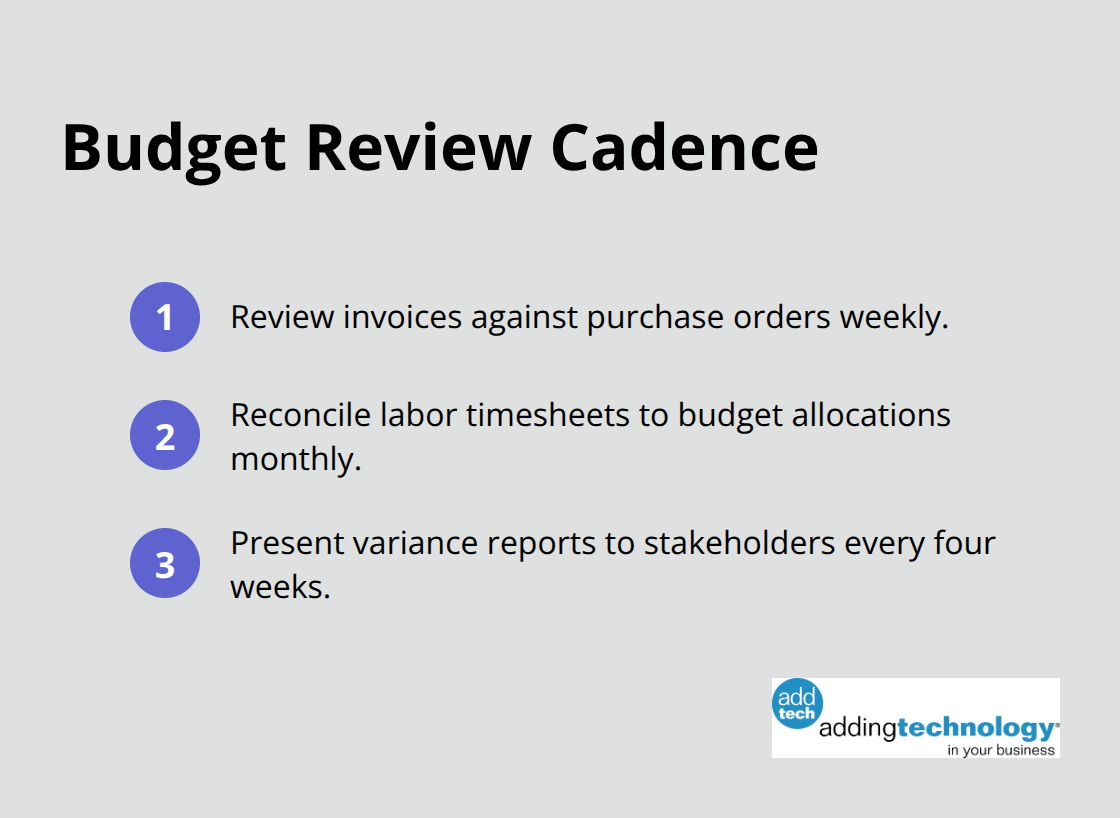
Establish a rhythm: review invoices against purchase orders weekly, reconcile labor time sheets to budget allocations monthly, and present variance reports to project stakeholders every four weeks. Use real numbers from your accounting software-not estimates or approximations.
This discipline transforms contingency reserves from emergency funds into strategic buffers that actually protect your margins and reveal where your estimation assumptions broke down.
With accurate estimates locked in place and contingency reserves properly sized, you now face the reality that projects rarely follow the plan exactly. The next section addresses the mistakes that teams make when they ignore these estimation fundamentals and how to recover when costs start climbing.
Where Budget Estimates Break Down
Labor Costs Hide in Plain Sight
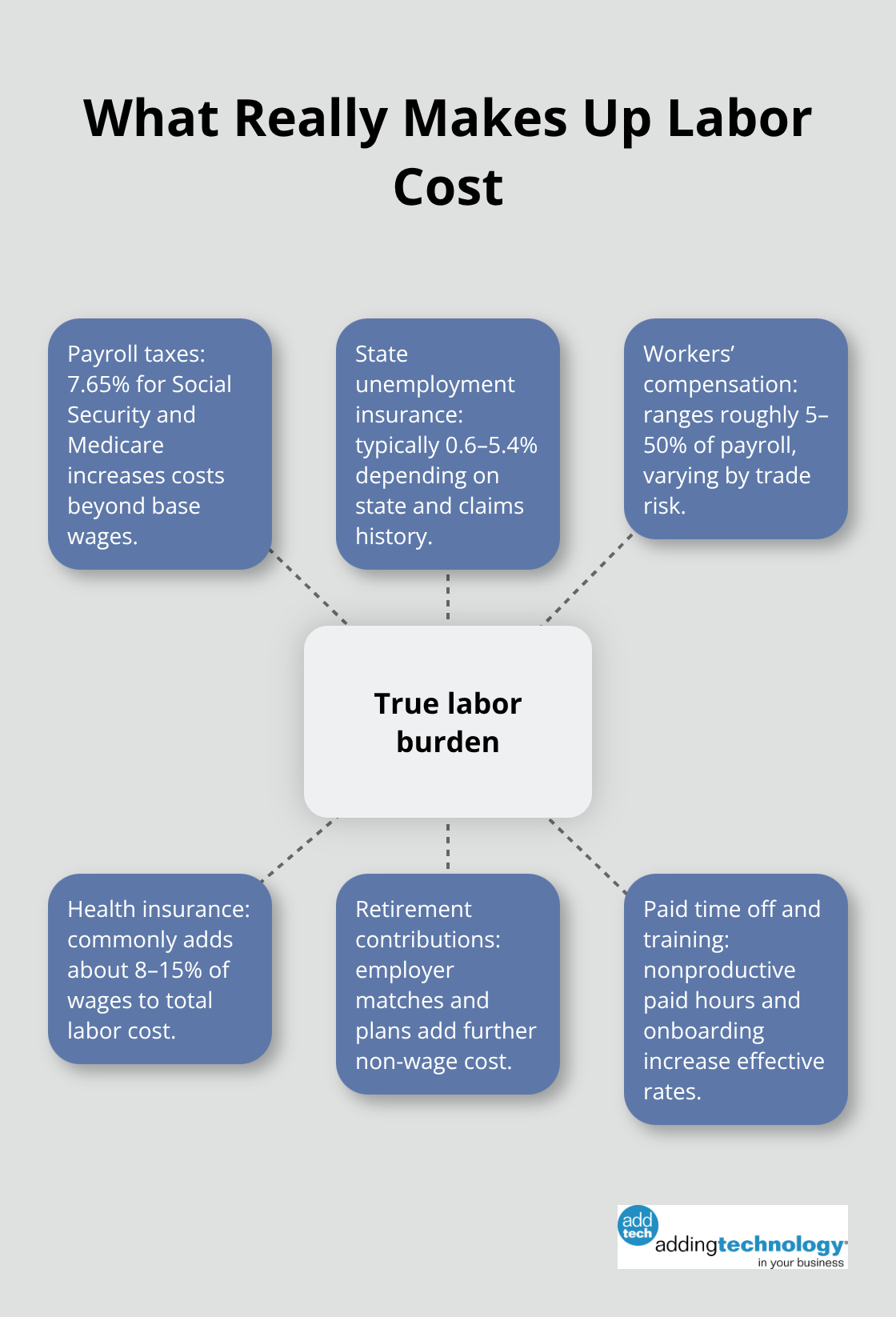
Labor costs extend far beyond hourly wages, and most teams discover this truth too late. The mistake isn’t overlooking labor entirely; it’s underestimating what labor actually costs beyond the base rate. Payroll taxes add 7.65 percent for Social Security and Medicare, plus state unemployment insurance ranging from 0.6 to 5.4 percent depending on your state and claims history. Workers compensation insurance varies wildly by trade but runs 5 to 50 percent of payroll depending on whether you employ roofers or office staff.
Health insurance at 8 to 15 percent of wages, retirement contributions, and paid time off push your true labor cost to 25 to 40 percent above base wages. A crew member earning 50 dollars per hour actually costs you 62 to 70 dollars when you include the full burden.
Overhead Allocation Demands Real Numbers
Overhead allocation gets worse because teams forget it exists. Office staff salaries, vehicle maintenance, insurance premiums, software subscriptions, and facility costs don’t disappear when projects run; they sit in the background consuming budget. Most teams allocate overhead as a percentage of direct labor, typically 15 to 25 percent, but this works only if your historical data actually supports it. Pull your last three years of P&L statements and calculate your actual overhead rate by dividing total indirect costs by total direct labor. You might discover your overhead runs 30 percent instead of 20 percent, which changes every estimate you make going forward.
Change Orders and Scope Creep Cost Real Money
Hidden expenses emerge from change orders and scope creep that nobody formally documents. A client requests a material upgrade mid-project, site conditions differ from initial assessment, or supply chain delays force equipment rental extensions. Without a formal change order process, these costs accumulate invisibly until the project ends over budget and nobody can explain why. Implement a written change order requirement where any scope modification gets documented with cost impact before work starts. This discipline prevents silent cost growth and forces stakeholders to acknowledge the financial impact of their requests.
Market Volatility Demands Contract Locks
Market fluctuations in materials and labor rates demand contract locks and contingency sizing that reflects actual volatility. Construction input prices have experienced significant swings in recent years, with iron and steel costs showing particular volatility. If your project extends beyond four months, lock in supplier pricing through written contracts rather than accepting spot market rates. For longer projects, negotiate escalation clauses that cap price increases rather than accepting unlimited exposure. The contingency reserve becomes your real protection here; projects in volatile commodity markets need 15 to 20 percent contingency minimum, not the 5 to 10 percent that works for stable environments.
Final Thoughts
Successful project budgeting rests on three foundations: defining your scope with precision, anchoring estimates to real historical data, and protecting your margins with properly sized contingency reserves. When you define project budget parameters upfront and document every assumption, you eliminate the guesswork that derails most projects. The teams that stay on budget aren’t smarter; they’re disciplined about capturing actual costs from past work and applying those lessons to new projects.
Your budget lives or dies based on the systems you use to track it. Monthly variance reports comparing actual spending to planned spending catch problems while you still have time to adjust. Weekly invoice reviews against purchase orders prevent surprises from accumulating, and real-time dashboards showing labor hours, material costs, and overhead allocation give you visibility that gut-feel management never provides. Without these systems, you’re flying blind and discover budget problems only when the project ends.
Start implementing today by pulling historical data from your last three completed projects, calculating your actual overhead rate from your P&L statements, and establishing a formal change order process. Set your contingency reserve based on project complexity and market conditions, not wishful thinking. If financial management pulls focus from your core work, adding technology streamlines accounting systems and job costing so you can concentrate on delivering projects.