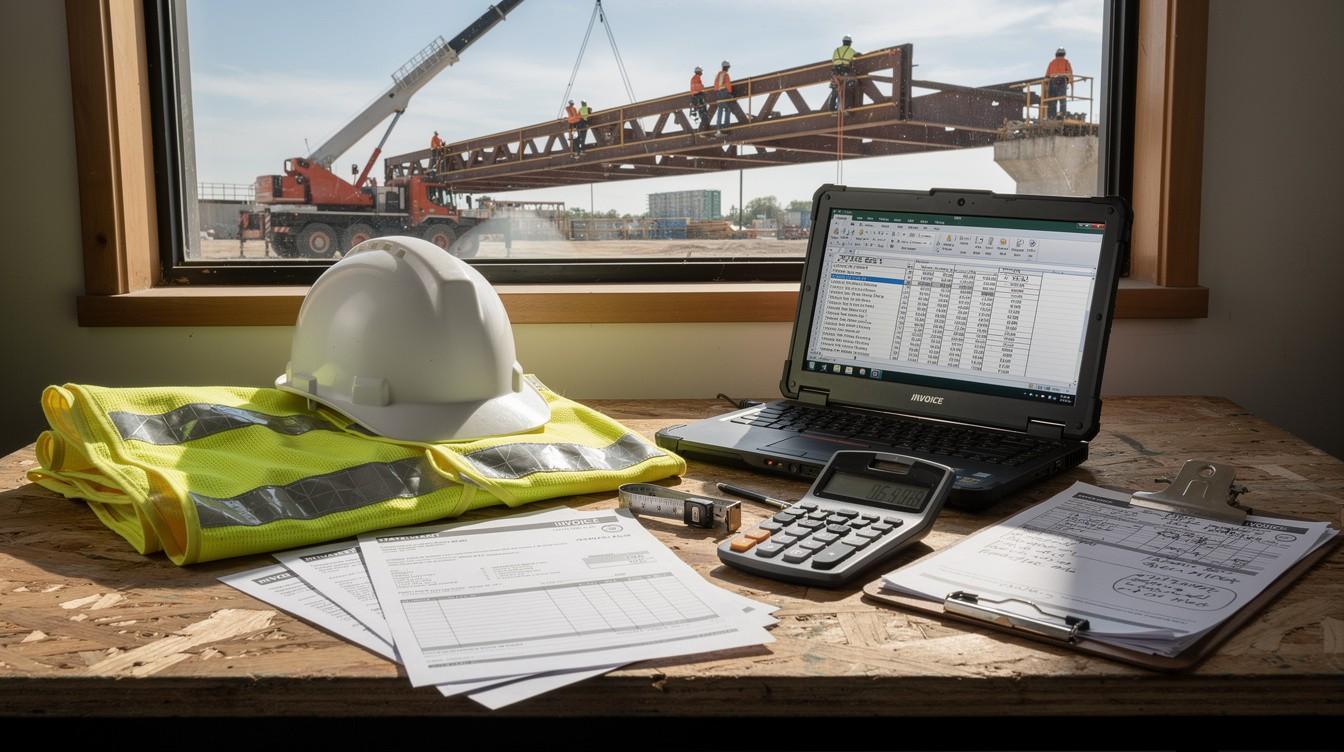
Most construction companies we work with at adding technology can’t answer a simple question: where exactly is the money going on each project?
Costs hide in vendor invoices, subcontractor bills, and field expenses scattered across spreadsheets and email threads. By the time you realize you’re over budget, it’s too late to course-correct.
Project cost visibility changes this. Real-time tracking lets you see every dollar as it’s spent, catch problems early, and make smarter decisions about where your money actually goes.
Why You Lose Money Before You Notice
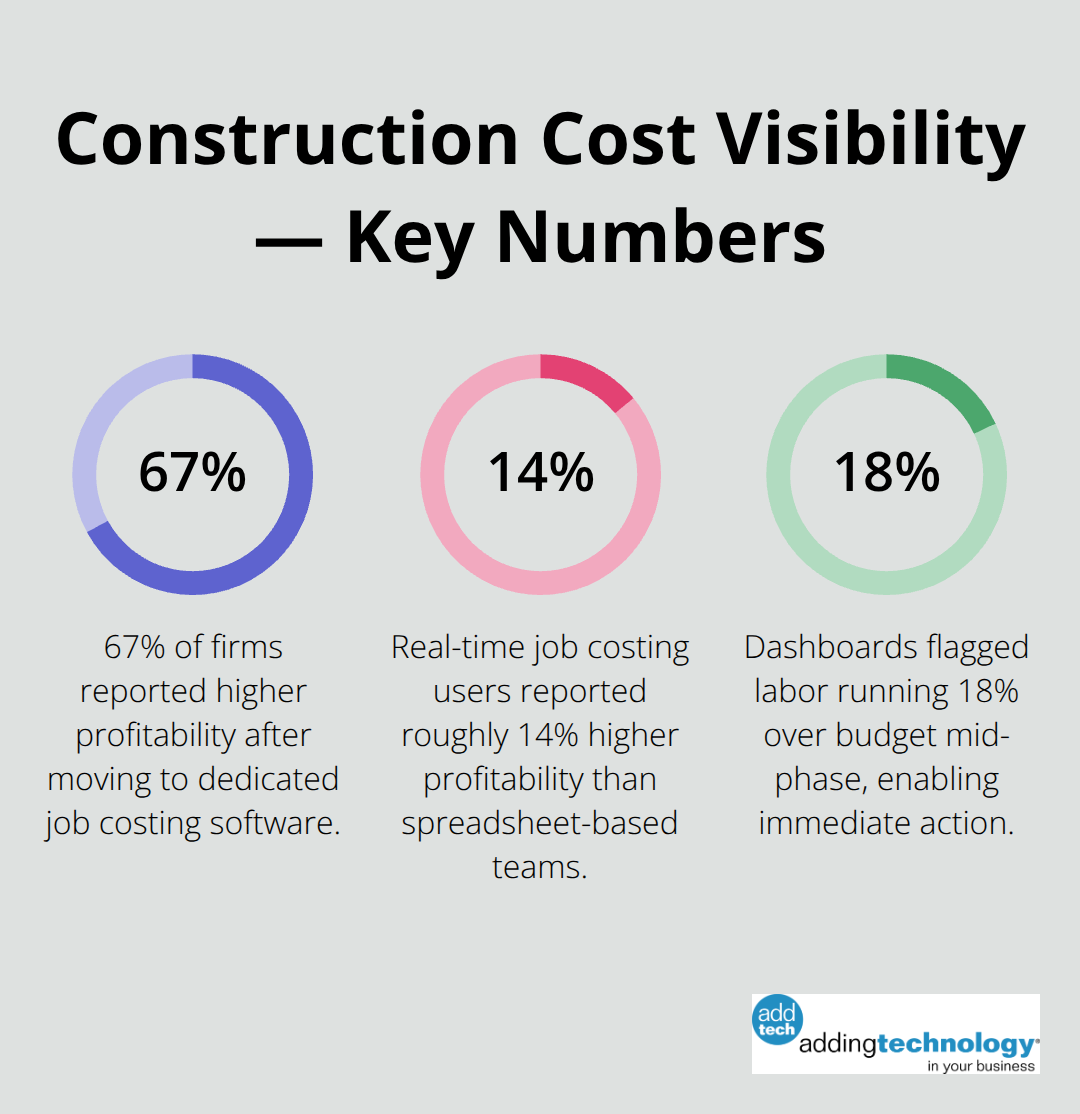
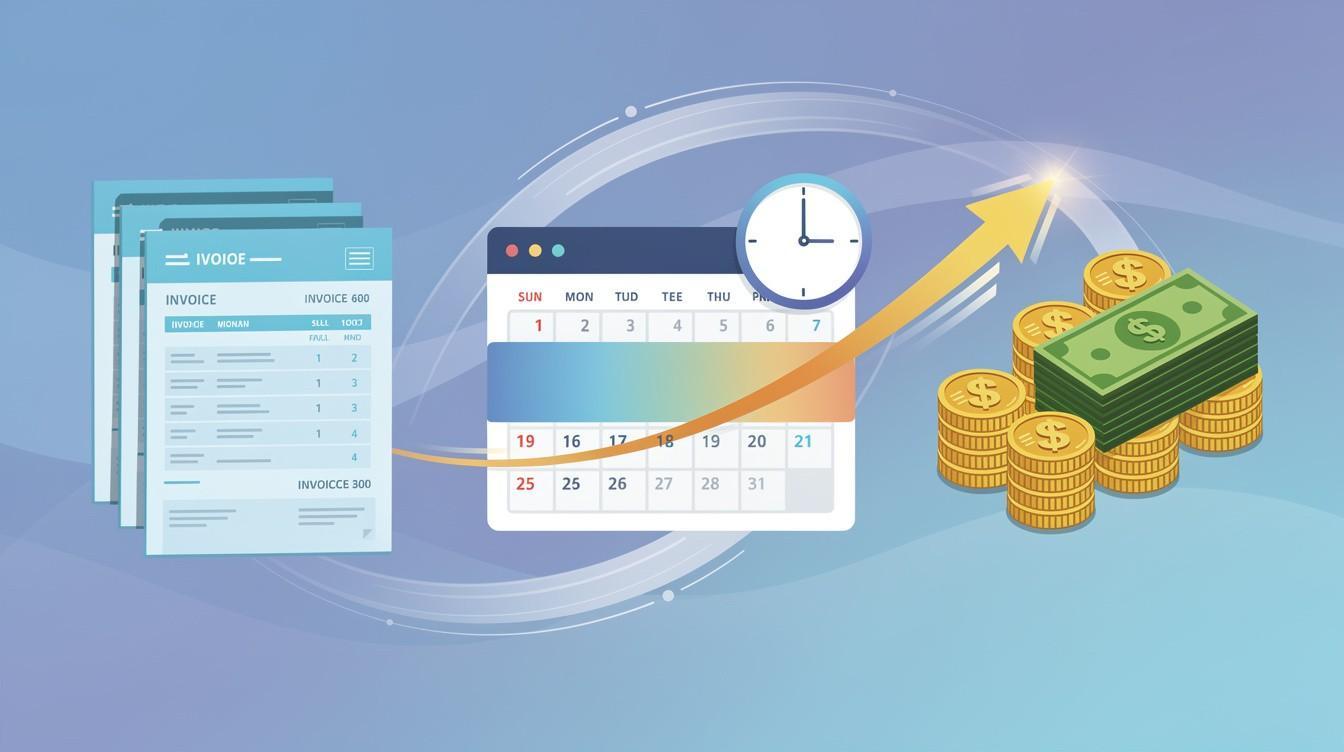
Spreadsheets scattered across email inboxes, vendor invoices arriving weeks after work completes, subcontractor bills showing up on different dates-this is how construction companies hemorrhage profit without realizing it. The problem isn’t laziness or poor management. Traditional tracking methods create a time lag between when money leaves your account and when you actually see it reported. 67% of firms reported higher profitability after moving to dedicated job costing software, which means most contractors operate blind to their true costs. Hidden expenses accumulate because costs don’t announce themselves. A subcontractor requests a change order on Tuesday. Materials arrive with an unexpected freight charge on Wednesday. Your equipment gets repaired and the invoice lands in someone’s email on Friday.
Without a system capturing these in real time, each one becomes a surprise that compounds into a margin-eroding problem at month-end.
The Vendor and Subcontractor Trap
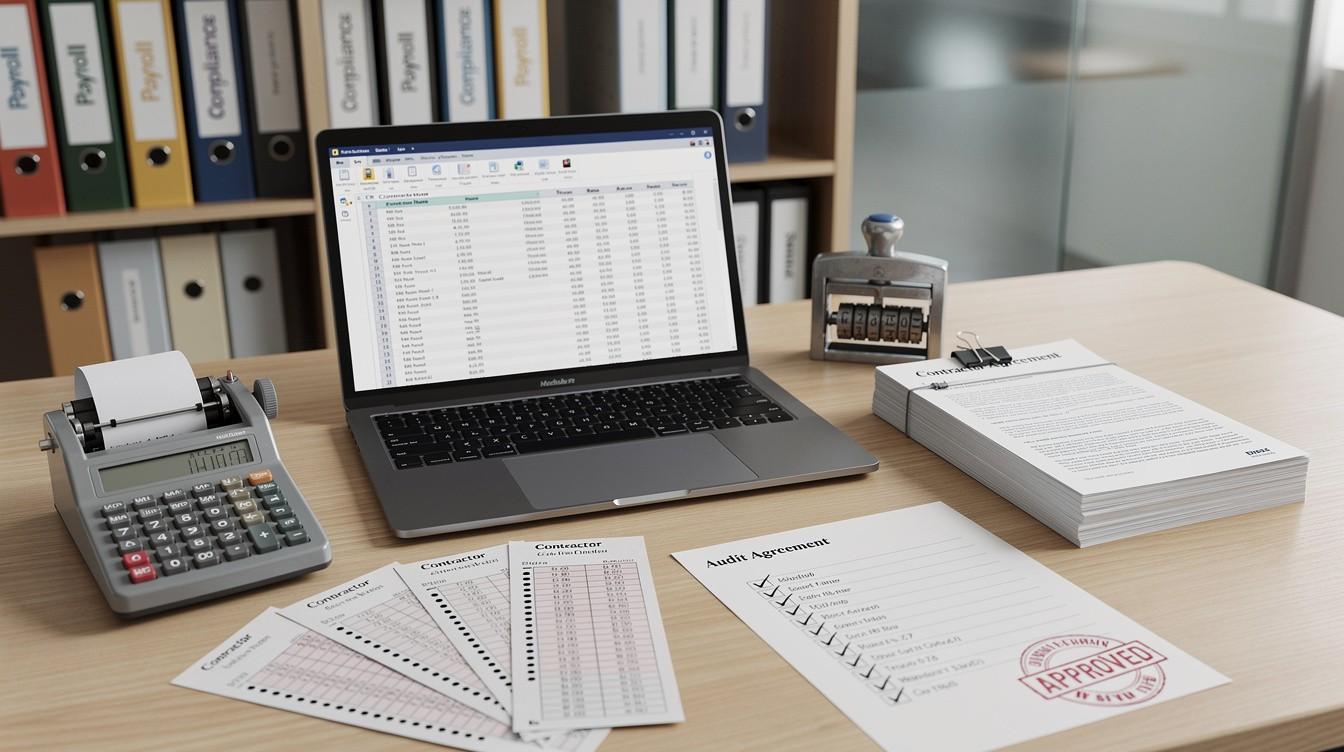
When you work with multiple vendors and subcontractors across different projects, costs fragment across systems that don’t talk to each other. One vendor sends an invoice through email, another through their portal, a subcontractor hand-delivers a timesheet, and your own team’s materials show up on a purchase order somewhere else. Manually reconciling these creates delays measured in weeks, not days. Worse, data entry errors multiply with each re-entry. One person types 2,500 into a spreadsheet when the invoice says 25,000. Another forgets to log a materials receipt entirely. These mistakes compound, and when you review project profitability, the numbers are unreliable. You make decisions based on incomplete or incorrect data, which means you bid future projects based on fiction from past ones.
Why Manual Systems Guarantee Surprises
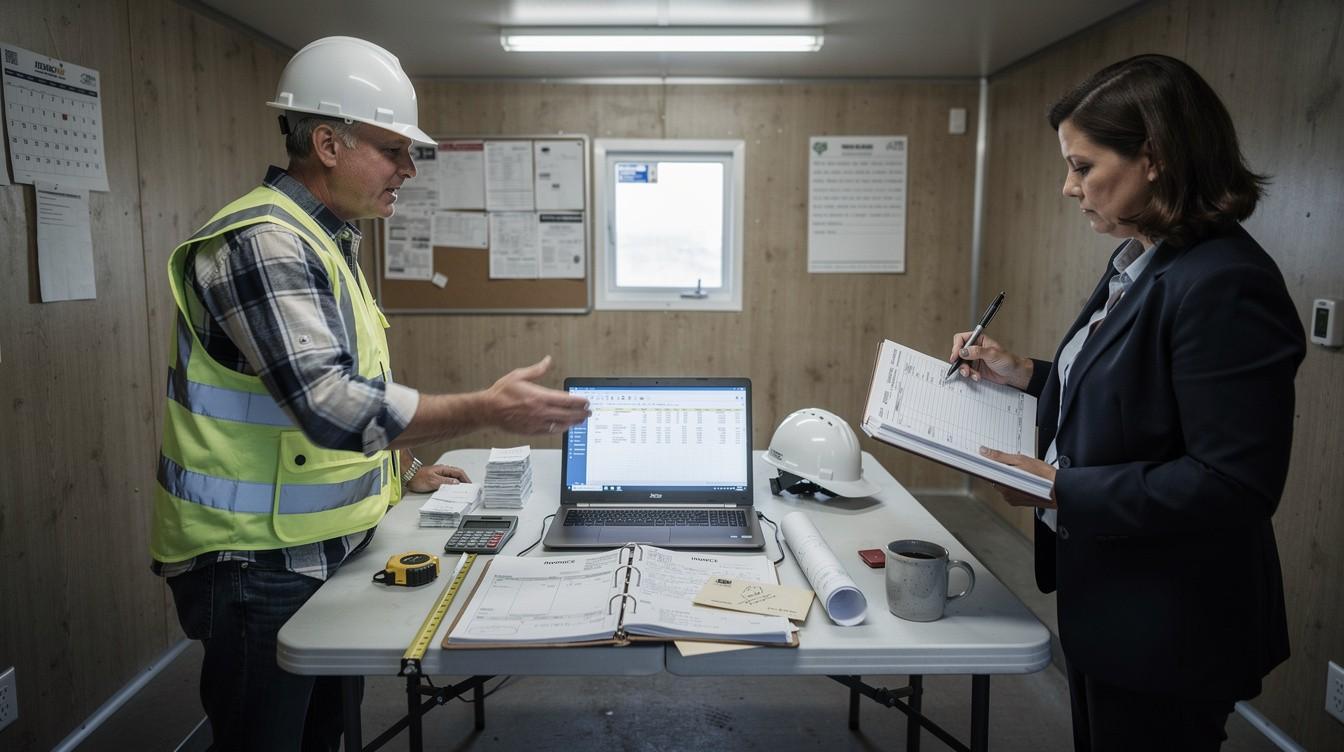
Spreadsheet-based tracking forces you to wait for information to flow upward before you act on it. Field teams finish work, submit timesheets days later, accounting processes them another day or two later, and then someone finally enters the numbers into a master spreadsheet. A week passes, spending patterns shift, and you’ve already committed to spending more money without knowing the current budget status. This delay means budget overruns catch you in the middle of a project when you’ve already spent the money, not when you still have time to adjust. The contractor managing five concurrent projects cannot maintain accuracy across five different spreadsheets with overlapping cost codes and shifting allocations. One project’s indirect costs get misallocated to another. Equipment expenses get buried under materials. Before long, no one trusts the numbers, and decisions get made on gut feeling instead of fact.
What Real-Time Visibility Actually Solves
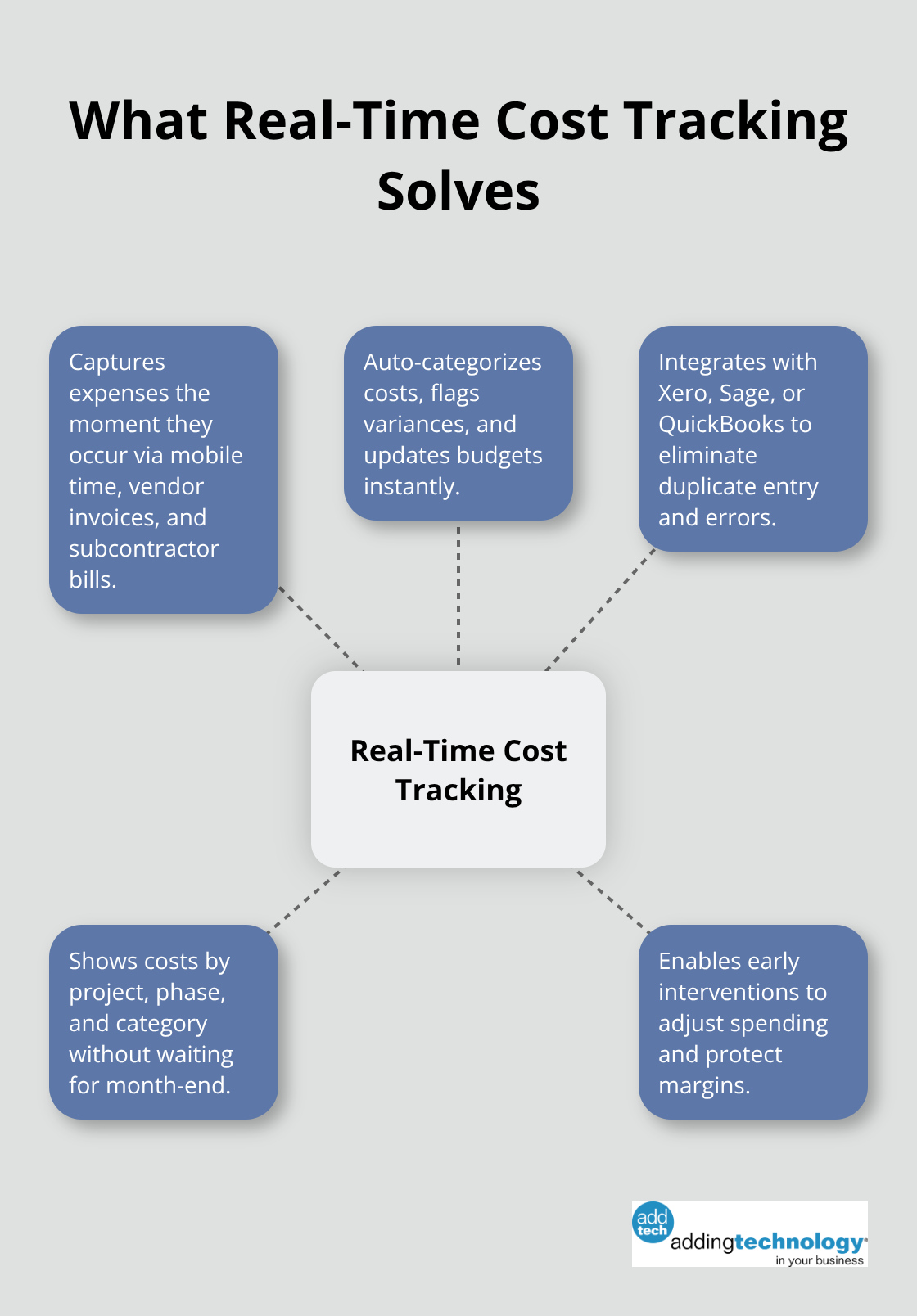
Job costing software eliminates these delays and errors. Real-time cost tracking captures expenses the moment they occur-whether a field team logs time on a mobile app, a vendor invoice arrives in your inbox, or a subcontractor submits a bill. The system automatically categorizes costs, flags variances, and updates your project budget instantly. Integration with your accounting system (whether Xero, Sage, or QuickBooks) means data flows once, not multiple times, eliminating duplicate entry and the errors that come with it. You see exactly where money goes on each project, each phase, and each cost category without waiting for month-end reconciliation. This visibility transforms how you respond to budget problems-you catch them early, adjust spending while you still can, and protect your margins before they disappear.
How to Set Up Real-Time Cost Tracking
The shift from spreadsheets to real-time tracking happens in layers, not overnight. First comes the software itself-job costing platforms that capture expenses automatically as they occur across your projects. Construction-focused systems like Deltek ComputerEase handle the heavy lifting: they categorize labor, materials, equipment, and subcontractor costs without requiring manual data entry for every transaction. When a field team logs hours through a mobile app on-site, those hours immediately feed into the job cost report. When a vendor invoice arrives, the system extracts line items automatically using AI-powered recognition, matches them against purchase orders and receipts, and flags discrepancies before payment. This automation cuts invoice processing time from days to hours and eliminates the transcription errors that plague spreadsheet workflows.
Connect Your Accounting System
The second layer is integration with your accounting system. Whether you use Xero, Sage, or QuickBooks, connecting your job costing platform means cost data syncs in both directions without duplication. Labor costs, material expenses, and equipment usage recorded in the field automatically update your general ledger, and your accounting system feeds project budgets back to the field teams so everyone sees the same numbers. This unified approach prevents the costly mistakes that happen when accounting and operations work from different versions of the truth.
Use Dashboards to Monitor Spending
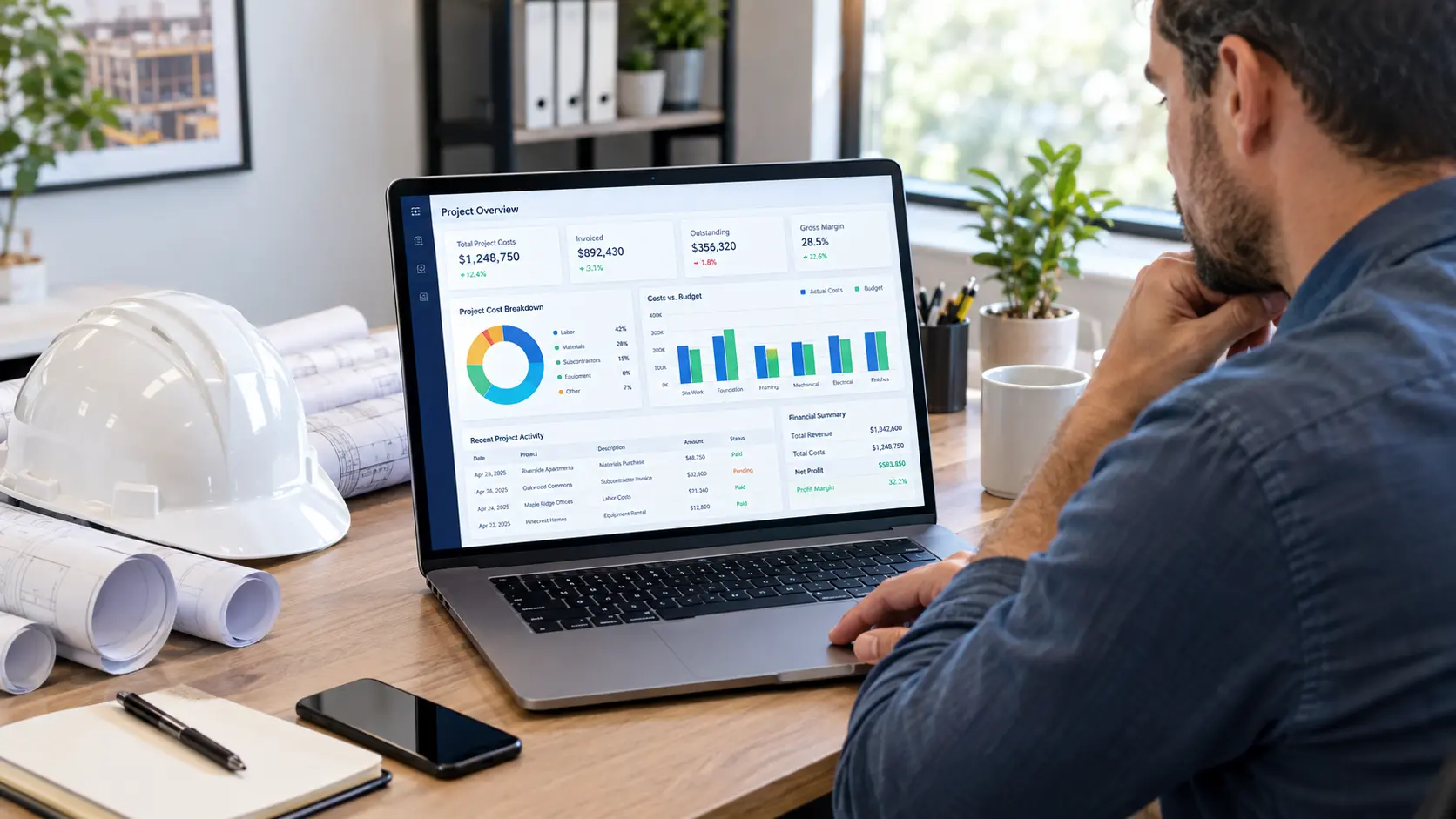
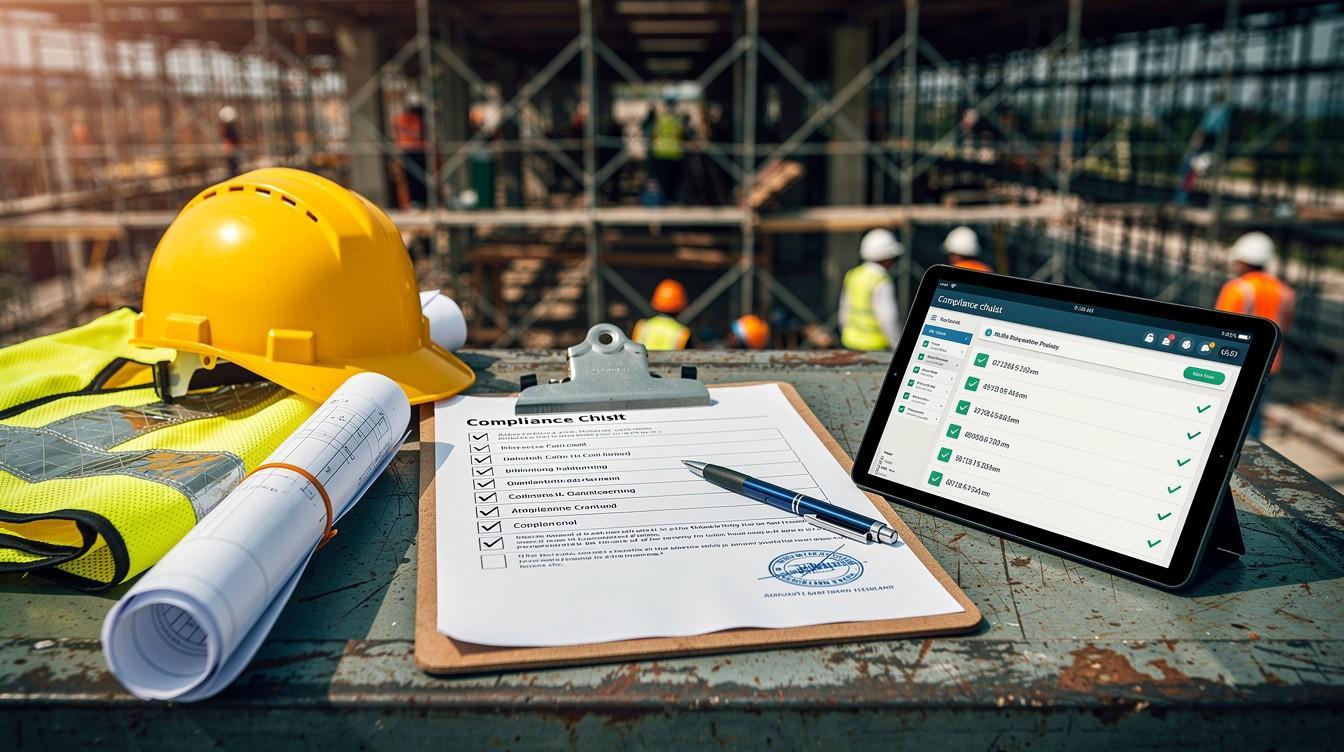
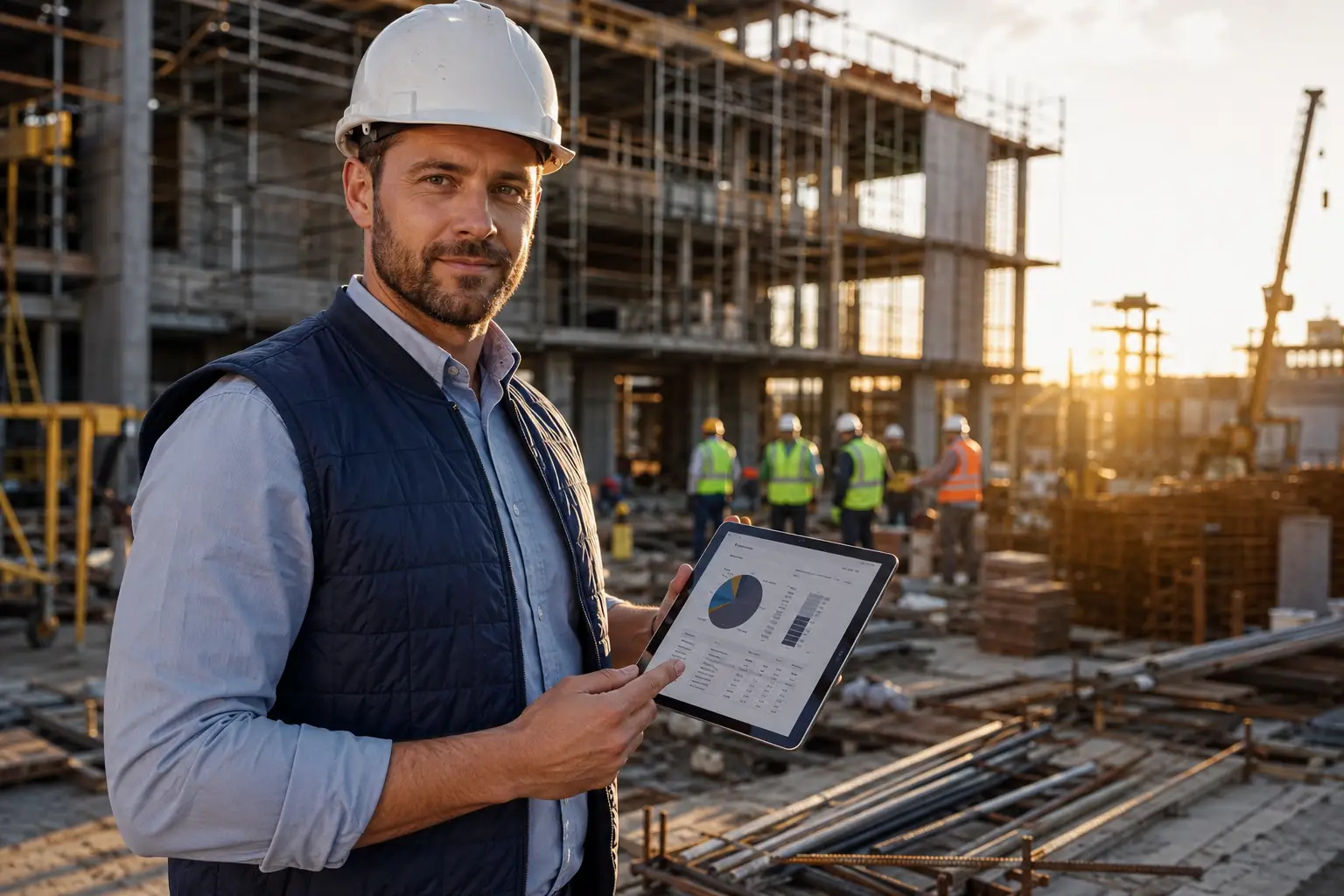
Real-time dashboards then surface what matters most: budget versus actual spending by project phase, work-in-progress reports showing earned revenue against billed revenue, and cost performance metrics that tell you whether you’re tracking to profit or heading toward loss. Weekly cost reviews using these dashboards catch overspending patterns before they compound into margin erosion. Your crews log time and materials from the job site, not days later from an office desk. Equipment usage, subcontractor dayworks, and material receipts get recorded immediately, keeping project costs current and preventing the information delays that historically plague construction accounting.
Establish Clear Ownership and Data Discipline
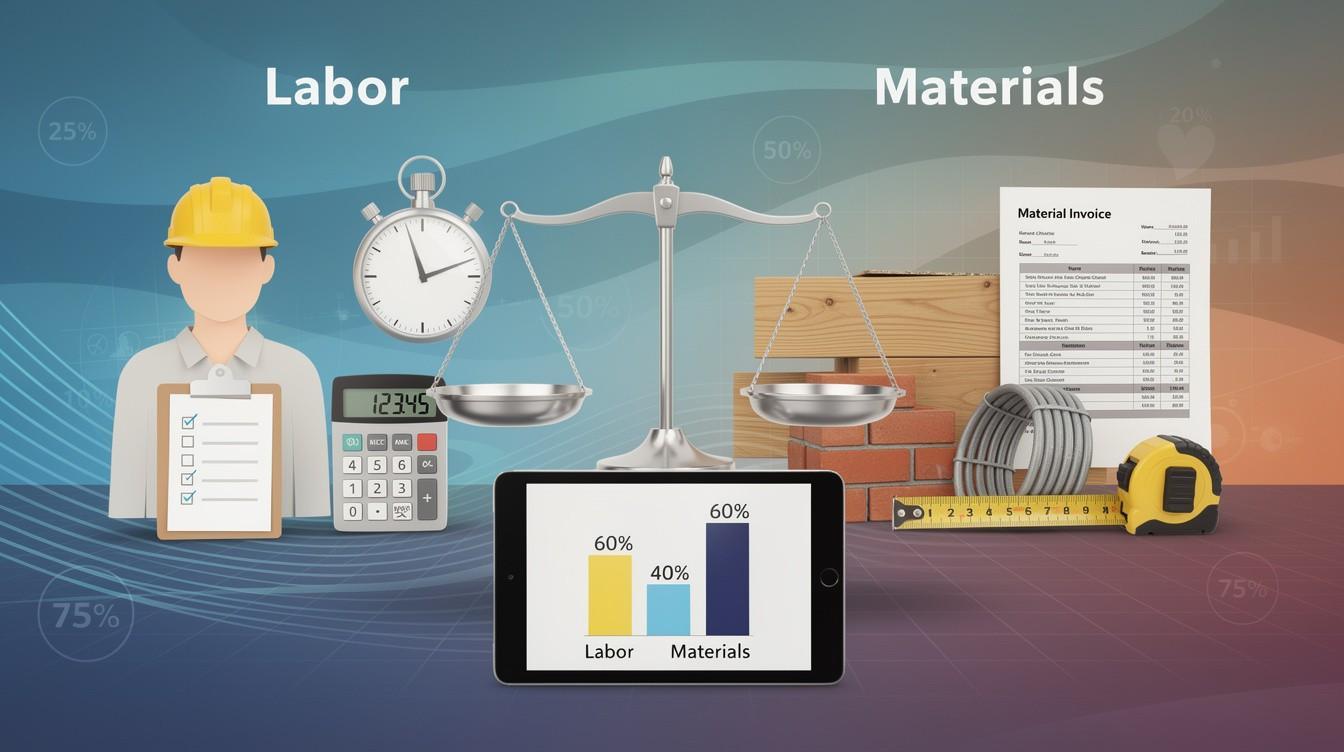
Setup requires three practical steps. First, restructure your chart of accounts around project-based cost codes that mirror how you actually manage jobs: separate codes for labor, materials, equipment, and overhead so you can see spending by category in real time. Second, establish clear ownership: project managers own budget monitoring, field teams own time and expense entry, finance owns approvals and reconciliation, and executives own variance decisions. Third, enforce discipline in data entry from day one-garbage in produces garbage out, and even the best software cannot fix corrupted cost data. Train your teams on consistent coding, timely submission of expenses, and the importance of accuracy.
Once live, your system becomes the single source of truth for costs, replacing the email threads and spreadsheet fragments that previously consumed hours and generated errors. You gain the ability to spot budget problems mid-project when you can still respond, adjust bids on future work based on actual historical costs instead of estimates, and make staffing and procurement decisions backed by current data rather than assumptions. With real-time visibility in place, the next step is learning how to act on the insights your system reveals-turning cost data into smarter decisions that protect your margins and strengthen your competitive position.
How Real-Time Data Changes Your Spending Decisions
Real-time cost visibility forces a fundamental shift in how construction managers respond to budget pressure. Instead of discovering a $50,000 overage at month-end when the money is already gone, you spot the problem mid-project when you still have options. A project manager reviews the dashboard on Wednesday and sees labor costs running 18% over budget on the foundation phase. She immediately knows whether this reflects a scheduling delay, inefficient crew allocation, or a scope change that wasn’t properly documented. She can adjust staffing on the next phase, renegotiate subcontractor rates before committing to more work, or escalate a legitimate change order to the client with real numbers backing the request. This early intervention separates contractors who protect margins from those who discover problems too late. Firms that moved to real-time job costing reported roughly 14% higher profitability compared to those relying on spreadsheets and month-end reconciliation. That improvement comes directly from catching spending patterns early enough to act.
Bid Future Work With Actual Numbers
Accurate historical cost data transforms how you estimate new projects. Most contractors bid based on industry benchmarks or gut instinct because their own cost records are incomplete or unreliable. A project manager remembers that a similar job cost more than expected but cannot recall exactly why or by how much. Without concrete data, estimates become inflated guesses padded with contingency reserves that erode competitiveness, or they become optimistic underestimates that guarantee loss. Real-time job costing creates a detailed record of what labor actually cost per hour on different project types, what materials ran on similar jobs, what equipment time was necessary, and what overhead allocation proved accurate. When you bid the next foundation job, you pull actual data from the last three foundation jobs: labor hours per square foot, material waste percentages, equipment rental days, and subcontractor daywork rates. You compare estimated costs against actual costs and adjust your assumptions before submitting the bid. This precision eliminates the estimation error that historically kills margins on new projects.
Identify Which Projects Actually Make Money
Project-level profitability dashboards reveal which phases, job types, or service lines actually generate profit and which ones drain it. Most contractors cannot answer which of their five concurrent projects is most profitable without waiting for month-end accounting reports. Real-time dashboards show cost performance by project phase: excavation, framing, MEP rough-in, finishing. You see that your excavation phase consistently runs 8% under budget while finishing consistently runs 12% over. This pattern tells you something about your crew efficiency, estimating accuracy, or scope management in those phases. You can reallocate resources from finishing work to excavation where your crews perform better, or you can investigate why finishing consistently overruns and address the root cause (staffing, material sourcing, or design changes).
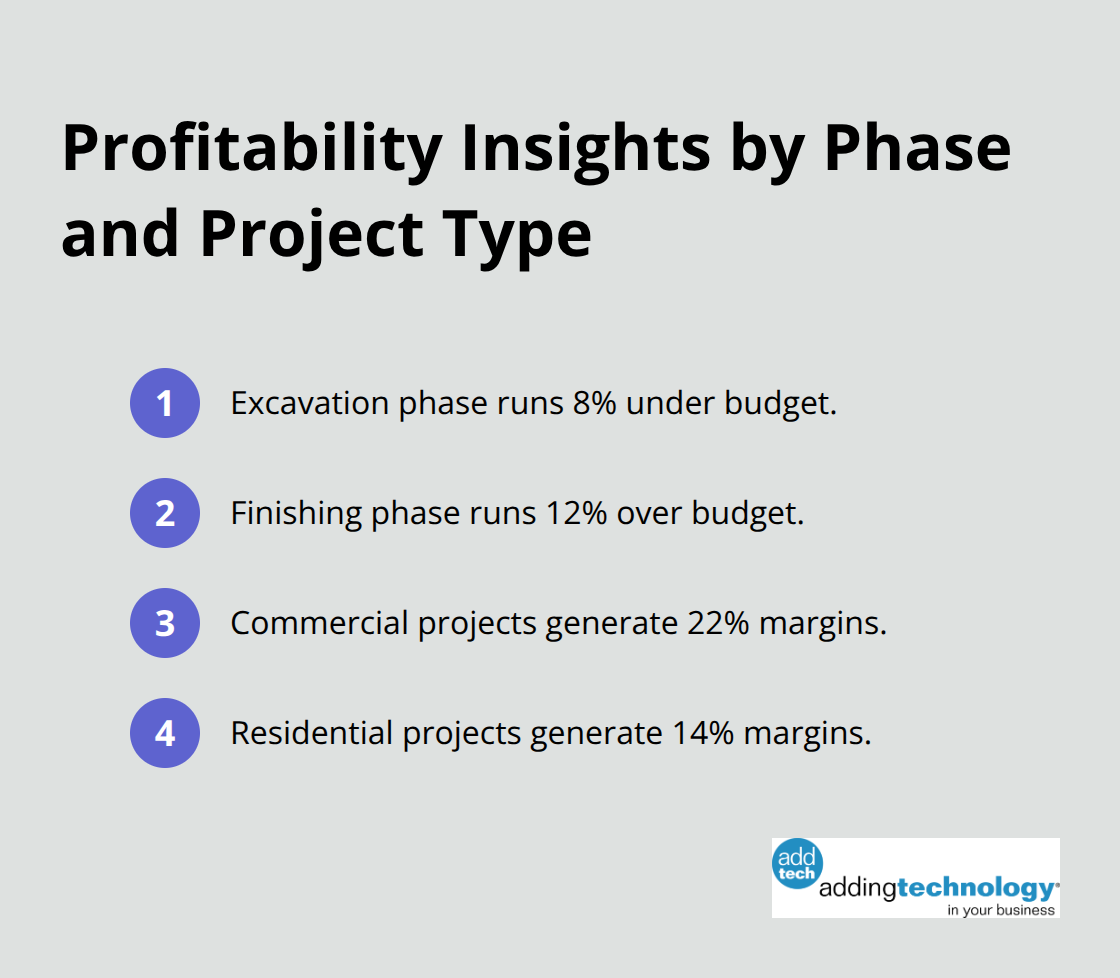
You see that commercial projects generate 22% margins while residential projects generate only 14%. This insight shapes which projects you pursue and how aggressively you bid. Without this visibility, you chase volume instead of profit and wonder why higher revenue does not translate to higher earnings.
Final Thoughts
Real-time project cost visibility transforms how contractors operate and respond to financial challenges. You stop reacting to surprises and start making decisions backed on current data. The shift from spreadsheets to integrated job costing systems eliminates delays, reduces errors, and surfaces the insights that protect your margins before problems compound into losses.
Contractors who implement real-time cost tracking report significantly higher profitability because they catch budget overruns early, bid future work with actual historical data, and identify which projects and phases generate real profit. Your project managers make faster decisions, your finance team spends less time chasing invoices and more time analyzing performance, and your crews understand the importance of accurate time and expense entry because they see the data feeding directly into project dashboards. As your business scales across more concurrent projects, manual tracking becomes impossible-real-time visibility becomes essential.
We at adding technology help construction companies establish these financial foundations through streamlined accounting systems, real-time job costing, and technology integration tailored to how you actually work. Our approach provides personalized solutions that enhance operational efficiency and give you the visibility you need to protect your margins and grow sustainably.