
Construction Tax Planning: Minimize Liabilities, Maximize Cash Flow
Optimize your construction tax planning strategy to reduce liabilities and improve cash flow. Learn actionable tactics for contractors.

Running a construction business consists of much more than completing projects and managing crews. Contractors also face a wide range of financial responsibilities with costs, from purchasing equipment to maintaining work vehicles. The good news is that many of these costs may qualify as tax deductions when they are properly tracked and documented. Understanding the most common construction tax deductions can help reduce taxable income and allow you to keep more of your hard-earned profits.
Below are several deductions construction business owners should be aware of:
Excavators, loaders, compressors, generators, power tools, etc. These purchases are often deductible.
Depending on the cost and the tax strategy used, equipment may be:
Trucks, vans, and other vehicles used to travel between job sites, transport tools, and pick up materials. These vehicle costs may be deductible.
Potential deductions include:
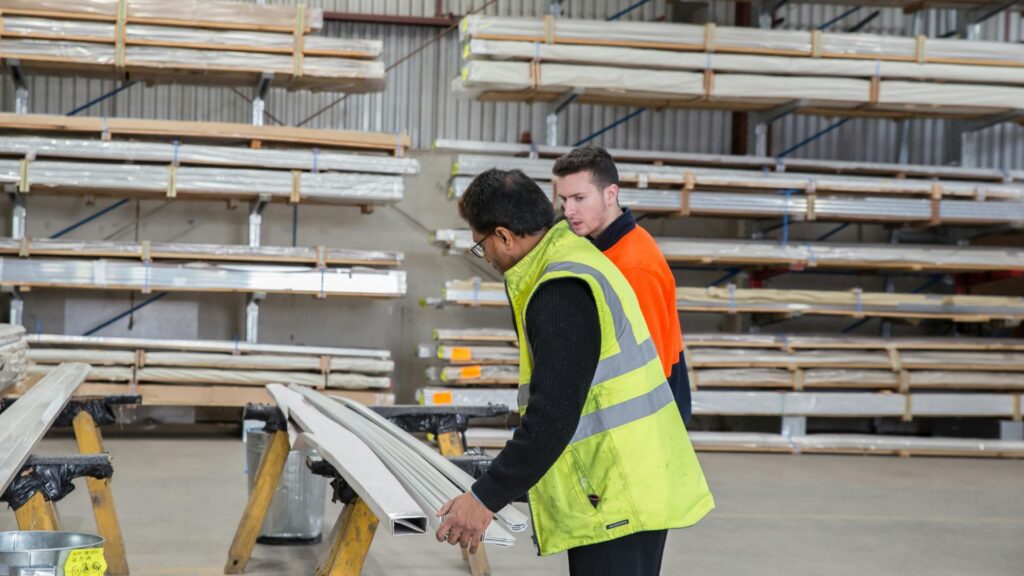
Materials used for construction projects are typically deductible as a business expense. This includes items such as:
Many construction businesses hire subcontractors for specialized tasks such as electrical work, plumbing, framing, or roofing. Payments made to subcontractors are generally deductible business expenses.
It is important for contractors to:
Construction companies often carry several types of insurance, all of which may be deductible business expenses. These can include:

Many construction company owners handle scheduling, accounting, and project management from a home office. If a portion of the home is used regularly and exclusively for business, it may qualify for a home office deduction.
Eligible expenses may include:
Contractors often purchase smaller tools such as drills, saws, ladders, and measuring devices. These are typically deductible in the year purchased if they fall below certain cost thresholds.
Keeping organized receipts and purchase records is important to properly claim these deductions.
Construction professionals often need to maintain licenses or complete continuing education. These costs are usually deductible.
Examples include:
Even majority field-based construction companies incur office costs. Common deductible administrative expenses include:

Construction business owners can also reduce taxes through retirement planning. Contributions to retirement plans such as a SEP IRA or Solo 401(k) may be deductible while helping build long-term financial security.
Tax deductions can make a significant difference in the profitability of a construction business. However, claiming them correctly requires proper documentation, accurate bookkeeping, and an understanding of current tax regulations.
If you want to ensure you are maximizing your tax savings, we are happy to help!
~ the addtech crew
*The information provided in this blog post is for general informational purposes only and does not constitute accounting, tax, financial, or legal advice. It is not intended as a substitute for professional consultation tailored to your specific circumstances.*











At adding technology, we know you want to focus on what you do best as a contractor. In order to do that, you need a proactive back office crew who has financial expertise in your industry.
The problem is that managing and understanding key financial compliance details for your business is a distraction when you want to spend your time focused on building your business (and our collective future).
We understand that there is an art to what contractors do, and financial worries can disrupt the creative process and quality of work. We know that many contractors struggle with messy books, lack of realtime financial visibility, and the stress of compliance issues. These challenges can lead to frustration, overwhelm, and fear that distracts from their core business.
That's where we come in. We're not just accountants; we're part of your crew. We renovate your books, implement cutting-edge technology, and provide you with the real-time job costing and financial insights you need to make informed decisions. Our services are designed to give you peace of mind, allowing you to focus on what you do best - creating and building.
Here’s how we do it:
Schedule a conversation today, and in the meantime, download the Contractor’s Blueprint for Financial Success: A Step by-Step Guide to Maximizing Profits in Construction.” So you can stop worrying about accounting, technology, and compliance details and be free to hammer out success in the field.