Financial Controls for Builders: Strengthening Governance
Strengthen your construction company with financial controls for builders. Learn governance best practices to prevent fraud and improve accountability.

Most businesses bleed money without realizing where it goes. At adding technology, we’ve seen companies waste thousands monthly simply because they lack visibility into their spending patterns and financial position.
Budget and financial management isn’t about cutting corners-it’s about making smarter decisions with the resources you have. This blog post walks you through the exact steps to audit your finances, build a realistic budget, and adjust it in real time based on what actually happens.
Collect every financial document from the past twelve months: bank statements, credit card bills, invoices, receipts, and payroll records. Most businesses operate without a complete picture of where cash actually moves. You need to see the full story before you can fix anything. Spend a full day categorizing every transaction into groups like materials, labor, equipment, overhead, and miscellaneous costs. This work reveals patterns that explain why your margins shrink or why certain projects drain resources faster than others.
Look specifically for recurring charges you’ve forgotten about, duplicate payments, or services you no longer use. Companies typically find unnecessary spending within their first audit, according to construction accounting practices. That’s real money sitting on the table. When you categorize properly, inefficiencies surface that a casual review would miss. Focus on transactions that repeat monthly or quarterly-these often hide the biggest opportunities for savings.
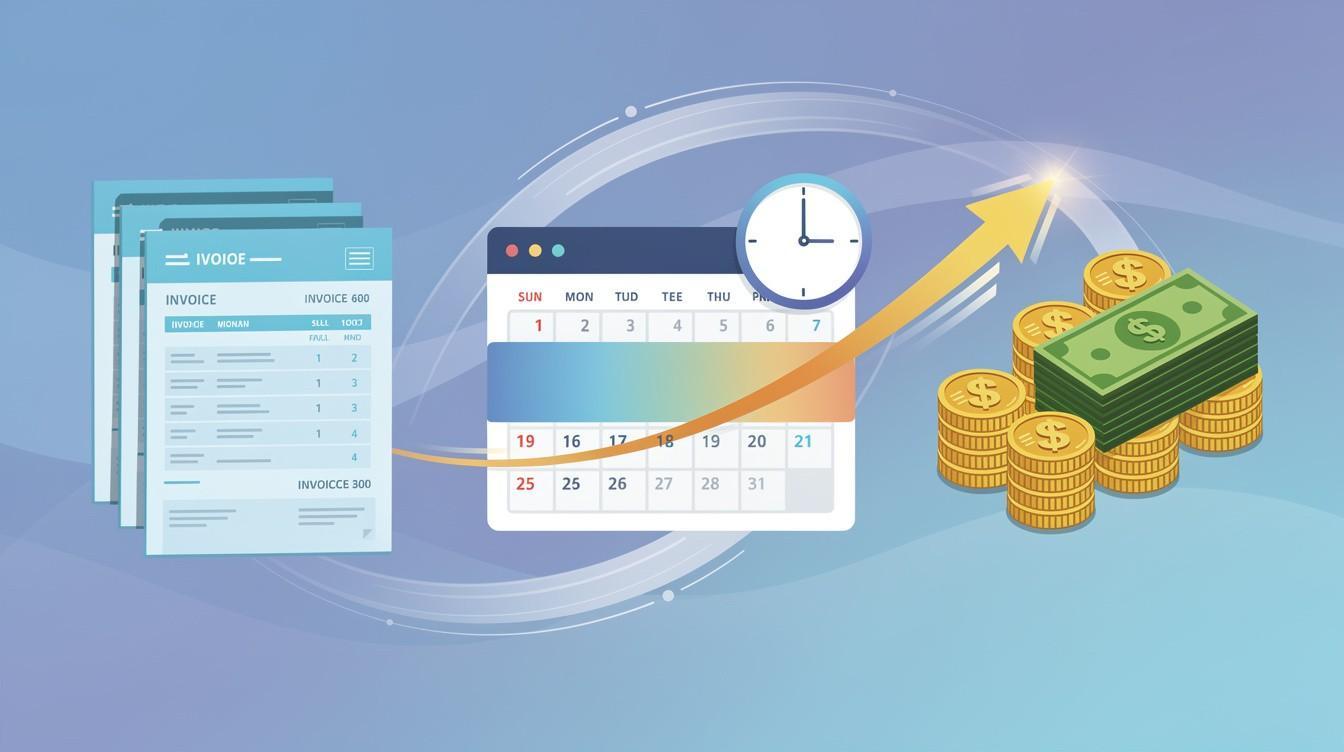
Cash flow problems kill businesses that are technically profitable. Your income statement might show a healthy profit, but if money doesn’t arrive when you need to pay suppliers or payroll, you’re in trouble. Track when invoices go out and when payments actually arrive. Track when you pay your bills and suppliers. Most construction companies operate on net-30 payment terms, meaning you might wait 30 days for payment while paying suppliers in 14 days. That gap creates cash shortages that force unnecessary borrowing.
Look at your bank statements month by month and identify the points where your cash balance dips lowest. These bottlenecks reveal where timing mismatches happen. If you consistently run short in specific months, that’s not random. Seasonal projects, quarterly tax payments, or equipment purchases create predictable cash drains. Knowing this lets you plan ahead instead of scrambling.
Spending patterns reveal inefficiencies that a single month won’t show. Pull six to twelve months of data and calculate your average spending in each category. Then look at the range. If your materials cost varies wildly month to month for similar projects, you have a procurement problem or inconsistent project scope. If labor costs spike unpredictably, you might have scheduling inefficiencies or scope creep on jobs.
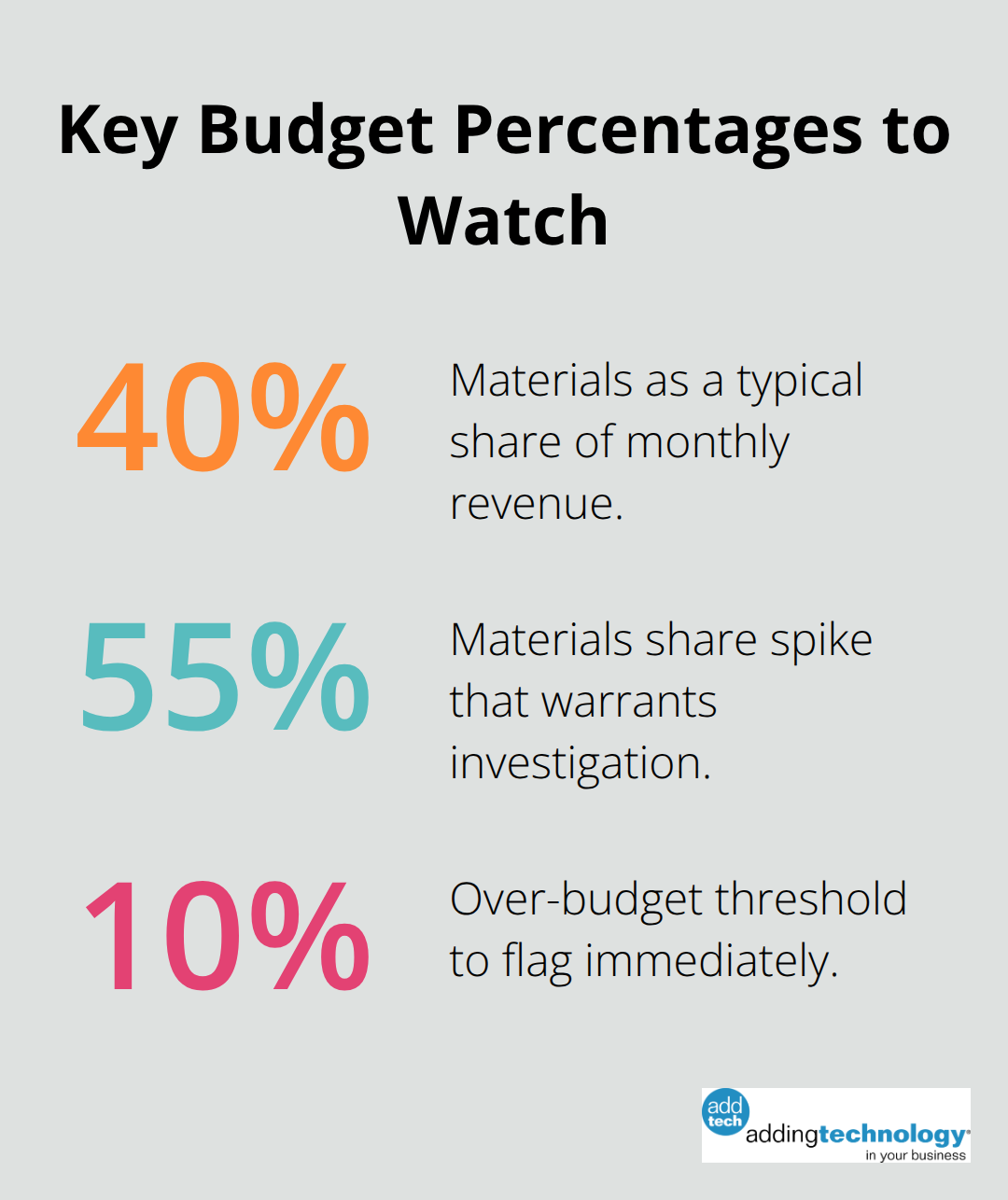
Compare spending as a percentage of revenue across months. If materials typically represent 40 percent of revenue but hit 55 percent in one month, investigate why. Was it a different project type, supplier pricing, or waste? Identify your top five cost drivers and focus there first.
These typically account for 70 to 80 percent of total spending. Fixing issues in your top cost categories delivers faster results than optimizing everything equally. Document any costs that seem out of proportion to the work completed-that’s where money leaks.
Once you understand what’s actually happening with your money, you’re ready to build a realistic budget framework that turns this insight into action.
Your financial audit revealed where money goes. Now you build a budget that turns that knowledge into a workable plan. The mistake most construction companies make is building budgets from historical averages without asking what should actually happen. We recommend starting with your strategic goals and working backward to the specific dollar amounts each project and department needs.
Start with what financial success looks like for your business over the next twelve months. Success isn’t vague-it means hitting a specific profit margin, completing projects within predetermined cost ranges, maintaining a minimum cash reserve, or reducing material waste by a measurable percentage. Once you know what winning looks like, assign dollar targets to each priority. If your goal is a 15 percent net profit margin and your projected revenue is $500,000, you need to limit total costs to $425,000. That becomes your spending ceiling.
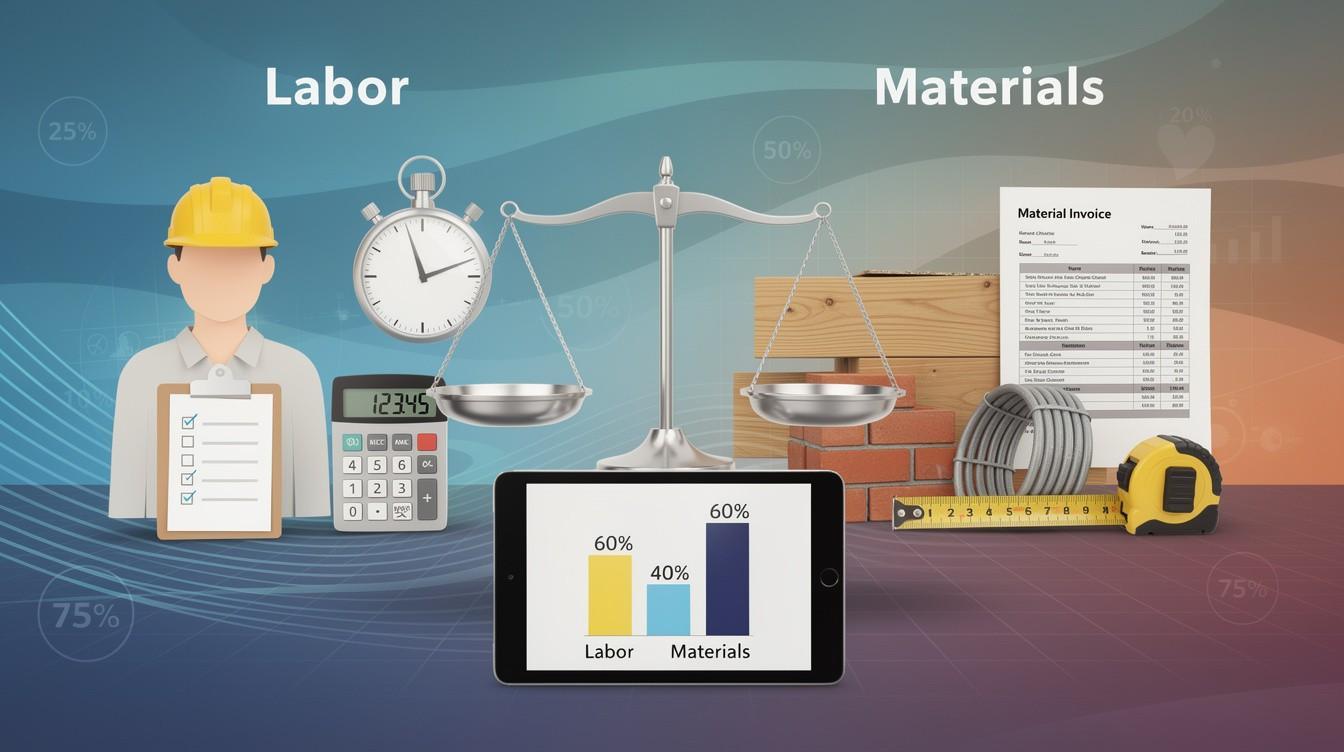
Now allocate that ceiling across your actual operations. How much goes to labor, materials, subcontractors, equipment, and overhead? Most construction companies allocate approximately 30 to 40 percent of revenue to labor, 25 to 35 percent to materials, 10 to 15 percent to overhead, and the remainder to profit and contingencies.
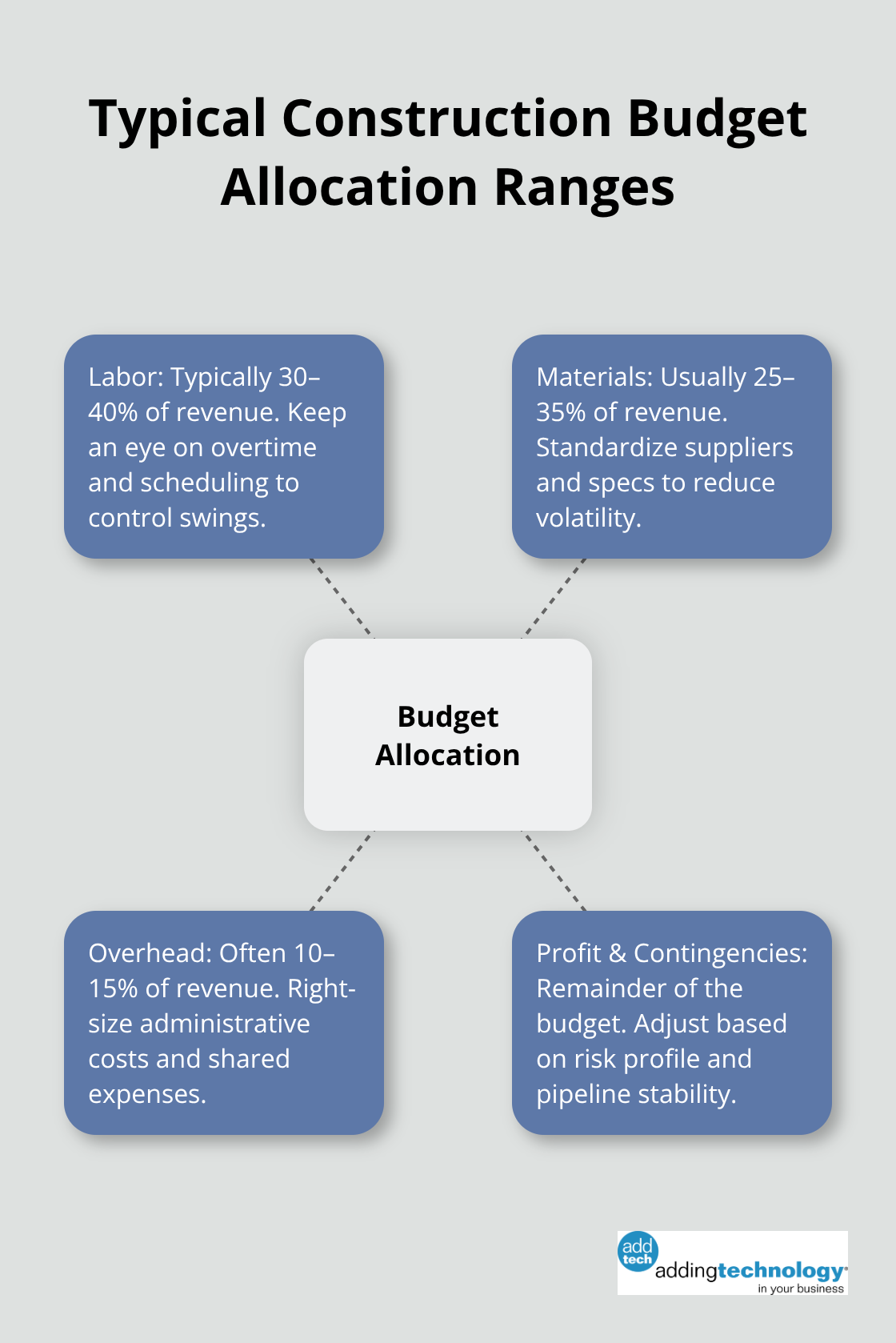
Your allocation depends on your specific project mix and operational model, but these ranges provide a realistic starting point.
Break each category further. Within materials, specify spending for concrete, lumber, electrical supplies, or whatever drives your costs. Within labor, separate productive crew hours from administrative time. This level of detail prevents the common problem where budgets stay too broad to be useful. A good budget helps you accurately price jobs so you aren’t working for free and identify where your money actually goes.
Allocate resources to your highest-priority projects first. If you’re bidding on a large commercial job that will consume 40 percent of your capacity for six months, that project gets resources allocated before smaller maintenance work. Priority-based allocation forces you to make real choices instead of pretending you can do everything without trade-offs.
Build contingency reserves into every project and your overall budget, but be specific about what they cover. A blanket contingency on every job wastes money because it doesn’t distinguish between low-risk and high-risk work. New construction in established neighborhoods with known suppliers and clear scope deserves a smaller contingency than renovation work where you might encounter hidden structural problems. Allocate a 5 to 10 percent range based on the project’s level of risk. Document what each contingency covers so money stays available for actual problems instead of becoming a slush fund.
Your overall company budget should also include a reserve covering two to three months of operating expenses. Construction work fluctuates seasonally and by project flow. That reserve keeps you solvent when cash flow gaps occur. Set aside this reserve before you allocate profit, not after you see what’s left over.
With your budget framework in place and resources allocated strategically, the real work begins-tracking what actually happens against what you planned and adjusting quickly when reality diverges from projections.
Pull your actual spending every Monday morning and compare it to your budgeted amounts across every major category. If materials were budgeted at $8,000 for the week and you’ve already spent $9,200 by Wednesday, you have a problem that needs immediate investigation. Most construction companies wait until month-end to review finances, which means they’ve already overspent by thousands before taking action. A simple spreadsheet or accounting software dashboard shows current week spending versus budget in real time. Flag any category running more than 10 percent over budget immediately. That threshold catches real problems without creating noise from minor fluctuations.
When a variance appears, document why it happened. Did a supplier raise prices? Did a project scope expand? Did you use more labor hours than estimated?
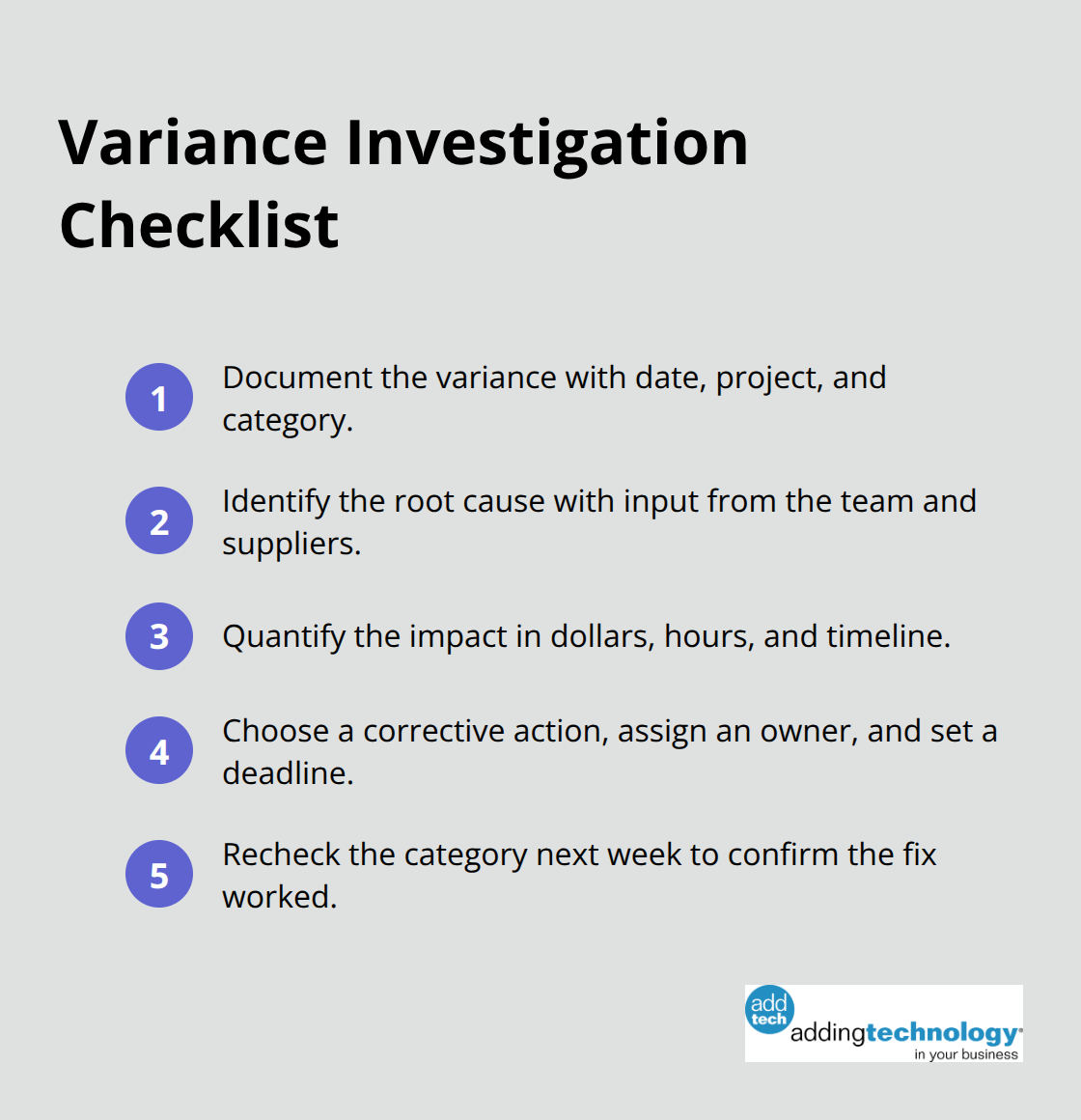
Understanding the cause matters because different causes require different fixes. A supplier price increase might mean renegotiating contracts or finding alternatives, while excess labor hours might indicate scheduling problems or inefficient crew assignments. This investigation transforms raw numbers into actionable insights.
Job costing reveals which projects actually make money and which ones drain resources despite looking profitable on paper. Calculate the total cost for each active project weekly, not monthly. This includes direct labor hours at your actual wage rates, materials consumed, equipment costs, and the project’s share of overhead. Compare this total cost to the revenue recognized so far. If a $50,000 job has consumed $35,000 in costs but only generated $30,000 in revenue, you’re heading toward a loss. Early detection means you can still adjust by reducing scope, improving efficiency, or negotiating change orders.
Construction companies that track job profitability monthly often discover losses only after projects finish, when correcting course becomes impossible. Your accounting software should calculate job costs automatically if configured properly, pulling labor from timesheets and materials from purchase orders. If it doesn’t, create a manual calculation at least weekly for your largest projects.
When variances emerge between budget and actual spending, decide whether to adjust the project budget, change how you’re executing the work, or accept the variance if it’s temporary. Not every variance requires action. A material delivery that was scheduled for week three but arrived in week four creates a timing variance that self-corrects. A supplier price increase that affects multiple projects requires either acceptance or contract renegotiation. Scope creep that adds 15 hours of unbudgeted labor demands immediate conversation with the client about change orders or requires absorbing the cost (depending on your contract terms and client relationship). The key is making these decisions consciously rather than discovering cost overruns after work finishes.
Financial control requires action, not hope. Your audit reveals where money actually goes, your budget translates that knowledge into targets, and weekly tracking keeps you accountable to those targets. Companies that skip the audit phase build budgets on assumptions rather than facts, which guarantees they’ll miss their targets. Companies that build budgets without tracking weekly spend discover problems too late to fix them.
Start your financial audit this week by gathering bank statements, invoices, and payroll records from the past year. Categorize every transaction and identify your cash flow bottlenecks and top five cost drivers. This work takes a day or two but reveals more about your business than months of casual observation. Once you see where money actually goes, building a realistic budget becomes straightforward because you work with real numbers instead of guesses.
After your audit, implement weekly spending reviews and pull your actual costs every Monday to compare them against budget. Flag variances above 10 percent and investigate immediately, then calculate job profitability weekly for your active projects. If managing these processes feels overwhelming or your current accounting system doesn’t provide the visibility you need, Adding Technology streamlines financial processes for construction companies through real-time job costing and integrated technology so you see your financial position clearly without the administrative burden.










At adding technology, we know you want to focus on what you do best as a contractor. In order to do that, you need a proactive back office crew who has financial expertise in your industry.
The problem is that managing and understanding key financial compliance details for your business is a distraction when you want to spend your time focused on building your business (and our collective future).
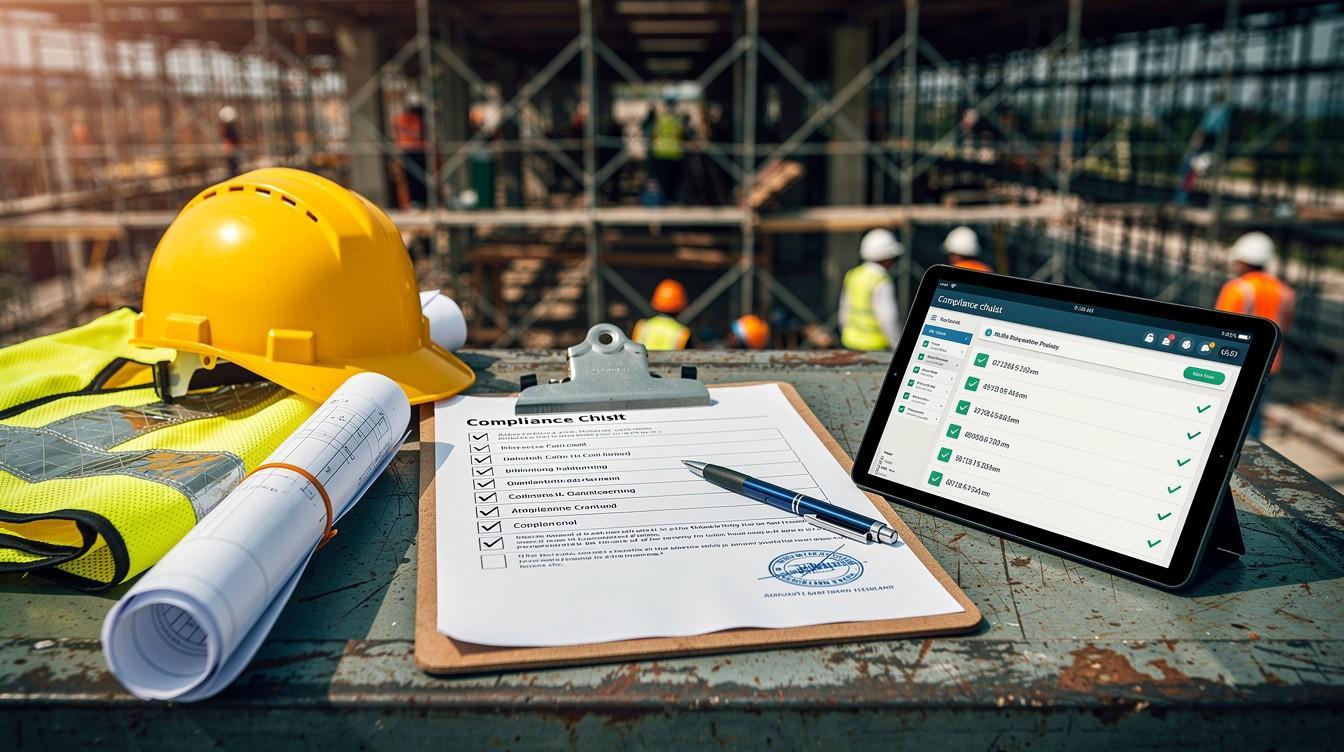
We understand that there is an art to what contractors do, and financial worries can disrupt the creative process and quality of work. We know that many contractors struggle with messy books, lack of realtime financial visibility, and the stress of compliance issues. These challenges can lead to frustration, overwhelm, and fear that distracts from their core business.
That's where we come in. We're not just accountants; we're part of your crew. We renovate your books, implement cutting-edge technology, and provide you with the real-time job costing and financial insights you need to make informed decisions. Our services are designed to give you peace of mind, allowing you to focus on what you do best - creating and building.
Here’s how we do it:
Schedule a conversation today, and in the meantime, download the Contractor’s Blueprint for Financial Success: A Step by-Step Guide to Maximizing Profits in Construction.” So you can stop worrying about accounting, technology, and compliance details and be free to hammer out success in the field.